Forecast
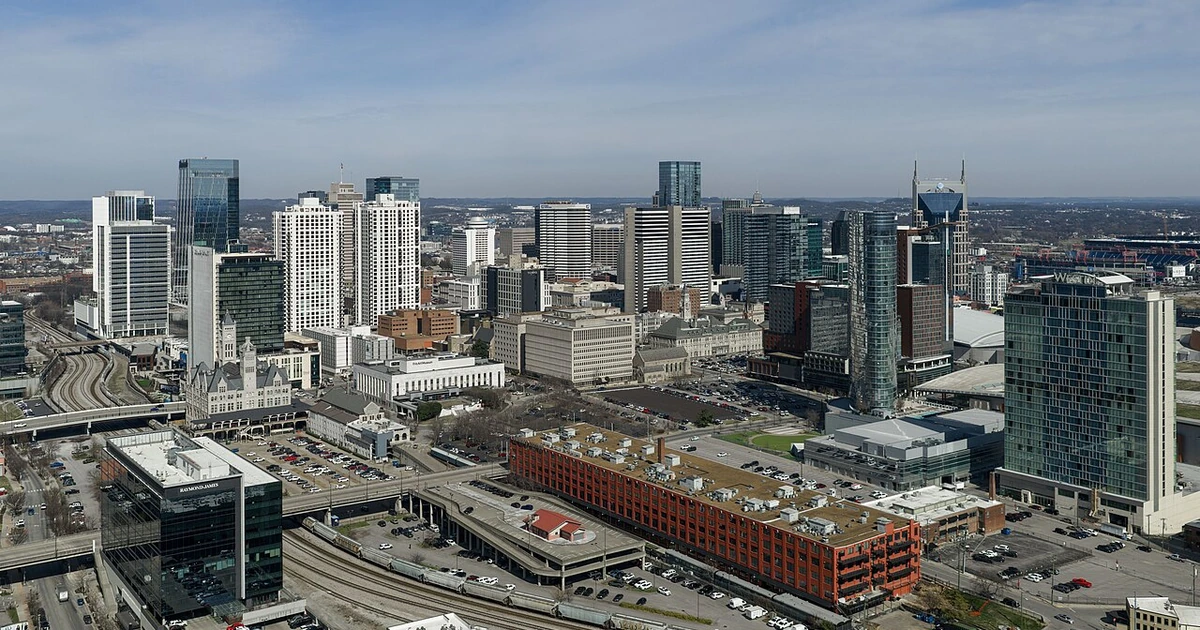
Nashville
Local time--:--
America/ChicagoWeather Forecast
Nashville, USAOpen-Meteo forecast.
Nashville city overview
tba

Worth seeing
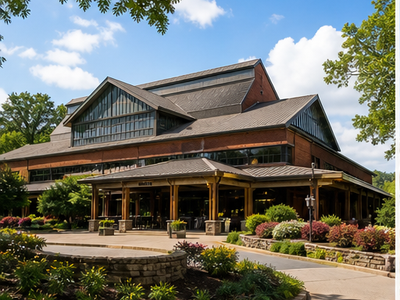
Grand Ole Opry
Grand Ole Opry is a named stop in Nashville worth keeping on the route when it fits the day's transport, timing and neighborhood plan.
View on map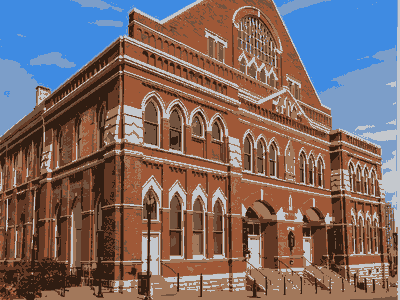
Ryman Auditorium
Ryman Auditorium is a named stop in Nashville worth keeping on the route when it fits the day's transport, timing and neighborhood plan.
View on map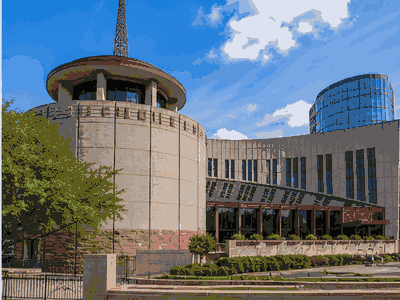
Broadway Nashville
Broadway Nashville is a named stop in Nashville worth keeping on the route when it fits the day's transport, timing and neighborhood plan.
View on map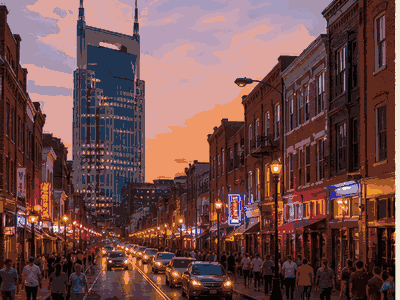
Country Music Hall of Fame
Country Music Hall of Fame is a named stop in Nashville worth keeping on the route when it fits the day's transport, timing and neighborhood plan.
View on map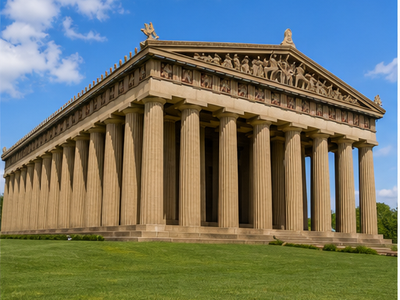
Centennial Park
Centennial Park adds outdoor time to a Nashville stay, with open space, views or waterfront breathing room between denser city sights.
View on map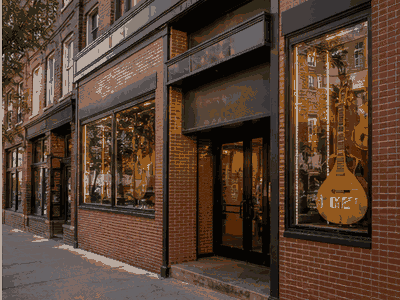
The Gulch
The Gulch is a named stop in Nashville worth keeping on the route when it fits the day's transport, timing and neighborhood plan.
View on mapStay overview
Start with City centre for the easiest first Nashville stay, then compare Old Town and Waterfront when price, nightlife, quieter evenings or transfer timing matter more than being beside every major sight.
Hotels & areas
Nashville hotel choice is mostly about repeat journeys: use City centre for sightseeing, Old Town for a different local base, and Waterfront or Airport area when views, parking, airport timing or longer stays matter.
City centre
City centre is the most practical first base in Nashville, keeping main sights, restaurants and short local transfers close.
Best for: first visits, sightseeing, restaurantsSee hotel optionsOld Town
Old Town is the most practical first base in Nashville, keeping main sights, restaurants and short local transfers close.
Best for: first visits, sightseeing, restaurantsSee hotel optionsWaterfront
Waterfront suits travellers who want views, evening walks and a calmer base while still keeping central Nashville reachable.
Best for: views, quieter evenings, walksSee hotel optionsAirport area
Airport area works mainly for early departures, late arrivals or car pickup, not for a first Nashville sightseeing base.
Best for: early flights, late arrivals, car pickupSee hotel optionsFlights & airports
Nashville International Airport (BNA) arrival plan
- Nashville International Airport (BNA)About 11 km from the centre
Compare airport access against hotel location, arrival time, rental car pickup, late flights and onward driving before choosing the first night base.
Rental cars
Nashville day-trip car use
Do not rent a car for central Nashville unless parking and traffic are part of the plan; use one mainly for regional day trips.
Compare rental carsTravel tips
Best base
Choose City centre for a first stay because it keeps main sights, restaurants and practical local movement close.
Airport timing
Leave extra time for Nashville International Airport, especially for early flights, late arrivals, traffic or unfamiliar transfer routes.
Local movement
Plan each day in clusters around Nashville and Nashville so transfers do not consume the best sightseeing hours.
Day trips
Keep one flexible slot for nearby routes from Nashville, checking weather, transport and opening hours before committing.
Nearby ideas
Town · about 35 min · car south on I-65
Franklin
A preserved main street and the Carnton plantation used as a field hospital after the 1864 battle.
View on mapNature · about 40 min · car south-west to the double-arch bridge
Natchez Trace Parkway
A 710-kilometre parkway on an old trade route, with no trucks and no billboards.
View on mapNature · about 1 h 15 min · car north on I-65 into Kentucky
Mammoth Cave National Park
The longest cave system known, with 676 kilometres mapped and tours from easy to crawling.
View on mapCity history
18th and 19th centuries In 1689, French-Canadian trader Martin Chartier established a trading post on the Cumberland River, near the present-day site of the city.
In 1714, a group of French traders under the command of Charles Charleville established a settlement and trading post at the present location of downtown Nashville, which became known as French Lick.
In 1779, a settling party organized by Judge Richard Henderson, led by explorers James Robertson and John Donelson of Overmountain Men, traveled to the site of French Lick, and constructed Fort Nashborough.
In 1806, Nashville was incorporated as a city and became the county seat of Davidson County, Tennessee.
In 1843, the city was named as the permanent capital of the state of Tennessee.
In February 1862, Nashville became the first Confederate state capital to fall to U.S. troops, and the state was occupied by the U.S.
In 1868, three years after the end of the Civil War, the Nashville chapter of the Ku Klux Klan was founded by Confederate veteran John W.
In 1873, Nashville suffered another cholera epidemic, along with towns throughout Sumner County along railroad routes and the Cumberland River.
In 1894, the first chapter of United Daughters of the Confederacy was founded in the city, and it hosted the first two conventions of the organization.
His election platform focused on improving transportation, and became a 2024 referendum called Choose How You Move.
These settlers quickly established an extensive fur trading network with the local Native Americans, but by the 1740s the settlement had largely been abandoned.
Nashville quickly grew because of its strategic location as a port on the Cumberland River, a tributary of the Ohio River; and its later status as a major railroad center.
For years, Nashville was considered one of the wealthiest southern capitals and a large portion of its prominence was from the iron business.
The city's significance as a shipping port and rail center made it a desirable prize for competing military forces that wanted to control the region's important river and railroad transportation routes.