Forecast
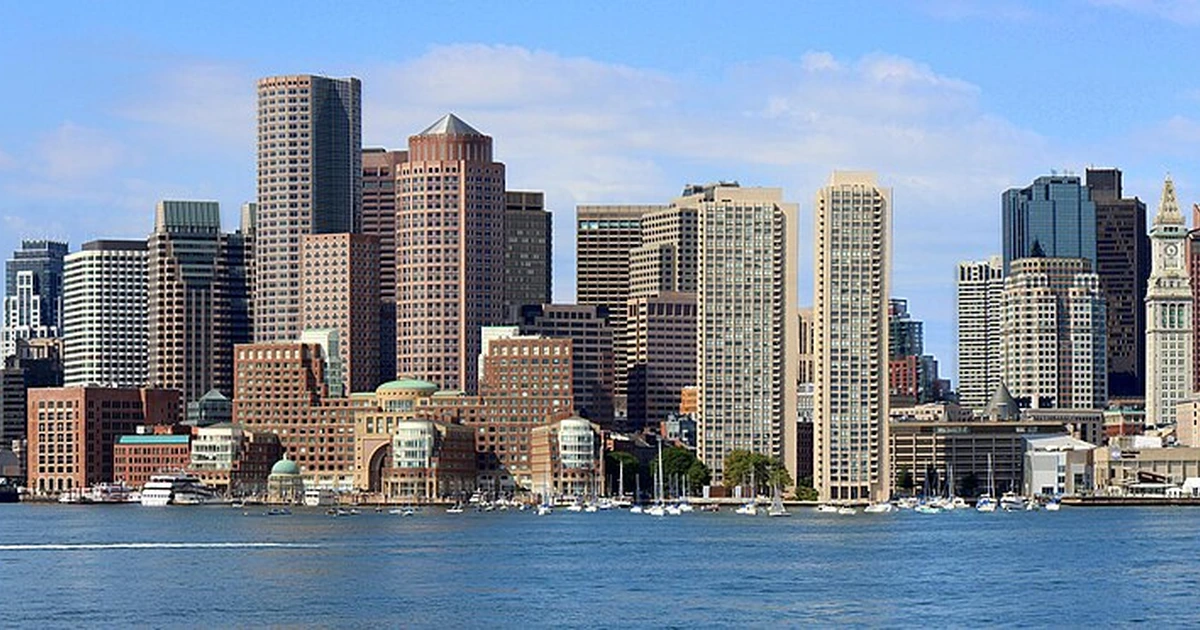
Boston
Local time--:--
America/New_YorkWeather Forecast
Boston, USAOpen-Meteo forecast.
Boston city overview
tba

Worth seeing
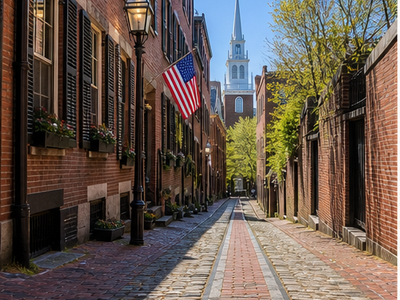
Freedom Trail
Freedom Trail is a named stop in Boston worth keeping on the route when it fits the day's transport, timing and neighborhood plan.
View on map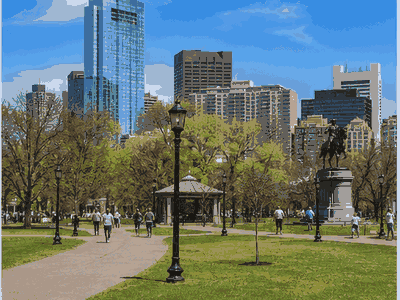
Boston Common
Boston Common is a named stop in Boston worth keeping on the route when it fits the day's transport, timing and neighborhood plan.
View on map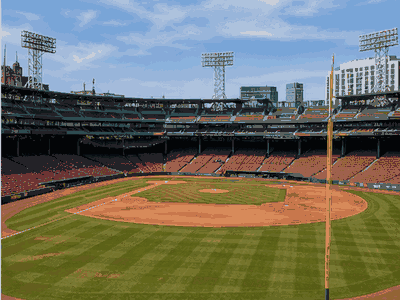
Fenway Park
Fenway Park adds outdoor time to a Boston stay, with open space, views or waterfront breathing room between denser city sights.
View on map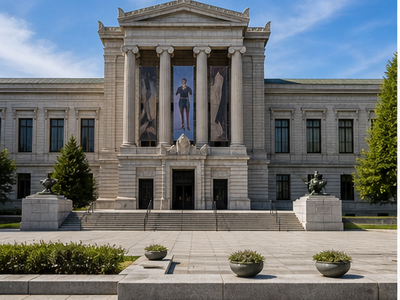
Museum of Fine Arts Boston
Museum of Fine Arts Boston is a key Boston culture stop, useful for understanding local history, collections and rainy-day planning near the main sightseeing route.
View on map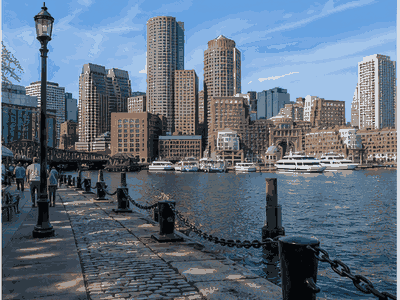
North End
North End is a named stop in Boston worth keeping on the route when it fits the day's transport, timing and neighborhood plan.
View on map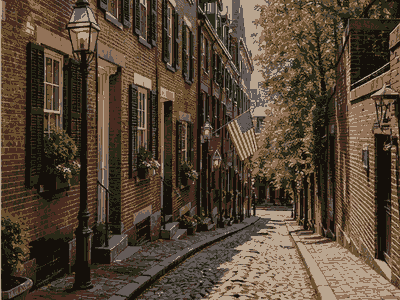
Boston Harbor
Boston Harbor adds the water-facing side of Boston, making it a good break from museums, traffic and dense historic streets.
View on mapStay overview
Start with City centre for the easiest first Boston stay, then compare Old Town and Waterfront when price, nightlife, quieter evenings or transfer timing matter more than being beside every major sight.
Hotels & areas
Boston hotel choice is mostly about repeat journeys: use City centre for sightseeing, Old Town for a different local base, and Waterfront or Airport area when views, parking, airport timing or longer stays matter.
City centre
City centre is the most practical first base in Boston, keeping main sights, restaurants and short local transfers close.
Best for: first visits, sightseeing, restaurantsSee hotel optionsOld Town
Old Town is the most practical first base in Boston, keeping main sights, restaurants and short local transfers close.
Best for: first visits, sightseeing, restaurantsSee hotel optionsWaterfront
Waterfront suits travellers who want views, evening walks and a calmer base while still keeping central Boston reachable.
Best for: views, quieter evenings, walksSee hotel optionsAirport area
Airport area works mainly for early departures, late arrivals or car pickup, not for a first Boston sightseeing base.
Best for: early flights, late arrivals, car pickupSee hotel optionsFlights & airports
Boston Logan International Airport (BOS) arrival plan
- Boston Logan International Airport (BOS)About 4 km from the centre
Compare airport access against hotel location, arrival time, rental car pickup, late flights and onward driving before choosing the first night base.
- Rhode Island T. F. Green International Airport (PVD)About 77 km from the centre
Compare airport access against hotel location, arrival time, rental car pickup, late flights and onward driving before choosing the first night base.
Rental cars
Boston day-trip car use
Do not rent a car for central Boston unless parking and traffic are part of the plan; use one mainly for regional day trips.
Compare rental carsTravel tips
Best base
Choose City centre for a first stay because it keeps main sights, restaurants and practical local movement close.
Airport timing
Leave extra time for Boston Logan, especially for early flights, late arrivals, traffic or unfamiliar transfer routes.
Local movement
Plan each day in clusters around Boston and Boston so transfers do not consume the best sightseeing hours.
Day trips
Keep one flexible slot for nearby routes from Boston, checking weather, transport and opening hours before committing.
Nearby ideas
Heritage · about 35 min · MBTA Newburyport/Rockport line from North Station
Salem
The 1692 witch trials told properly at the Peabody Essex Museum, and the whole town given over to October.
View on mapNature · about 45 min · MBTA Fitchburg line from North Station
Concord and Walden Pond
Thoreau's cabin site on a glacial pond you can still swim in, plus the bridge where the revolution started.
View on mapTown · about 1 h · MBTA Rockport line from North Station
Cape Ann and Rockport
A granite fishing coast with the red fish shack painters keep coming back to.
View on mapHeritage · about 1 h · car or MBTA Kingston line south
Plymouth
The 1620 landing site, with a replica Mayflower moored and a living-history Pilgrim village.
View on map

City history
Archaeological excavations have unearthed one of the oldest fishweirs in New England, located on Boylston Street, which Native people constructed as early as 7,000 years before European arrival in the Western Hemisphere. European settlement.
Puritan influence on Boston began even before the settlement was founded with the 1629 Cambridge Agreement, which created the Massachusetts Bay Colony and was signed by the colony's first governor, John Winthrop.
Isaac Johnson—in one of his last official acts as leader of the Charlestown community before his death on September 30, 1630—named the new settlement across the river "Boston" after Johnson's hometown of Boston, Lincolnshire.
In 1635, America's first public school, Boston Latin School, was founded in Boston.
In 1770, during the Boston Massacre, British troops fired into a Boston mob that was protesting their presence.
In May 1773, Parliament passed the Tea Act, which many colonists saw as a British attempt to compel them to accept taxes established by the Townshend Acts.
On June 14, 1775, in an effort to unify the Revolutionary War effort, the Second Continental Congress, convening in the colonial-era capital of Philadelphia, founded the Continental Army and unanimously appointed George Washington as.
After the British retreat, Washington was so impressed with the effort of Rufus Putnam that he appointed him as his chief engineer. Post-revolution and the War of 1812 After the Revolution, Boston's long seafaring.
In 1822, the citizens of Boston voted to change the official name from the "Town of Boston" to the "City of Boston", and on March 19, 1822, the people of Boston accepted the charter.
Logan International Airport opened on September 8, 1923.
Manufacturing became an important component of the city's economy, and the city's industrial manufacturing overtook international trade in economic importance by the mid-19th century.
By the early- to mid-20th century, Boston declined economically as factories became old and obsolete and businesses moved out of the region for cheaper labor elsewhere.
Boston's oceanfront location made it a lively port, and the town engaged in shipping and fishing during the colonial era.
A young officer, Rufus Putnam, came up with a plan to make portable fortifications out of wood, which were erected on the frozen ground under cover of darkness.