Forecast
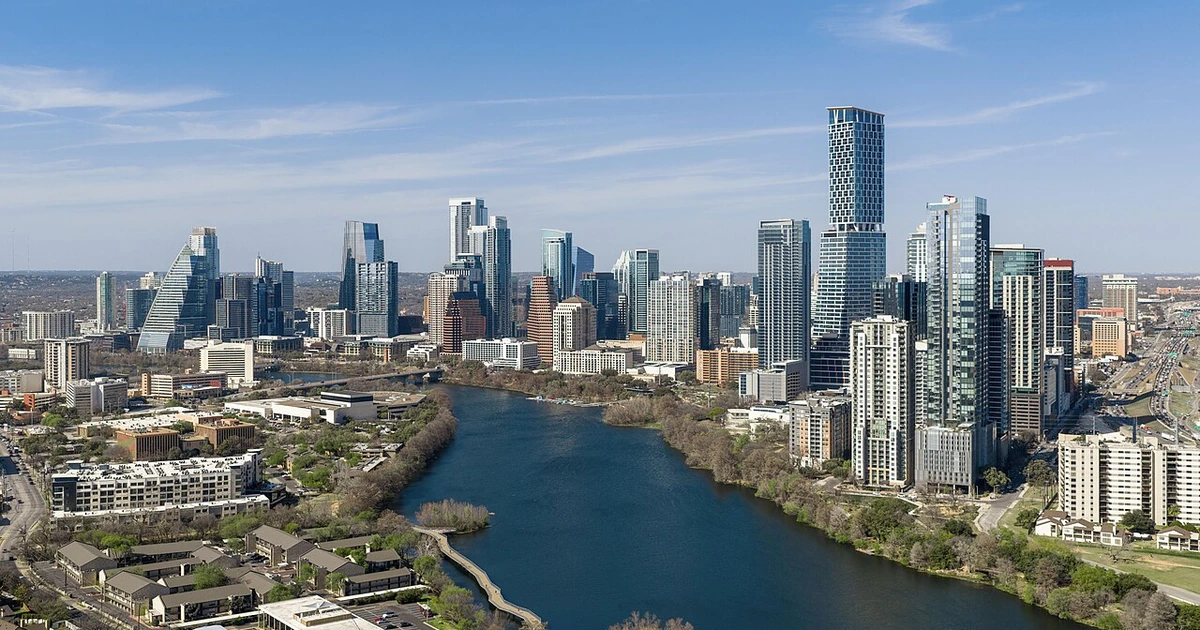
Austin
Local time--:--
America/ChicagoWeather Forecast
Austin, USAOpen-Meteo forecast.
Austin city overview
tba
Worth seeing
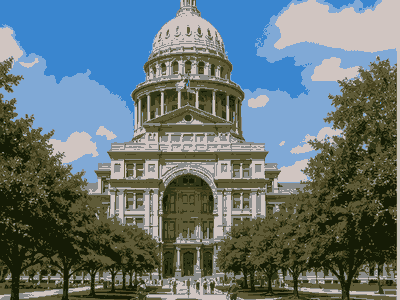
Texas State Capitol
Texas State Capitol is a named stop in Austin worth keeping on the route when it fits the day's transport, timing and neighborhood plan.
View on map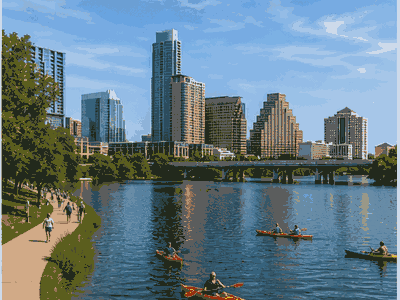
Lady Bird Lake
Lady Bird Lake adds outdoor time to a Austin stay, with open space, views or waterfront breathing room between denser city sights.
View on map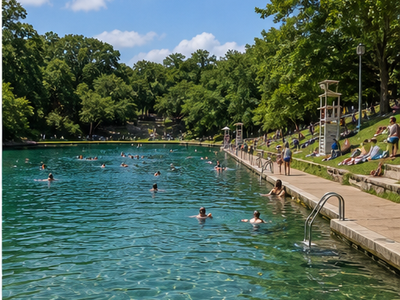
South Congress Avenue
South Congress Avenue is a named stop in Austin worth keeping on the route when it fits the day's transport, timing and neighborhood plan.
View on map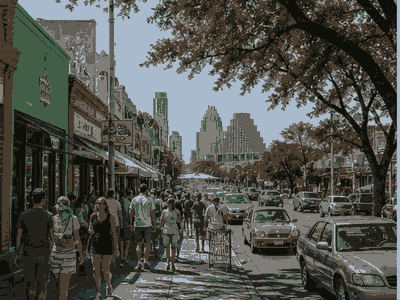
Barton Springs Pool
Barton Springs Pool gives Austin a strong culture stop for museums, exhibitions or local collections, and works best as an indoor anchor in the day's route.
View on map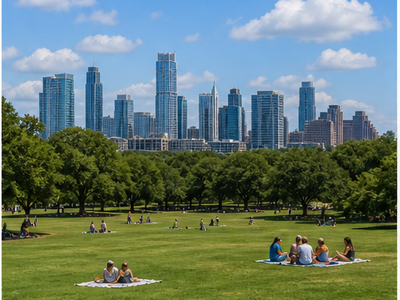
Zilker Park
Zilker Park adds outdoor time to a Austin stay, with open space, views or waterfront breathing room between denser city sights.
View on map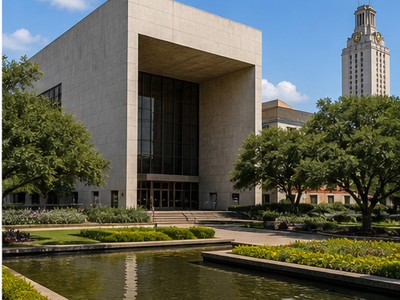
Rainey Street
Rainey Street is a named stop in Austin worth keeping on the route when it fits the day's transport, timing and neighborhood plan.
View on mapStay overview
Start with City centre for the easiest first Austin stay, then compare Old Town and Waterfront when price, nightlife, quieter evenings or transfer timing matter more than being beside every major sight.
Hotels & areas
Austin hotel choice is mostly about repeat journeys: use City centre for sightseeing, Old Town for a different local base, and Waterfront or Airport area when views, parking, airport timing or longer stays matter.
City centre
City centre is the most practical first base in Austin, keeping main sights, restaurants and short local transfers close.
Best for: first visits, sightseeing, restaurantsSee hotel optionsOld Town
Old Town is the most practical first base in Austin, keeping main sights, restaurants and short local transfers close.
Best for: first visits, sightseeing, restaurantsSee hotel optionsWaterfront
Waterfront suits travellers who want views, evening walks and a calmer base while still keeping central Austin reachable.
Best for: views, quieter evenings, walksSee hotel optionsAirport area
Airport area works mainly for early departures, late arrivals or car pickup, not for a first Austin sightseeing base.
Best for: early flights, late arrivals, car pickupSee hotel optionsFlights & airports
Austin Bergstrom International Airport (AUS) arrival plan
- Austin Bergstrom International Airport (AUS)About 11 km from the centre
Compare airport access against hotel location, arrival time, rental car pickup, late flights and onward driving before choosing the first night base.
- Killeen Regional Airport / Robert Gray Army Airfield (GRK)About 89 km from the centre
Compare airport access against hotel location, arrival time, rental car pickup, late flights and onward driving before choosing the first night base.
Rental cars
Austin day-trip car use
Do not rent a car for central Austin unless parking and traffic are part of the plan; use one mainly for regional day trips.
Compare rental carsTravel tips
Best base
Choose City centre for a first stay because it keeps main sights, restaurants and practical local movement close.
Airport timing
Leave extra time for Austin International Airport, especially for early flights, late arrivals, traffic or unfamiliar transfer routes.
Local movement
Plan each day in clusters around Austin and Austin so transfers do not consume the best sightseeing hours.
Day trips
Keep one flexible slot for nearby routes from Austin, checking weather, transport and opening hours before committing.
Nearby ideas
Nature · about 45 min · car west on Highway 71 and Hamilton Pool Road
Hamilton Pool Preserve
A collapsed grotto with a fifteen-metre waterfall into a jade pool; entry is by advance reservation only.
View on mapWine · about 1 h 15 min · car west on US-290
Fredericksburg
A German settler town on the Texas wine road, with peach stands through the summer.
View on mapNature · about 50 min · car west to Johnson City
Pedernales Falls State Park
The river steps down layered limestone; wading is allowed downstream, not at the falls.
View on mapNature · about 45 min · car or Amtrak south on I-35
San Marcos
Float the spring-fed river on a tube, or see the headwaters by glass-bottom boat.
View on mapUpcoming events

City history
In 1730, three Catholic missions from East Texas were combined and reestablished as one mission on the south side of the Colorado River, in what is now Zilker Park, in Austin.
In 1839, the Texas Congress formed a commission to seek a site for the new capital of the Republic of Texas to replace Houston.
The opening of the Houston and Texas Central Railway (H&TC) in 1871 turned Austin into the major trading center for the region, with the ability to transport both cotton and cattle.
In 1940, the destroyed granite dam on the Colorado River was finally replaced by a hollow concrete dam that formed Lake McDonald (now called Lake Austin) and which has withstood all floods since.
The city grew throughout the 19th century and became a center for government and education with the construction of the Texas State Capitol and the University of Texas at Austin.
However, as other new railroads were built through the region in the 1870s, Austin began to lose its primacy in trade to the surrounding communities.
Following the mid-20th century, Austin became established as one of Texas' major metropolitan centers.
Spanish colonists traveled through the area, though few permanent settlements were created for some time.
Spanish forts were established in what are now Bastrop and San Marcos.
Following Mexico's independence, new settlements were established in Central Texas.
Black communities such as Wheatville, Pleasant Hill, and Clarksville were established, with Clarksville being the oldest surviving freedomtown ‒ the original post-Civil War settlements founded by former African-American slaves ‒ west of the Mississippi.
The same year, Tillotson Collegiate and Normal Institute (now part of Huston–Tillotson University) opened its doors.
In addition, the state legislature established the Lower Colorado River Authority (LCRA) that, along with the city of Austin, created the system of dams along the Colorado River to form the Highland Lakes.
In addition, the much larger Mansfield Dam was built by the LCRA upstream of Austin to form Lake Travis, a flood-control reservoir.