Forecast
Port of Spain
Local time--:--
America/Port_of_SpainWeather Forecast
Port of Spain, Trinidad and TobagoOpen-Meteo forecast.
Port of Spain city overview
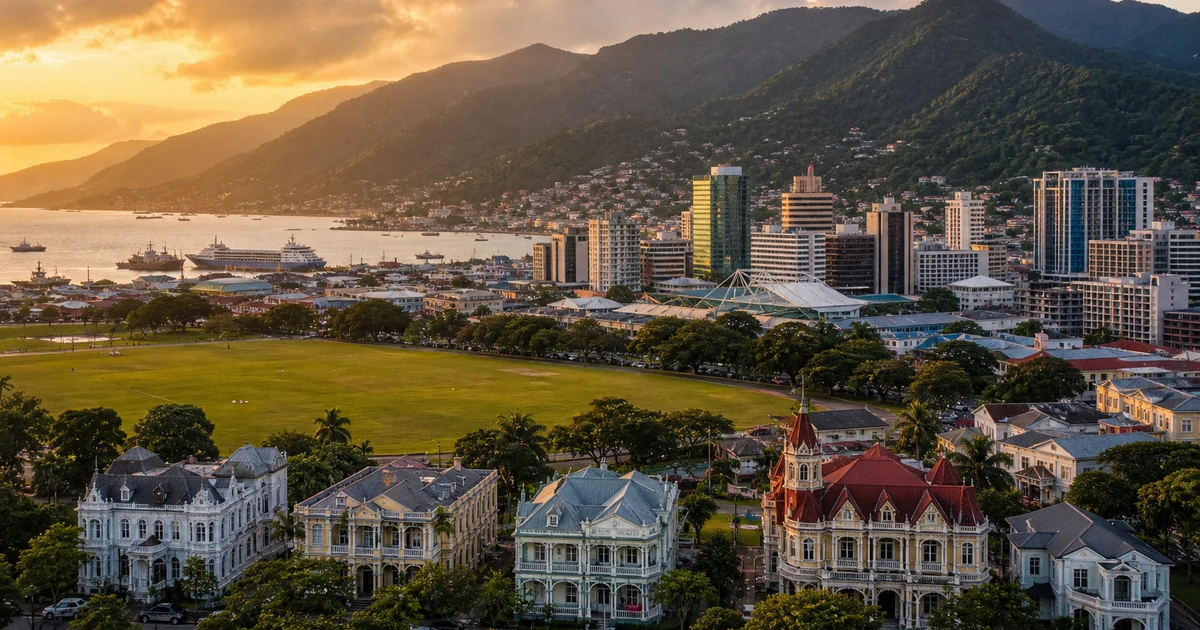
Port of Spain works best as a base in Trinidad and Tobago when you anchor days around Queen's Park Savannah, National Museum and Art Gallery Trinidad and Royal Botanic Gardens Trinidad. Use those sights to understand the city's history, street life and visitor rhythm. Piarco International Airport handles the main arrival flow, so hotel choice should balance the centre, transfer time and day-trip plans.
Worth seeing
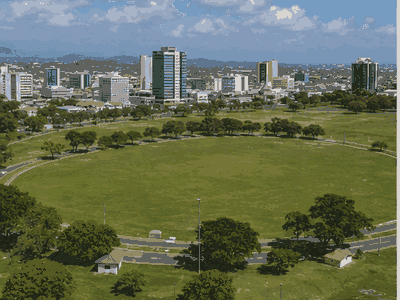
Queen's Park Savannah
Queen's Park Savannah adds outdoor time to a Port of Spain stay, with open space, views or waterfront breathing room between denser city sights.
View on map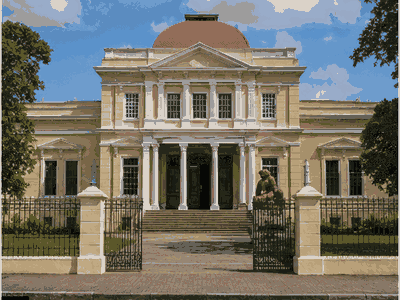
National Museum and Art Gallery Trinidad
National Museum and Art Gallery Trinidad is a key Port of Spain culture stop, useful for understanding local history, collections and rainy-day planning near the main sightseeing route.
View on map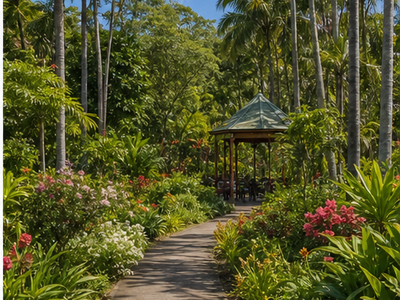
Royal Botanic Gardens Trinidad
Royal Botanic Gardens Trinidad adds outdoor time to a Port of Spain stay, with open space, views or waterfront breathing room between denser city sights.
View on map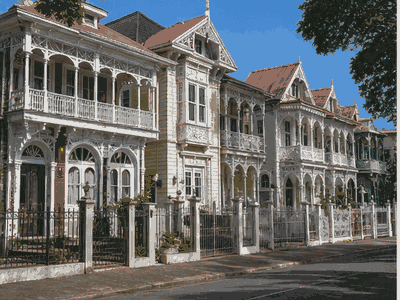
Magnificent Seven Port of Spain
Magnificent Seven Port of Spain adds the water-facing side of Port of Spain, making it a good break from museums, traffic and dense historic streets.
View on map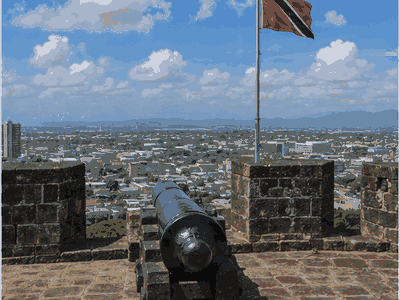
Fort George Trinidad
Fort George Trinidad is a clear heritage marker in Port of Spain, best used as a fixed point when grouping nearby streets, monuments and viewpoints.
View on map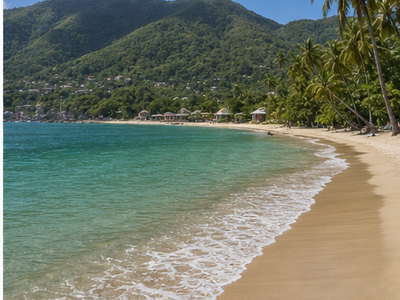
Maracas Bay
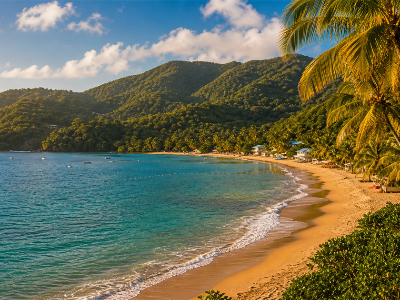
Maracas Bay adds the water-facing side of Port of Spain, making it a good break from museums, traffic and dense historic streets.
View on mapStay overview
Start with City centre for the easiest first Port of Spain stay, then compare Old Town and Waterfront when price, nightlife, quieter evenings or transfer timing matter more than being beside every major sight.
Hotels & areas
Port of Spain hotel choice is mostly about repeat journeys: use City centre for sightseeing, Old Town for a different local base, and Waterfront or Airport area when views, parking, airport timing or longer stays matter.
City centre
City centre is the most practical first base in Port of Spain, keeping main sights, restaurants and short local transfers close.
Best for: first visits, sightseeing, restaurantsSee hotel optionsOld Town
Old Town is the most practical first base in Port of Spain, keeping main sights, restaurants and short local transfers close.
Best for: first visits, sightseeing, restaurantsSee hotel optionsWaterfront
Waterfront suits travellers who want views, evening walks and a calmer base while still keeping central Port of Spain reachable.
Best for: views, quieter evenings, walksSee hotel optionsAirport area
Airport area works mainly for early departures, late arrivals or car pickup, not for a first Port of Spain sightseeing base.
Best for: early flights, late arrivals, car pickupSee hotel optionsFlights & airports
Piarco International Airport (POS) arrival plan
- Piarco International Airport (POS)About 21 km from the centre
Compare airport access against hotel location, arrival time, rental car pickup, late flights and onward driving before choosing the first night base.
- A.N.R. Robinson International Airport (TAB)About 92 km from the centre
Compare airport access against hotel location, arrival time, rental car pickup, late flights and onward driving before choosing the first night base.
Rental cars
Port of Spain day-trip car use
Do not rent a car for central Port of Spain unless parking and traffic are part of the plan; use one mainly for regional day trips.
Compare rental carsTravel tips
Best base
Choose City centre for a first stay because it keeps main sights, restaurants and practical local movement close.
Airport timing
Leave extra time for Piarco International Airport, especially for early flights, late arrivals, traffic or unfamiliar transfer routes.
Local movement
Plan each day in clusters around Queen's Park Savannah and National Museum and Art Gallery Trinidad so transfers do not consume the best sightseeing hours.
Day trips
Keep one flexible slot for nearby routes from Port of Spain, checking weather, transport and opening hours before committing.
Nearby ideas
Nature · about 40 min · car south on the Uriah Butler Highway
Caroni Bird Sanctuary
Scarlet ibis come in to roost at dusk, turning the mangrove islands red.
View on mapNature · about 1 h 15 min · car east then north through Arima
Asa Wright Nature Centre
A former cocoa estate in the Northern Range where hummingbirds come to the verandah.
View on mapCity history
Port of Spain continued to grow in size and importance during the 19th and early 20th centuries, peaking in size in the 1960s at about 100,000 people.
The French naval commander Comte d'Estrées visited in 1680, and reported that there was no Port of Spain.
But in 1690, Spanish governor Don Sebastien de Roteta reported in writing to the King of Spain.
By 1757, the old capital, San José de Oruña (modern Saint Joseph), about 11 kilometres (7 mi) inland, had fallen into disrepair, and Governor Don Pedro de la Moneda transferred his seat to Port.
Ann's River, prone to flooding, was impeding the expansion of the town, Chacón had its course diverted in 1787 so that it ran to the east of the city, along the foot of the.
In 1803, Port of Spain began growing southwards, with the reclamation of the foreshore mudflats, using fill from the Laventille Hills.
Further major reclamation efforts took place in the 1840s, the 1870s, and in 1906.
In 1935, the Deep Water Harbour Scheme dredged the offshore area along Port of Spain's western neighbourhoods.
From 1958 to 1962, Port of Spain was the temporary capital of the West Indies Federation, though there were plans to build a new federal capital at Chaguaramas.
In July 1990, an extremist group held the prime minister and members of parliament hostage for 5 days while rioting and looting shook Port of Spain.
In 2005, there was a series of bombings in Port of Spain that caused injuries to bystanders.
Port of Spain was founded by the Spanish as Puerto España.
The first settlement was near the site of the Amerindian fishing village of Cumucurapo ("place of the silk cotton trees"), located in the area today known as Mucurapo, west of the city centre.
The part of today's downtown Port of Spain closest to the sea was once an area of tidal mudflats covered by mangroves.