Forecast
Tegucigalpa
Local time--:--
America/TegucigalpaWeather Forecast
Tegucigalpa, HondurasOpen-Meteo forecast.
Tegucigalpa city overview
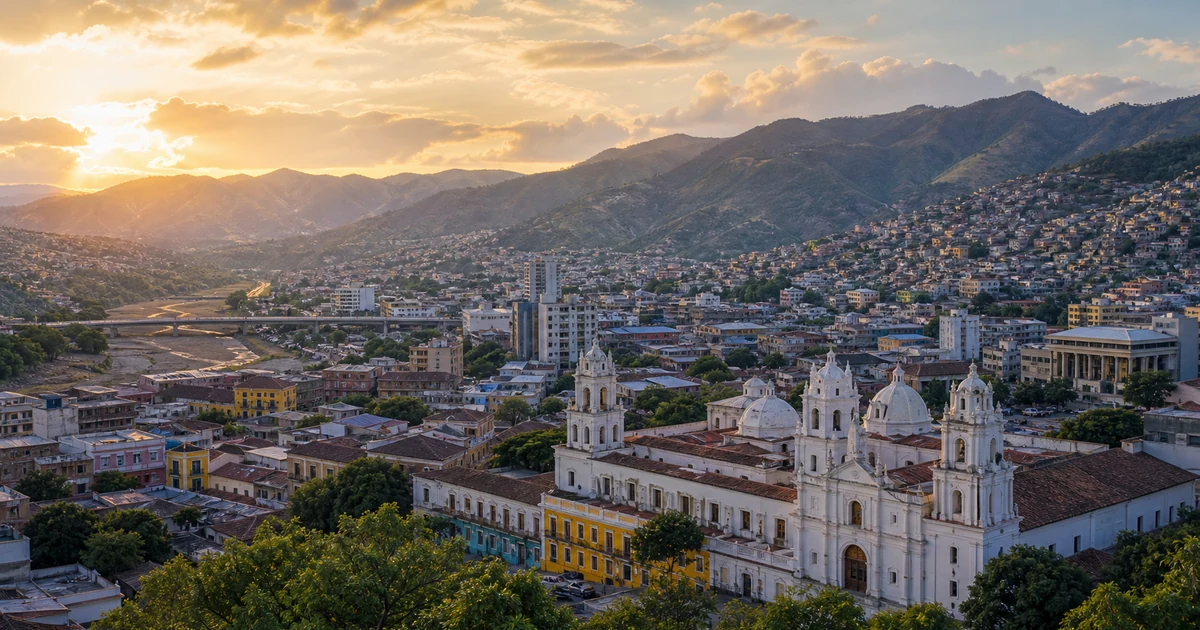
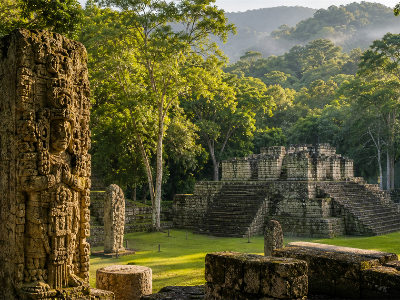
Tegucigalpa works best as a base in Honduras when you anchor days around Parque Central Tegucigalpa, Basilica de Suyapa and Cristo del Picacho. Use those sights to understand the city's history, street life and visitor rhythm. Tegucigalpa International Airport handles the main arrival flow, so hotel choice should balance the centre, transfer time and day-trip plans.
Worth seeing
Parque Central Tegucigalpa
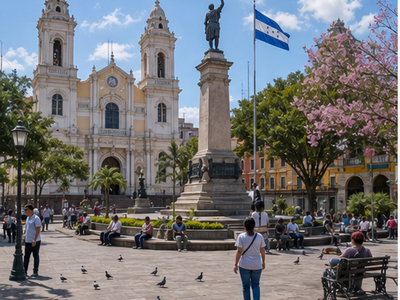
Parque Central Tegucigalpa is a named stop in Tegucigalpa worth keeping on the route when it fits the day's transport, timing and neighborhood plan.
View on map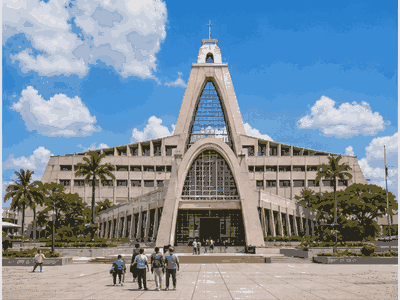
Basilica de Suyapa
Basilica de Suyapa anchors the historic and ceremonial side of Tegucigalpa, making it a practical stop for architecture, local memory and orientation.
View on map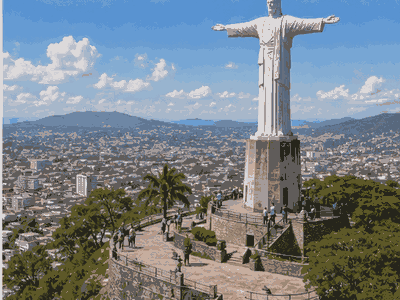
Cristo del Picacho
Cristo del Picacho is a named stop in Tegucigalpa worth keeping on the route when it fits the day's transport, timing and neighborhood plan.
View on map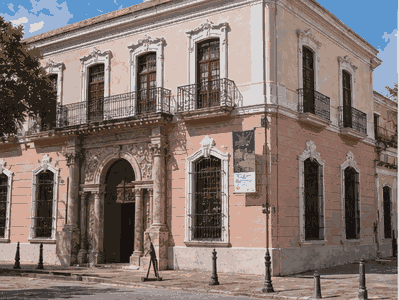
Museum for National Identity
Museum for National Identity is a key Tegucigalpa culture stop, useful for understanding local history, collections and rainy-day planning near the main sightseeing route.
View on map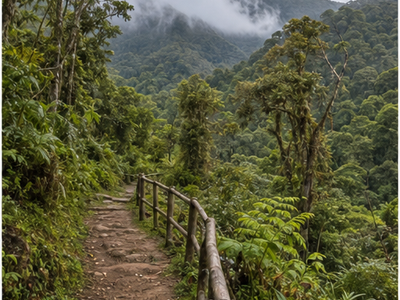
La Tigra National Park
La Tigra National Park adds outdoor time to a Tegucigalpa stay, with open space, views or waterfront breathing room between denser city sights.
View on map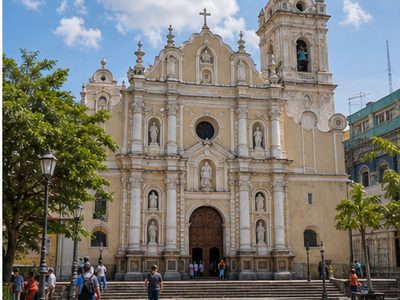
Los Dolores Church
Los Dolores Church anchors the historic and ceremonial side of Tegucigalpa, making it a practical stop for architecture, local memory and orientation.
View on mapStay overview
Start with City centre for the easiest first Tegucigalpa stay, then compare Old Town and Waterfront when price, nightlife, quieter evenings or transfer timing matter more than being beside every major sight.
Hotels & areas
Tegucigalpa hotel choice is mostly about repeat journeys: use City centre for sightseeing, Old Town for a different local base, and Waterfront or Airport area when views, parking, airport timing or longer stays matter.
City centre
City centre is the most practical first base in Tegucigalpa, keeping main sights, restaurants and short local transfers close.
Best for: first visits, sightseeing, restaurantsSee hotel optionsOld Town
Old Town is the most practical first base in Tegucigalpa, keeping main sights, restaurants and short local transfers close.
Best for: first visits, sightseeing, restaurantsSee hotel optionsWaterfront
Waterfront suits travellers who want views, evening walks and a calmer base while still keeping central Tegucigalpa reachable.
Best for: views, quieter evenings, walksSee hotel optionsAirport area
Airport area works mainly for early departures, late arrivals or car pickup, not for a first Tegucigalpa sightseeing base.
Best for: early flights, late arrivals, car pickupSee hotel optionsFlights & airports
Palmerola International Airport (XPL) arrival plan
- Palmerola International Airport (XPL)About 56 km from the centre
Compare airport access against hotel location, arrival time, rental car pickup, late flights and onward driving before choosing the first night base.
- Toncontín Airport (TGU)About 3 km from the centre
Compare airport access against hotel location, arrival time, rental car pickup, late flights and onward driving before choosing the first night base.
Rental cars
Tegucigalpa day-trip car use
Do not rent a car for central Tegucigalpa unless parking and traffic are part of the plan; use one mainly for regional day trips.
Compare rental carsTravel tips
Best base
Choose City centre for a first stay because it keeps main sights, restaurants and practical local movement close.
Airport timing
Leave extra time for Tegucigalpa International Airport, especially for early flights, late arrivals, traffic or unfamiliar transfer routes.
Local movement
Plan each day in clusters around Parque Central Tegucigalpa and Basilica de Suyapa so transfers do not consume the best sightseeing hours.
Day trips
Keep one flexible slot for nearby routes from Tegucigalpa, checking weather, transport and opening hours before committing.
Upcoming events
No upcoming Tegucigalpa events in the shared event index yet.
City history
Tegucigalpa was founded by Spanish settlers as Real de Minas de San Miguel de Tegucigalpa on September 29, 1578, on the site of an existing native settlement of the Lenca and Tolupans.
The first mayor of Tegucigalpa was Juan de la Cueva, who took office in 1579.
The Dolores Church (1735), the San Miguel Cathedral (1765), the Casa de la Moneda (1780), and the Immaculate Conception Church (1788) were some of the first important buildings constructed.
Almost 200 years later, on June 10, 1762, this mining town became Real Villa de San Miguel de Tegucigalpa y Heredia under the rule of Alonso Fernández de Heredia, then-acting governor of Honduras.
The late 18th and early 19th centuries saw disruption in Tegucigalpa's local government, from being extinguished in 1788 to becoming part of Comayagua in 1791 to returning to self-city governance in 1817.
In 1817, then-Mayor Narciso Mallol started the construction of the first bridge, a ten-arch masonry, connecting both sides of the Choluteca River.
In 1824, the first Congress of the Republic of Honduras declared Tegucigalpa and Comayagua, then the two most important cities in the country, to alternate as capital of the country.
After October 1838, following Honduras' independence as a single republic, the capital continued to switch back and forth between Tegucigalpa and Comayagua until October 30, 1880, when Tegucigalpa was declared the permanent capital of.
By 1898, it was decided that both Tegucigalpa and Comayagua, being neighbor cities on the banks of the Choluteca River, would form the capital, but with separate names and separate local governments.
On 30 October 1998, Hurricane Mitch devastated the capital, along with the rest of Honduras.
A popular myth claims that the society of Comayagua, the long-time colonial capital of Honduras, publicly disliked the wife of President Soto, who took revenge by moving the capital to Tegucigalpa.
A more likely theory is that the change took place because President Soto was an important partner of the Rosario Mining Company, an American silver mining company, whose operations were based in San Juancito.
A portion of Comayagua was destroyed along with several neighborhoods on both sides of the Honduran capital.
In an effort to modernize the capital, increase its infrastructure and improve the quality of life of its inhabitants, the administration has passed several ordinances and projects to turn the city around within the.