Forecast
Havana
Local time--:--
America/HavanaWeather Forecast
Havana, CubaOpen-Meteo forecast.
Havana city overview
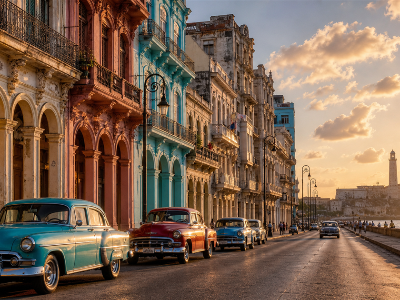
Havana works best as a base in Cuba when you anchor days around Old Havana, Malecon Havana and El Capitolio. Use those sights to understand the city's history, street life and visitor rhythm. Jose Marti International Airport handles the main arrival flow, so hotel choice should balance the centre, transfer time and day-trip plans.
Worth seeing
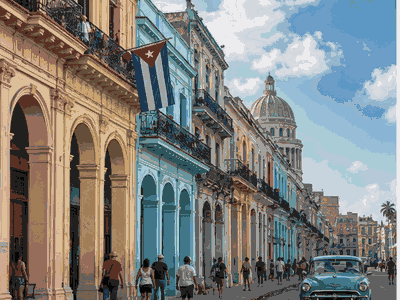
Old Havana
Old Havana is a named stop in Havana worth keeping on the route when it fits the day's transport, timing and neighborhood plan.
View on map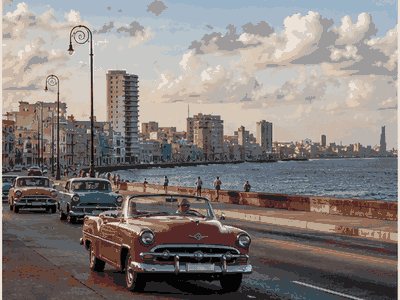
Malecon Havana
Malecon Havana is a named stop in Havana worth keeping on the route when it fits the day's transport, timing and neighborhood plan.
View on map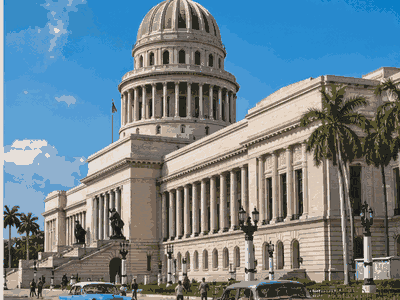
El Capitolio
El Capitolio is a named stop in Havana worth keeping on the route when it fits the day's transport, timing and neighborhood plan.
View on map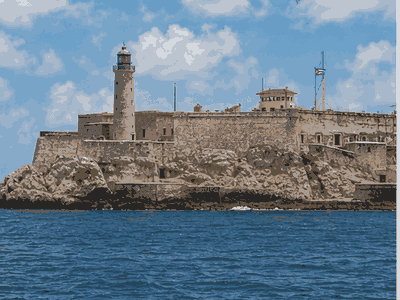
Morro Castle Havana
Morro Castle Havana is a clear heritage marker in Havana, best used as a fixed point when grouping nearby streets, monuments and viewpoints.
View on map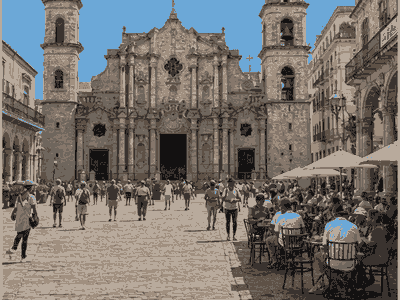
Plaza de la Catedral
Plaza de la Catedral is a clear heritage marker in Havana, best used as a fixed point when grouping nearby streets, monuments and viewpoints.
View on map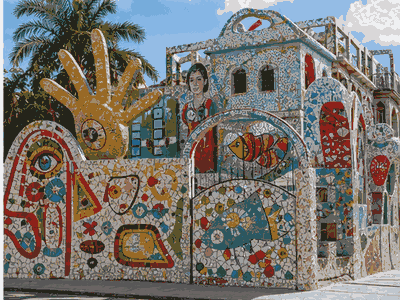
Fusterlandia
Fusterlandia is a named stop in Havana worth keeping on the route when it fits the day's transport, timing and neighborhood plan.
View on mapStay overview
Start with City centre for the easiest first Havana stay, then compare Old Town and Waterfront when price, nightlife, quieter evenings or transfer timing matter more than being beside every major sight.
Hotels & areas
Havana hotel choice is mostly about repeat journeys: use City centre for sightseeing, Old Town for a different local base, and Waterfront or Airport area when views, parking, airport timing or longer stays matter.
City centre
City centre is the most practical first base in Havana, keeping main sights, restaurants and short local transfers close.
Best for: first visits, sightseeing, restaurantsSee hotel optionsOld Town
Old Town is the most practical first base in Havana, keeping main sights, restaurants and short local transfers close.
Best for: first visits, sightseeing, restaurantsSee hotel optionsWaterfront
Waterfront suits travellers who want views, evening walks and a calmer base while still keeping central Havana reachable.
Best for: views, quieter evenings, walksSee hotel optionsAirport area
Airport area works mainly for early departures, late arrivals or car pickup, not for a first Havana sightseeing base.
Best for: early flights, late arrivals, car pickupSee hotel optionsFlights & airports
José Martí International Airport (HAV) arrival plan
- José Martí International Airport (HAV)About 16 km from the centre
Compare airport access against hotel location, arrival time, rental car pickup, late flights and onward driving before choosing the first night base.
- Juan Gualberto Gomez International Airport (VRA)About 98 km from the centre
Compare airport access against hotel location, arrival time, rental car pickup, late flights and onward driving before choosing the first night base.
Rental cars
Havana day-trip car use
Do not rent a car for central Havana unless parking and traffic are part of the plan; use one mainly for regional day trips.
Compare rental carsTravel tips
Best base
Choose City centre for a first stay because it keeps main sights, restaurants and practical local movement close.
Airport timing
Leave extra time for Jose Marti International Airport, especially for early flights, late arrivals, traffic or unfamiliar transfer routes.
Local movement
Plan each day in clusters around Old Havana and Malecon Havana so transfers do not consume the best sightseeing hours.
Day trips
Keep one flexible slot for nearby routes from Havana, checking weather, transport and opening hours before committing.
Nearby ideas
Nature · about 1 h 15 min · Viazul coach west on the A4 autopista
Viñales Valley
Limestone mogotes over tobacco fields still worked with oxen; a UNESCO landscape.
View on mapBeach · about 30 min · the Habana Bus Tour T3 east along the Vía Blanca
Playas del Este
The city's own white-sand beaches at Santa María, twenty minutes from Old Havana.
View on mapNature · about 1 h · car west on the A4 into Artemisa
Las Terrazas
A 1968 reforestation community in the Sierra del Rosario, with a zip line over the lake.
View on mapUpcoming events
City history
Between 1514 and 1519, the Spanish established the first settlements on the northern coast of Cuba near present-day Havana.
Havana is the prevailing name for the city found in English-language dictionaries. 16th century Beginnings Diego Velázquez originally founded Havana in 1514, on the opposite coast, 69 km (43 mi) south of its current.
The town that became Havana originated adjacent to what was then called Puerto de Carenas (literally, 'Careening Port'), in 1519.
In 1674, construction of the city walls started as part of the fortification efforts.
It would be completed by 1740. 18th century By the middle of the 18th century, Havana had more than seventy thousand inhabitants, making it the third-largest city in the Americas, ranking behind Lima and.
On 15 January 1796, the remains of Christopher Columbus were transported to Cuba from Santo Domingo.
In 1837, the first railroad in the country was constructed in Havana, a 51 km (32 mi) stretch between Havana and Bejucal, which was used to transport sugar from the valley of Güines to.
Many refugees stayed in Cuba until Andrew Johnson granted amnesty to former Confederates in 1868. Cuban independence The sinking of the USS Maine battleship in the Havana Harbor was the immediate cause of the.
They rested there until 1898, when they were transferred to the Seville Cathedral after Spain's loss of Cuba in the Spanish-American War. 19th century As trade between the Caribbean and North America increased in.
On 12 August 1898, Spain relinquished sovereignty over Cuba, thus ending Spanish presence in the Americas. 20th century Republican era Havana became the capital of the newly independent Republic of Cuba in 1902.
In July 1940, during World War II, Cuba hosted the Havana Conference, where representatives from the U.S. and 20 other countries in Latin America met in Havana and agreed to a policy of defending.
In the meantime, efforts to build or improve the defensive infrastructure of the city continued. 17th century Havana expanded greatly during the 17th century.
The first cities founded on the island served as little more than bases for the conquista of other lands. Attacks As Havana began as a trading port in the Caribbean, it suffered regular attacks.
With this, Cuba became the seventh country in the world to have a railroad, and the first Latin American and Spanish-speaking country to do so.