
Romania
History
Basarab I defeated Hungary at Posada and secured Wallachian independence.
The Principality of Moldavia was founded, later one of the two states that formed Romania.
Wallachia and Moldavia elected the same prince and united.
Romania became independent from the Ottoman Empire, marking a key step in modern statehood.
The Kingdom of Romania emerged, giving the area a defined monarchical state structure.
Transylvania, Bessarabia and Bukovina joined Romania.
The king abdicated and a communist republic was declared.
The current constitution came into force, setting the basic framework for today's Romania.
 Part ofEuropeMore countries, cities and routes.
Short facts
RegionEastern Europe
LanguageRomanian
Time zoneEET (UTC+2)
Drives onRight
Worth seeing
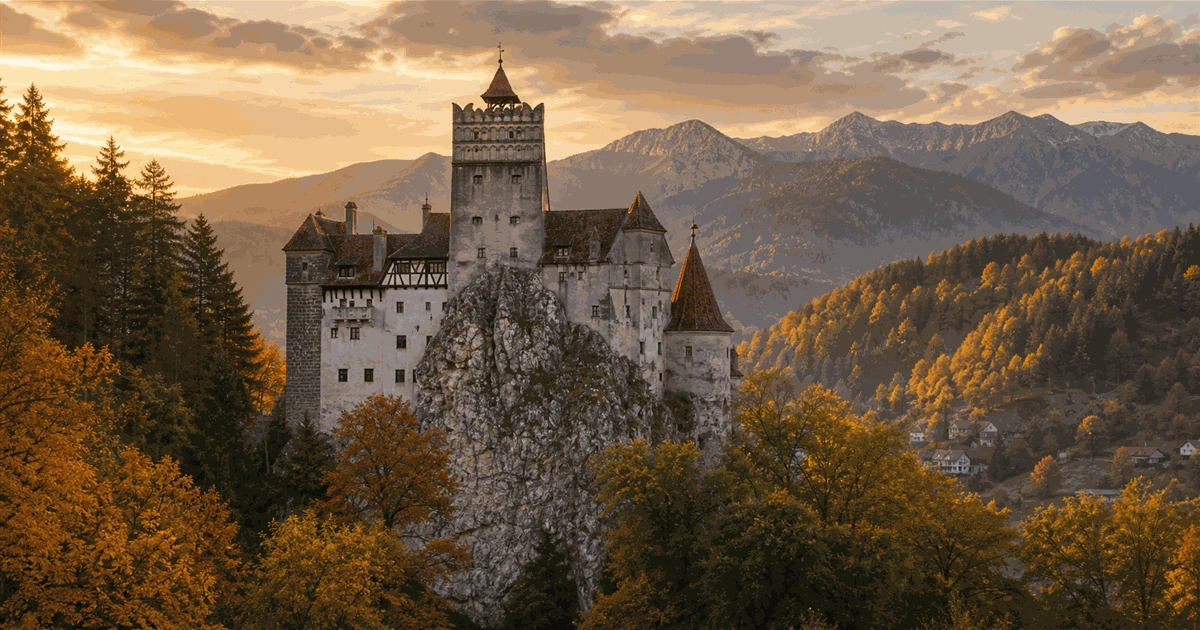
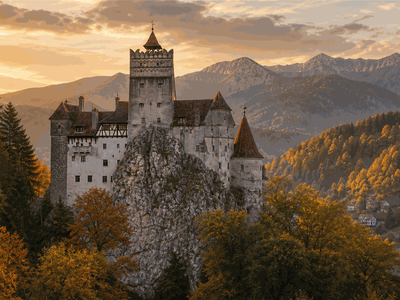
- Transylvania: Bran Castle, the Dracula legend, and medieval Saxon towns like Sibiu and Brasov.
- Painted Monasteries: Exterior frescoes on Bucovina's monasteries are among Europe's most remarkable art.
- Danube Delta: A UNESCO biosphere reserve with 300 bird species and reed-maze waterways.
Find a city in Romania
Showing all cities
 Bucharest
Planning questions
What is Romania known for?Transylvania, Painted Monasteries, Danube Delta.
What is the capital?Bucharest.
Which language is useful?Romanian.
When is the national day?1 December.
Upcoming events
 Great Union Day1 December 2026 — Across Romania — Romania
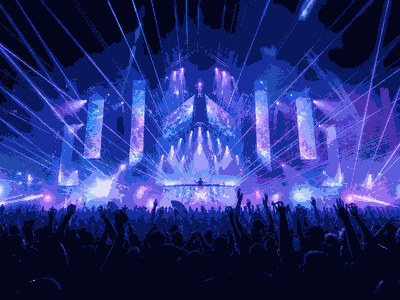 Untold Festival6 August 2027–9 August 2027 — Cluj-Napoca — Romania
Use Bucharest as the first planning anchor for Romania, then compare the city, food and worth-seeing notes on this page.
Food & drink
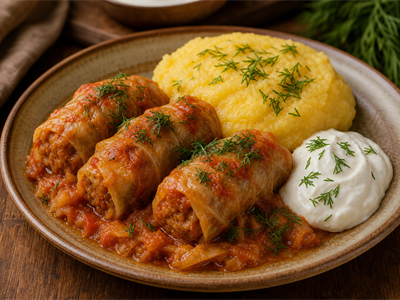 Sarmale
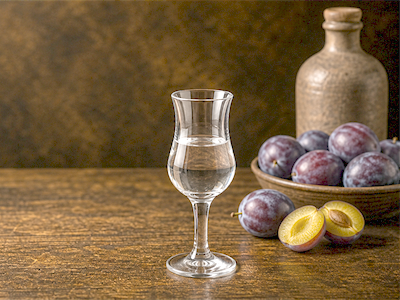 Țuică
ȚuicăKnown for
TransylvaniaBran Castlethe Dracula legendBrasov.Painted MonasteriesDanube Delta300 bird speciesreed-maze waterways.
 Music & Culture