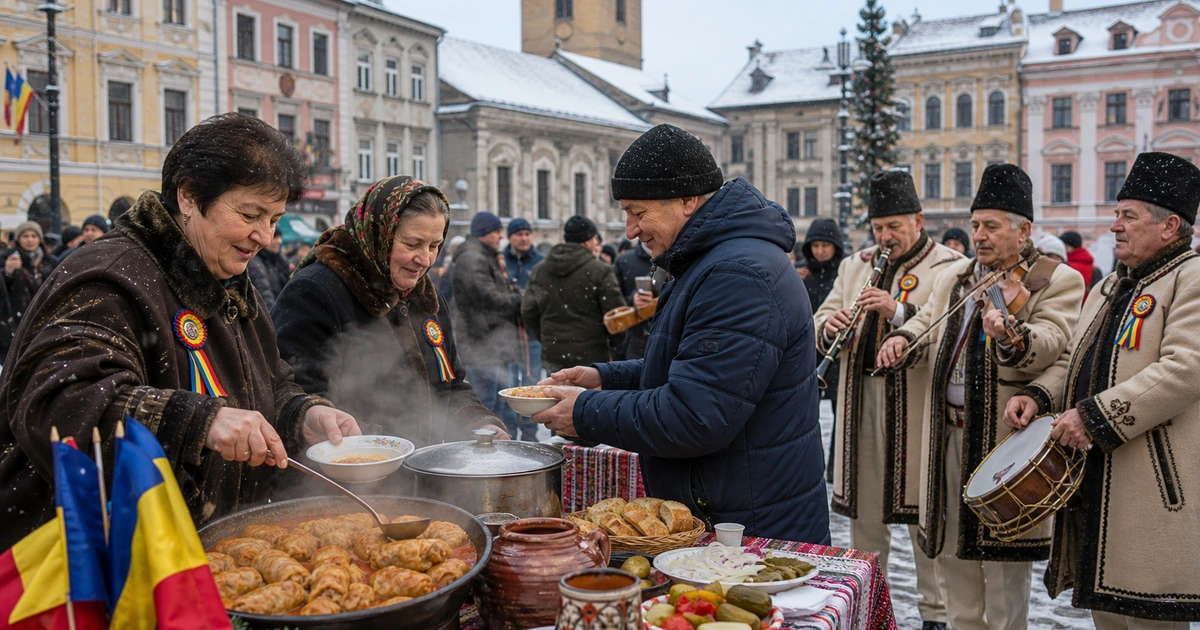


About the event
Why Romania celebrates 1 December On 1 December 1918, the Great National Assembly gathered in Alba Iulia and voted to unite Transylvania, Banat, Crișana and Maramureș with the Kingdom of Romania, creating Greater Romania.
The original site of the 1918 union declaration — massive public celebrations fill the star-shaped fortress on 1 December.
Why this day
On 1 December 1918, the Great National Assembly gathered in Alba Iulia and voted to unite Transylvania, Banat, Crișana and Maramureș with the Kingdom of Romania, creating Greater Romania. The day is known as Ziua Marii Uniri — the Day of the Great Union — and is Romania's most important national holiday.
The union came at the end of World War I, when the collapse of the Austro-Hungarian Empire created an opportunity for Romanian-majority territories to join the kingdom. The regions of Wallachia and Moldavia had already united in 1859 under Alexandru Ioan Cuza, but Transylvania had remained under Hungarian rule for almost a thousand years.
Great Union Day is marked with a massive military parade in Bucharest — one of Europe's largest — and the equally important ceremony in Alba Iulia, the city where the union was proclaimed. Local parades, folk festivals and family gatherings take place across Romania. The city of Alba Iulia becomes a pilgrimage destination on 1 December.
Timeline
- 1918Great National Assembly votes to unite Transylvania with Romania at Alba Iulia
- 1881Kingdom of Romania proclaimed — Wallachia and Moldavia already united
- 1989Romanian Revolution — communist dictator Ceaușescu overthrown
Key figures
Stay for the event
Check-in 30 Nov, check-out 2 Dec 2026 — 2 nights around 1 December 2026. Change the dates to stay longer.
AREA
Find stays in BucharestHost country
- Currency: Romanian leu
- Language: Romanian
- Driving: on the right
- Capital: Bucharest
- Phone: +40
- Emergency: 112
- Electricity: 230 V, 50 Hz, plugs C/F
What to eat
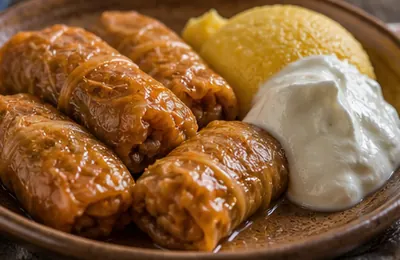 Sarmale
Cabbage rolls stuffed with minced pork and rice, slow-cooked in tomato and sauerkraut broth — the national dish.
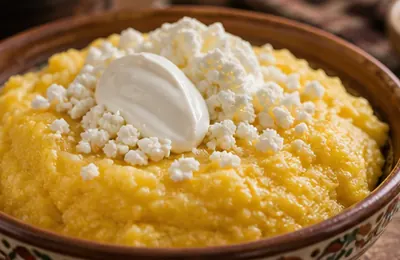 Mămăligă
Thick polenta — Romania's most ancient staple, eaten with sour cream, cheese or fried eggs.
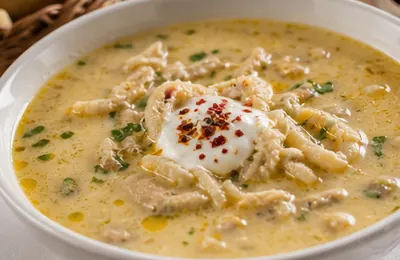 Ciorbă de burtă
Tripe soup with sour cream, garlic and vinegar — a pungent, restorative Romanian classic.
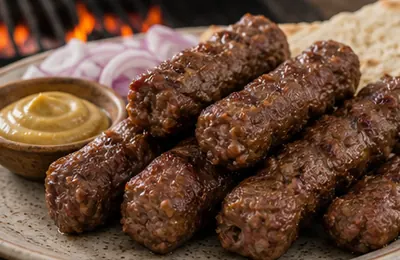 Mici
MiciSmall grilled minced meat rolls — coarse-ground beef and pork with garlic and cumin — eaten at every outdoor gathering.
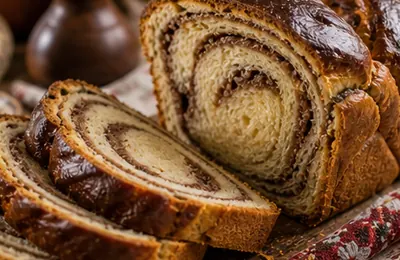 Cozonac
Sweet enriched bread filled with walnuts and cocoa — baked for Christmas, Easter and national celebrations.
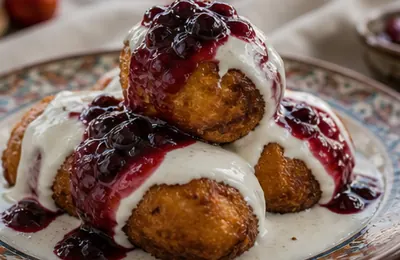 Papanași
Fried cottage cheese doughnuts served with sour cream and cherry jam — Romania's favourite dessert.
What to drink
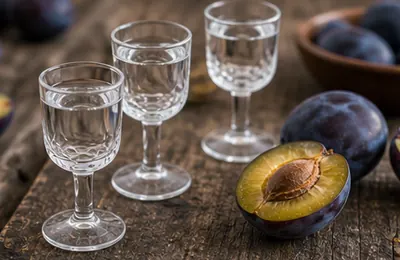 Țuică
ȚuicăRomanian plum brandy — the national spirit, traditionally home-distilled in autumn after the harvest.
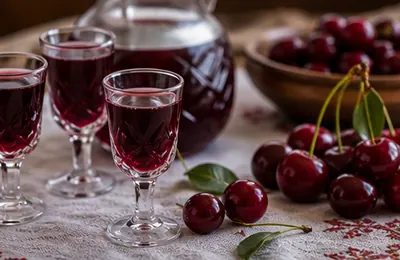 Vișinată
Sour cherry liqueur — sweet, dark red and drunk as an aperitif or digestif.
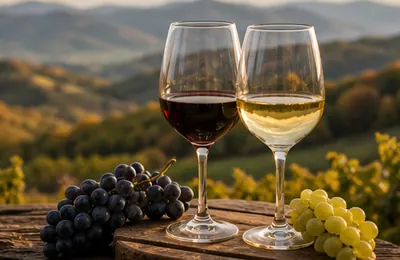 Romanian wine
Transylvania and the Dealu Mare region produce award-winning whites and reds — Romania is a major but underrated wine country.
Culture & traditions
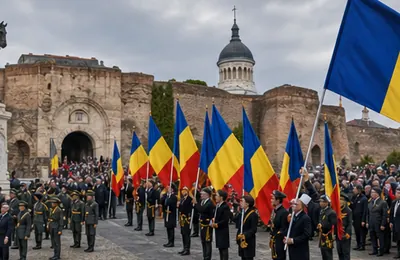 Alba Iulia ceremony
The original site of the 1918 union declaration — massive public celebrations fill the star-shaped fortress on 1 December.
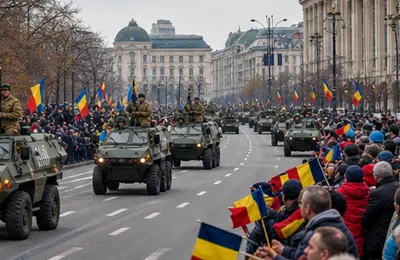 Bucharest parade
Romania's military parade on Calea Victoriei is one of the largest national day parades in Europe.
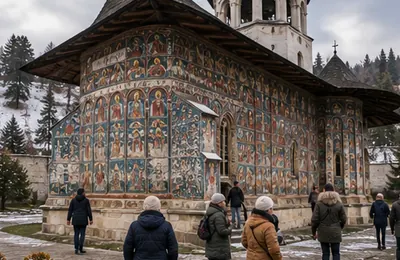 Painted monasteries of Bucovina
15th-century Orthodox monasteries with frescoes covering their exterior walls — a UNESCO World Heritage site.
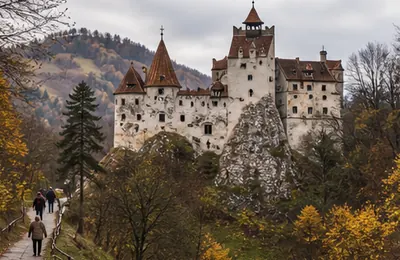 Bran Castle
The gothic Transylvanian castle associated with Dracula mythology — the most visited site in Romania.
Coming years
Great Union Day 2027
- Wednesday 1 December 2027Next event date
Great Union Day 2028
- Friday 1 December 2028Event date
Great Union Day 2029
- Saturday 1 December 2029Event date