Forecast
Oslo
Local time--:--
Europe/OsloWeather Forecast
Oslo, NorwayOpen-Meteo forecast.
Oslo city overview
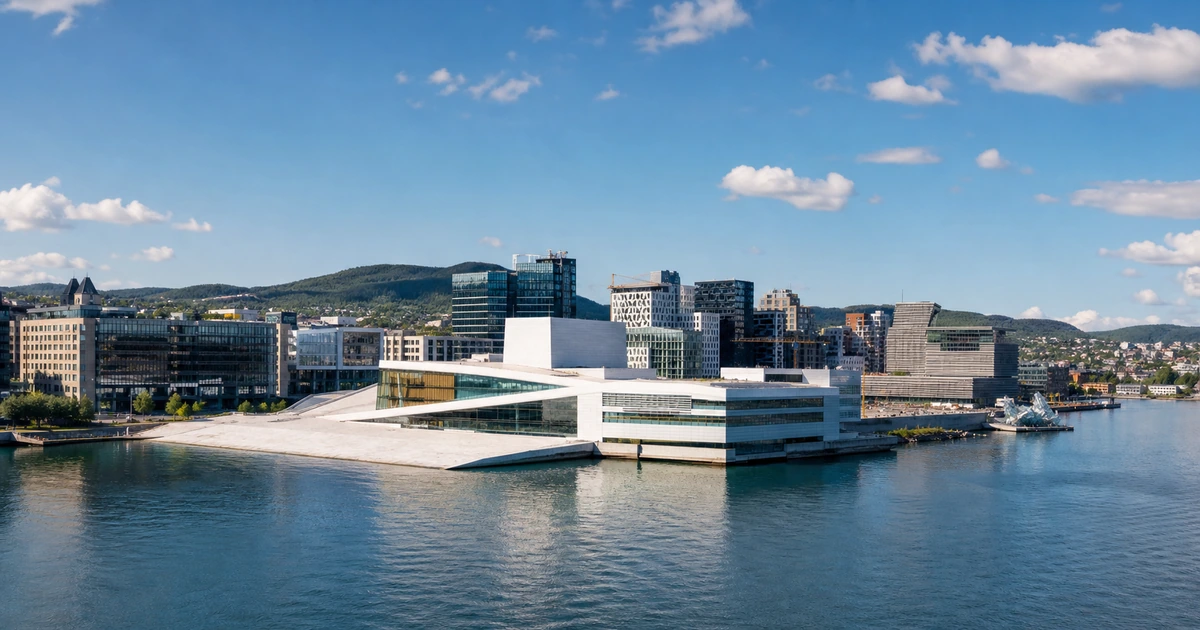
Oslo works best as a base in Norway when you anchor days around Oslo Opera House, Akershus Fortress and Vigeland Park. Use those sights to understand the city's history, street life and visitor rhythm. Oslo Gardermoen handles the main arrival flow, so hotel choice should balance the centre, transfer time and day-trip plans.
Worth seeing
Oslo Opera House
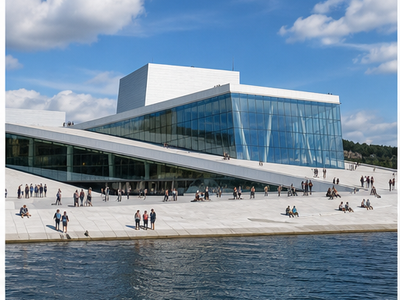
Oslo Opera House is a named stop in Oslo worth keeping on the route when it fits the day's transport, timing and neighborhood plan.
View on map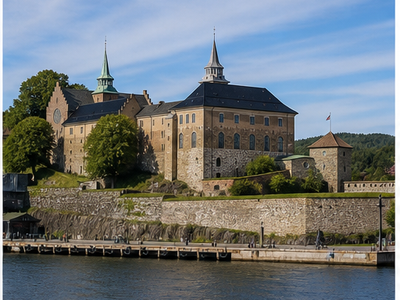
Akershus Fortress
Akershus Fortress is a clear heritage marker in Oslo, best used as a fixed point when grouping nearby streets, monuments and viewpoints.
View on map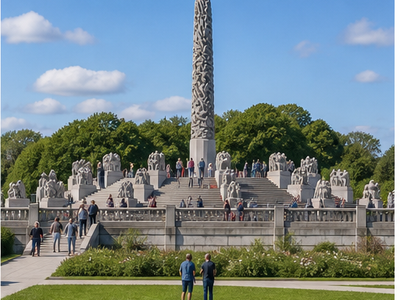
Vigeland Park
Vigeland Park adds outdoor time to a Oslo stay, with open space, views or waterfront breathing room between denser city sights.
View on map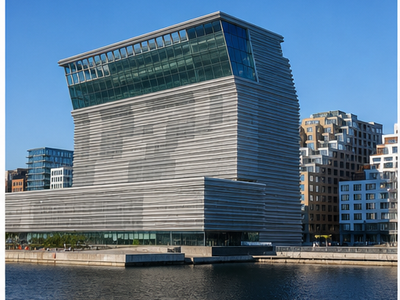
MUNCH
The new Munch museum in Bjørvika next to the Opera House: thirteen floors of Edvard Munch, rooftop views over the fjord.
View on map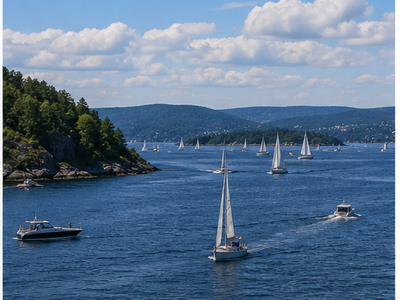
Oslofjord
Oslofjord is a named stop in Oslo worth keeping on the route when it fits the day's transport, timing and neighborhood plan.
View on map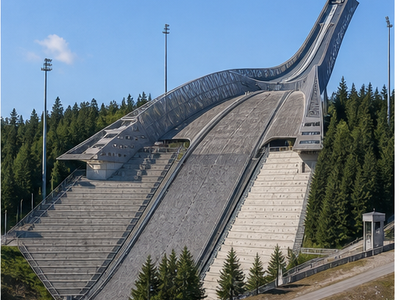
Holmenkollen
Holmenkollen is a named stop in Oslo worth keeping on the route when it fits the day's transport, timing and neighborhood plan.
View on mapStay overview
Start with City centre for the easiest first Oslo stay, then compare Old Town and Waterfront when price, nightlife, quieter evenings or transfer timing matter more than being beside every major sight.
Hotels & areas
Oslo hotel choice is mostly about repeat journeys: use City centre for sightseeing, Old Town for a different local base, and Waterfront or Airport area when views, parking, airport timing or longer stays matter.
City centre
City centre is the most practical first base in Oslo, keeping main sights, restaurants and short local transfers close.
Best for: first visits, sightseeing, restaurantsSee hotel optionsOld Town
Old Town is the most practical first base in Oslo, keeping main sights, restaurants and short local transfers close.
Best for: first visits, sightseeing, restaurantsSee hotel optionsWaterfront
Waterfront suits travellers who want views, evening walks and a calmer base while still keeping central Oslo reachable.
Best for: views, quieter evenings, walksSee hotel optionsAirport area
Airport area works mainly for early departures, late arrivals or car pickup, not for a first Oslo sightseeing base.
Best for: early flights, late arrivals, car pickupSee hotel optionsFlights & airports
Oslo-Gardermoen International Airport (OSL) arrival plan
- Oslo-Gardermoen International Airport (OSL)About 37 km from the centre
To the centre: Flytoget airport express train or airport bus, about 20 min (bus NOK 160 single / NOK 260 return).
- Sandefjord Airport, Torp (TRF)About 85 km from the centre
To the centre: Torp-Ekspressen bus to Oslo bus terminal, about 105 min (NOK 240 single / NOK 420 return).
Public transport
- Metro, tram, bus and ferryTickets from machines or 7-Eleven; pre-bought NOK 30, bought on board NOK 50 (Ruter)
- TaxiOslo Taxi, Norgestaxi, Taxi2 — Take one from a stand or book by phone; street hailing is not the custom and stand fares run higher
Rental cars
Oslo day-trip car use
Do not rent a car for central Oslo unless parking and traffic are part of the plan; use one mainly for regional day trips.
Compare rental carsTravel tips
Best base
Choose City centre for a first stay because it keeps main sights, restaurants and practical local movement close.
Airport timing
Leave extra time for Oslo Gardermoen, especially for early flights, late arrivals, traffic or unfamiliar transfer routes.
Local movement
Plan each day in clusters around Oslo Opera House and Akershus Fortress so transfers do not consume the best sightseeing hours.
Day trips
Keep one flexible slot for nearby routes from Oslo, checking weather, transport and opening hours before committing.
Nearby ideas
Craft · about 1 h · car or bus via Jevnaker
Hadeland Glassverk
Working glassworks since 1762 with glass-blowing you can watch and try, shops and cafés by the Randsfjord.
View on mapSpa · about 20 min · car or bus from Oslo to Kolbotn
The Well
Nordic spa with pools, saunas and ritual sessions; a full day for rainy or cold weather.
View on mapIsland · about 10 min · Ruter ferry B1 from Aker Brygge, ordinary transit ticket
Hovedøya
Closest Oslofjord island with monastery ruins, beaches and walking paths; summer swimming.
View on mapHeritage · about 1 h · bus 500 from Oslo bus terminal, boat in summer
Drøbak and Oscarsborg
Wooden-house harbour town and the island fortress that sank the Blücher in 1940; ferry across in minutes.
View on mapHeritage · about 45 min · train from Oslo S to Eidsvoll Verk
Eidsvoll 1814
The manor where Norway's constitution was signed on 17 May 1814, with museum and park.
View on mapNature · about 20 min · metro line 5 to Sognsvann
Sognsvann and Nordmarka
Lake loop and forest trails straight from the metro; cross-country skiing in winter.
View on mapUpcoming events

Bob Dylan in Oslo
17 October 2026 — Oslo — Norway
Oslo Innovation Week
19 October 2026 - 23 October 2026 — Oslo — Norway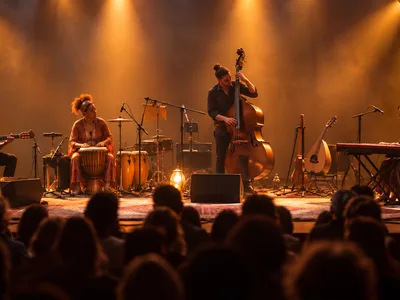
Oslo World
27 October 2026 - 1 November 2026 — Oslo — Norway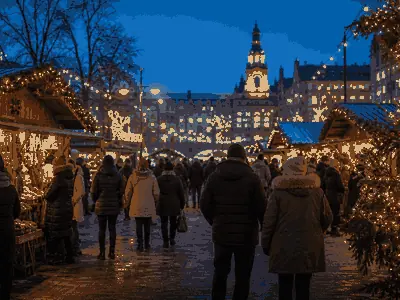
Jul i Vinterland
7 November 2026 – 3 January 2027 — Oslo — Norway
Norway v Wales
14 November 2026 — Oslo — Norway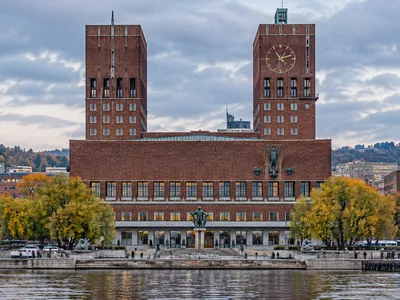
Nobel Peace Prize Ceremony
10 December 2026 — Oslo — Norway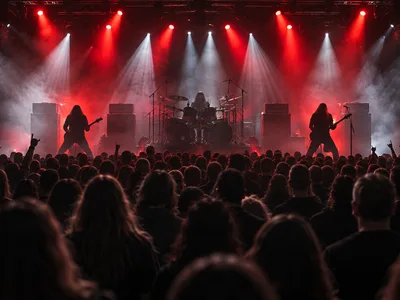
Inferno Metal Festival
25 March 2027 - 28 March 2027 — Oslo — Norway
Megadeth in Oslo
28 March 2027 — Oslo — Norway
Bryan Adams in Oslo
3 May 2027 — Oslo — Norway
Holmenkollstafetten
8 May 2027 — Oslo — Norway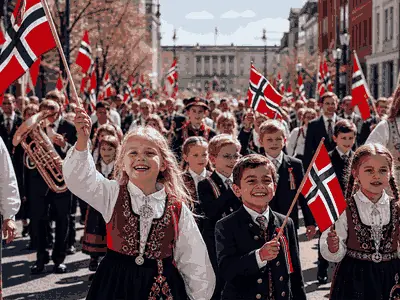
Norwegian Constitution Day
17 May 2027 — Across Norway — Norway
Norwegian Football Cup Final
29 May 2027 — Oslo — Norway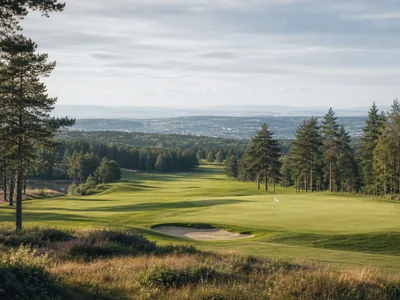
KLPGA Oslo Ladies Open
12 June 2027–17 June 2027 — Oslo — Norway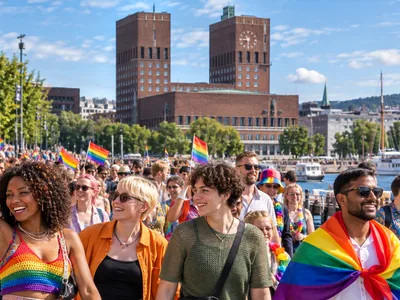
Oslo Pride
16 June 2027 - 26 June 2027 — Oslo — Norway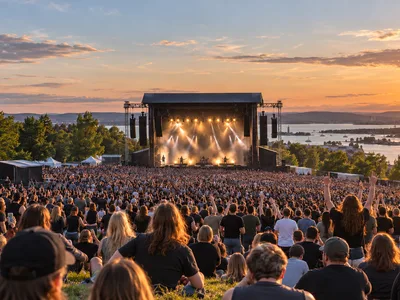
Tons of Rock
23 June 2027 - 26 June 2027 — Oslo — Norway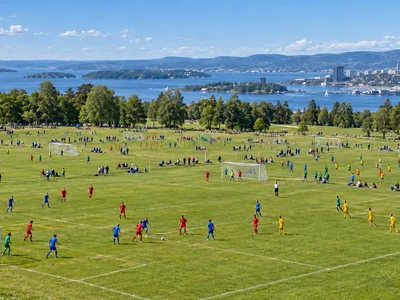
Norway Cup
31 July 2027 - 7 August 2027 — Oslo — Norway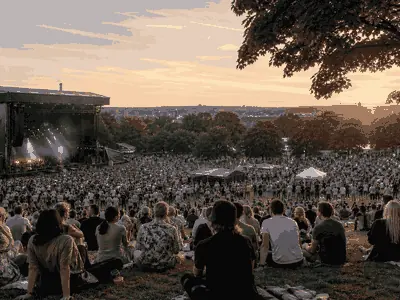
Øya Festival
11–14 August 2027 — Oslo — Norway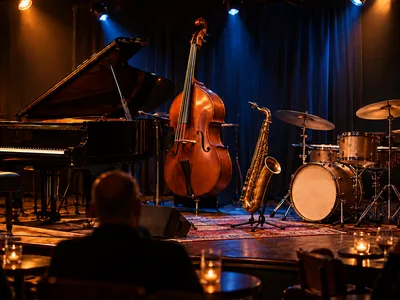
Oslo Jazzfestival
16 August 2027 - 21 August 2027 — Oslo — Norway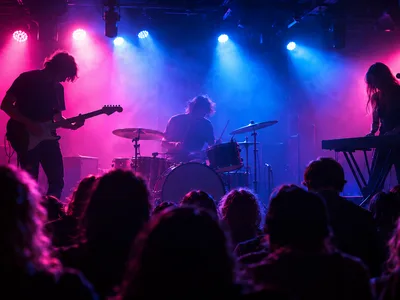
by:Larm
16 September 2027 - 18 September 2027 — Oslo — Norway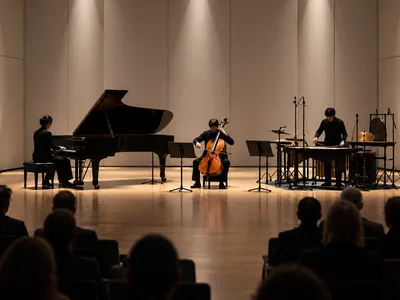
Ultima Oslo Contemporary Music Festival
16 September 2027 - 25 September 2027 — Oslo — Norway
Oslo Maraton
18 September 2027 — Oslo — Norway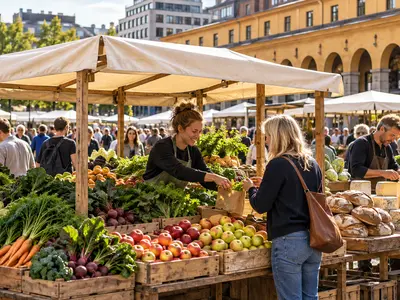
Matstreif
24 September 2027 - 25 September 2027 — Oslo — NorwayCity history
Recent archaeological research, however, uncovered Christian burials which could be dated to prior to AD 1000, evidence of a preceding urban settlement.
According to the Norse sagas, Oslo was founded around 1049 by Harald Hardrada.
After the fourteenth calamity, in 1624, which lasted for three days, Christian IV of Denmark decided that the old city should not be rebuilt again.
Anatomigården is a historic timber framing house located on the north side of Christiania Torv; it was built in 1640.
The strong economy transformed Christiania into a trading port. 19th century The Royal Frederick University (now the University of Oslo) was founded in 1811; the fact that it was founded this late reportedly had.
In 1814 the former provincial town of Christiania became the capital of the independent Kingdom of Norway, when the union with Denmark was dissolved and replaced by a personal union with Sweden.
Large areas of the surrounding Aker municipality were incorporated in 1839, 1859, and 1878.
In 1850, Christiania overtook Bergen and became the most populous city in the country.
In 1877 the city was renamed Kristiania. 1900–present The city and municipality used the name Kristiania until 1 January 1925 when the original name of Oslo was restored.
This was because Norway became fully independent in 1905, and Norwegians argued that a name memorializing a Danish king (Christian IV of Denmark) was inappropriate as the name of the capital of their country.
In 1948, Oslo merged with Aker, a municipality which surrounded the capital and was 27 times larger, thus creating the modern, vastly enlarged Oslo municipality.
This called for the celebration of Oslo's millennium in 2000 rather than 2049. 1000–1600 Under the reign of Olaf III of Norway (1067–1093), Oslo became a cultural centre for Eastern Norway.
At the end of the 12th century, Hanseatic League traders from Rostock moved into the city and gained major influence in the city.
The churches and abbeys became major owners of large tracts of land, which proved important for the city's economic development, especially before the Black Death.