Forecast
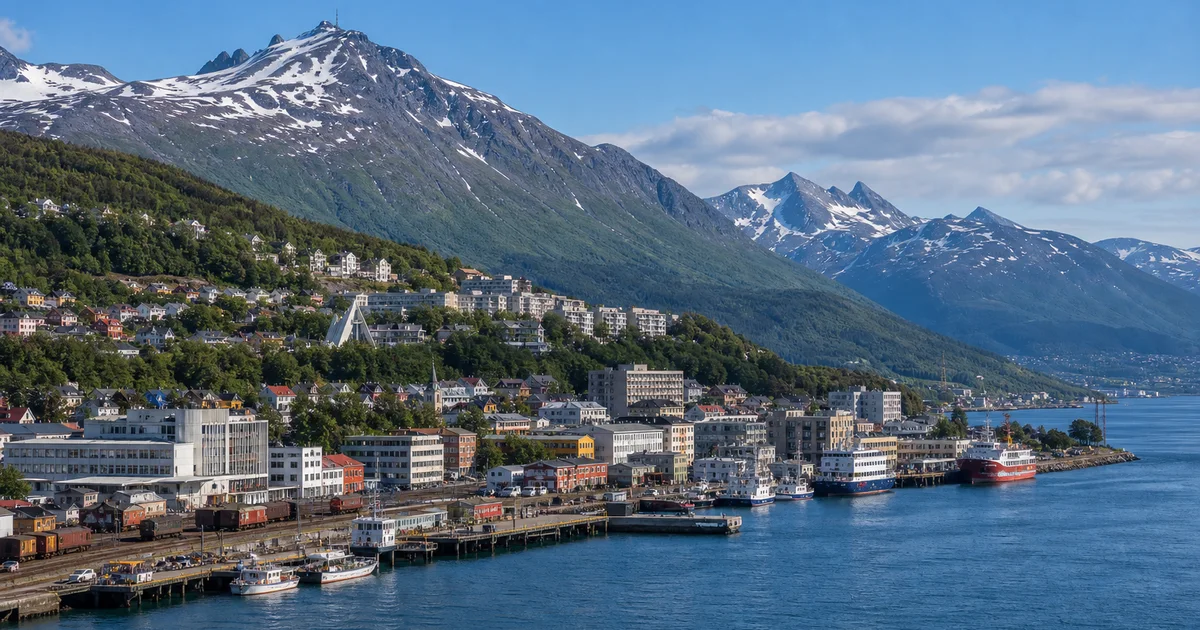
Narvik
Local time--:--
Europe/OsloWeather Forecast
Narvik, NorwayOpen-Meteo forecast.
Narvik city overview
Narvik works best as a base in Norway when you anchor days around Narvikfjellet, Ofoten Railway and Narvik War Museum. Use those sights to understand the city's history, street life and visitor rhythm. Narvik International Airport handles the main arrival flow, so hotel choice should balance the centre, transfer time and day-trip plans.

Worth seeing
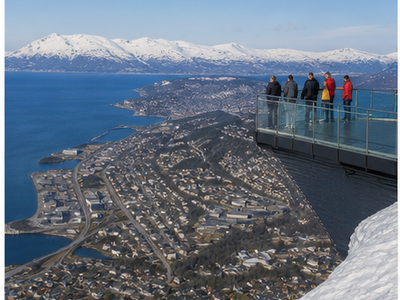
Narvikfjellet
Narvikfjellet is a named stop in Narvik worth keeping on the route when it fits the day's transport, timing and neighborhood plan.
View on map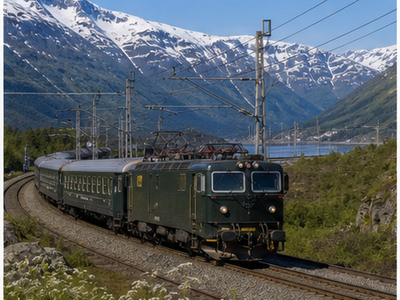
Ofoten Railway
Ofoten Railway is a named stop in Narvik worth keeping on the route when it fits the day's transport, timing and neighborhood plan.
View on map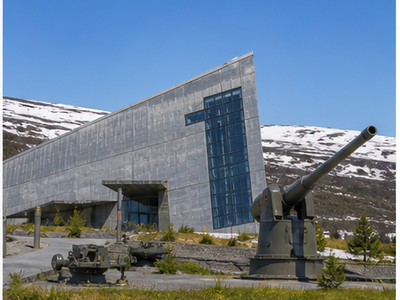
Narvik War Museum
Narvik War Museum is a key Narvik culture stop, useful for understanding local history, collections and rainy-day planning near the main sightseeing route.
View on map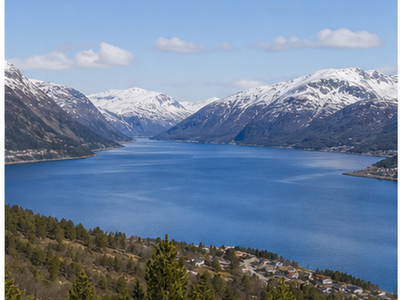
Rombaksfjord
Rombaksfjord is a named stop in Narvik worth keeping on the route when it fits the day's transport, timing and neighborhood plan.
View on map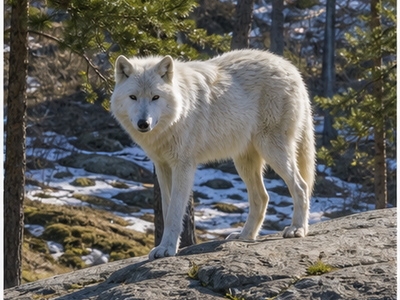
Polar Park trips
Polar Park trips adds outdoor time to a Narvik stay, with open space, views or waterfront breathing room between denser city sights.
View on map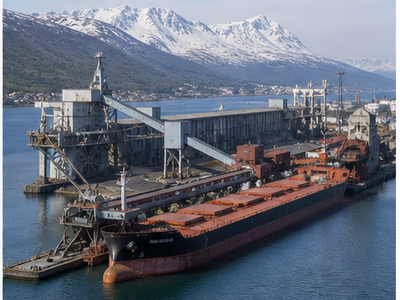
Iron ore harbour
Iron ore harbour adds the water-facing side of Narvik, making it a good break from museums, traffic and dense historic streets.
View on mapStay overview
Start with City centre for the easiest first Narvik stay, then compare Old Town and Waterfront when price, nightlife, quieter evenings or transfer timing matter more than being beside every major sight.
Hotels & areas
Narvik hotel choice is mostly about repeat journeys: use City centre for sightseeing, Old Town for a different local base, and Waterfront or Airport area when views, parking, airport timing or longer stays matter.
City centre
City centre is the most practical first base in Narvik, keeping main sights, restaurants and short local transfers close.
Best for: first visits, sightseeing, restaurantsSee hotel optionsOld Town
Old Town is the most practical first base in Narvik, keeping main sights, restaurants and short local transfers close.
Best for: first visits, sightseeing, restaurantsSee hotel optionsWaterfront
Waterfront suits travellers who want views, evening walks and a calmer base while still keeping central Narvik reachable.
Best for: views, quieter evenings, walksSee hotel optionsAirport area
Airport area works mainly for early departures, late arrivals or car pickup, not for a first Narvik sightseeing base.
Best for: early flights, late arrivals, car pickupSee hotel optionsFlights & airports
Harstad/Narvik Airport (EVE) arrival plan
- Harstad/Narvik Airport (EVE)About 31 km from the centre
Compare airport access against hotel location, arrival time, rental car pickup, late flights and onward driving before choosing the first night base.
- Bardufoss Airport (BDU)About 82 km from the centre
Compare airport access against hotel location, arrival time, rental car pickup, late flights and onward driving before choosing the first night base.
- Stokmarknes Airport, Skagen (SKN)About 99 km from the centre
Compare airport access against hotel location, arrival time, rental car pickup, late flights and onward driving before choosing the first night base.
Rental cars
Narvik day-trip car use
Do not rent a car for central Narvik unless parking and traffic are part of the plan; use one mainly for regional day trips.
Compare rental carsTravel tips
Best base
Choose City centre for a first stay because it keeps main sights, restaurants and practical local movement close.
Airport timing
Leave extra time for Narvik International Airport, especially for early flights, late arrivals, traffic or unfamiliar transfer routes.
Local movement
Plan each day in clusters around Narvikfjellet and Ofoten Railway so transfers do not consume the best sightseeing hours.
Day trips
Keep one flexible slot for nearby routes from Narvik, checking weather, transport and opening hours before committing.
Nearby ideas
Mountain · about 1 h · train east on the Ofoten line into Sweden
Riksgränsen
Skiing under the midnight sun into June at the border station, 500 metres up.
View on mapNature · about 50 min · bus or car south on the E6
Ballangen
A fjord-side village with a mining museum and a sandy beach that warms in July.
View on mapMountain · about 40 min · car north on the E6 towards Bjerkvik
Herjangsfjellet
Open fell with marked summer trails and the 1940 battlefield lines still visible in the ground.
View on mapCity history
During this invasion, ten German destroyers, each carrying 200 mountain infantry soldiers, were sent to Narvik.
Narvik offered a port which is ice-free thanks to the warm Gulf Stream, and is naturally large, allowing boats of virtually any size to anchor, up to 208 metres (682 ft) long and 27.
In 1939, Germany's war industry depended upon iron ore mined in Kiruna and Malmberget in Sweden.
Winston Churchill realized that the control of Narvik meant stopping most German imports of iron ore during the winter of 1940.
The town of Narvik was developed as an all-year ice free port for the Swedish iron mines in Kiruna and Gällivare .
Obtaining iron ore from Kiruna had one significant problem in that there was no suitable Swedish port.
The Swedish company (Gällivarre Aktiebolag) built the Iron Ore Line (Malmbanan) to Riksgränsen on the Norway–Sweden border.
The Norwegian Ofotbanen railway line connects Narvik to the Swedish border.
It is an important employer and landowner in Narvik, although its influence is not as prominent as in the past. World War II The port of Narvik proved to be strategically valuable in the.
During the summer season, this ore could be sent by cargo ship to Germany through the Baltic Sea via the Swedish port of Luleå on the Gulf of Bothnia.
However, when the Gulf of Bothnia froze during the winter, more shipments of the ore needed to be transported through Narvik and, from there, down the west coast of Norway to Germany.
Equally as important, later in the war, German submarines and warships based there threatened the allied supply line to the Soviet Union.
This is also considered the first Allied infantry victory in World War II.
Possession of the Ofotfjord was also important to the German Kriegsmarine (navy) since it provided a refuge for warships like the "pocket battleship" Lützow and the battleship Tirpitz outside the range (at the time).