Forecast
Kristiansand
Local time--:--
Europe/OsloWeather Forecast
Kristiansand, NorwayOpen-Meteo forecast.
Kristiansand city overview
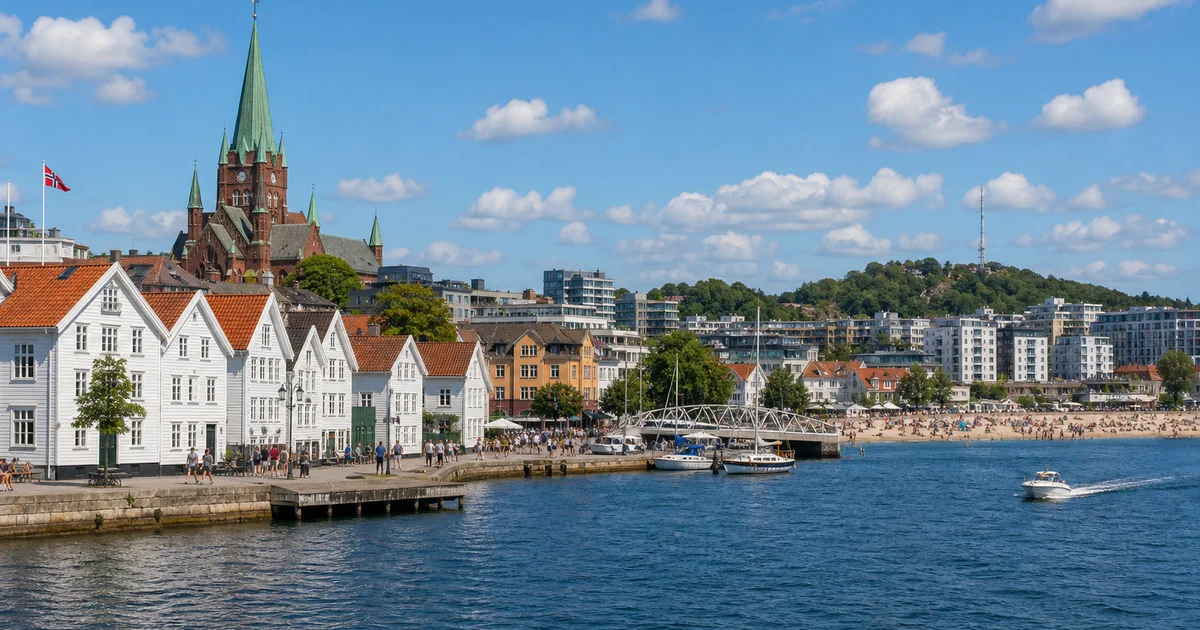
Kristiansand works best as a base in Norway when you anchor days around Posebyen, Bystranda and Fiskebrygga. Use those sights to understand the city's history, street life and visitor rhythm. Kristiansand International Airport handles the main arrival flow, so hotel choice should balance the centre, transfer time and day-trip plans.

Worth seeing
Posebyen
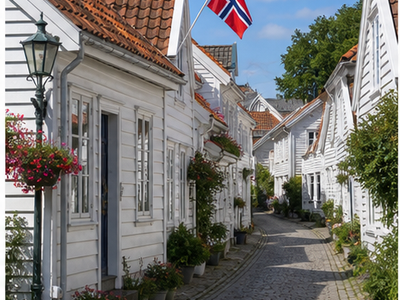
Posebyen is a named stop in Kristiansand worth keeping on the route when it fits the day's transport, timing and neighborhood plan.
View on map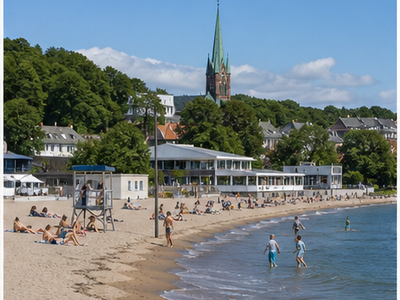
Bystranda
Bystranda is a named stop in Kristiansand worth keeping on the route when it fits the day's transport, timing and neighborhood plan.
View on map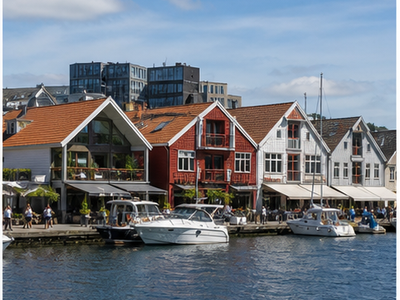
Fiskebrygga
Fiskebrygga is a named stop in Kristiansand worth keeping on the route when it fits the day's transport, timing and neighborhood plan.
View on map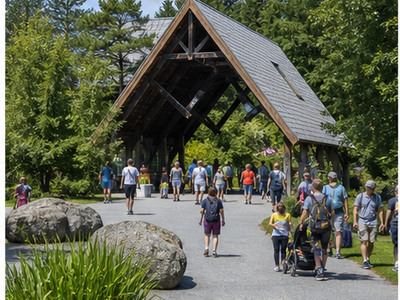
Kristiansand Zoo
Kristiansand Zoo gives Kristiansand a greener or more scenic stop, useful when the route needs views, shade, walking space or a slower hour.
View on map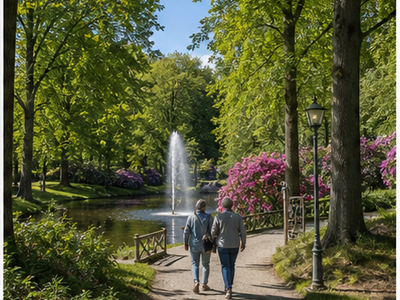
Ravnedalen
Ravnedalen is a named stop in Kristiansand worth keeping on the route when it fits the day's transport, timing and neighborhood plan.
View on map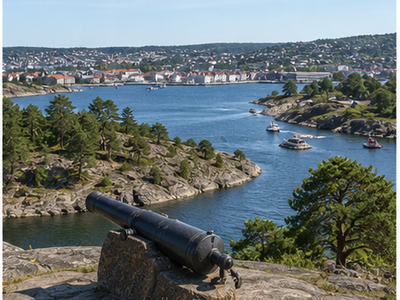
Odderoya
Odderoya is a named stop in Kristiansand worth keeping on the route when it fits the day's transport, timing and neighborhood plan.
View on mapStay overview
Start with City centre for the easiest first Kristiansand stay, then compare Old Town and Waterfront when price, nightlife, quieter evenings or transfer timing matter more than being beside every major sight.
Hotels & areas
Kristiansand hotel choice is mostly about repeat journeys: use City centre for sightseeing, Old Town for a different local base, and Waterfront or Airport area when views, parking, airport timing or longer stays matter.
City centre
City centre is the most practical first base in Kristiansand, keeping main sights, restaurants and short local transfers close.
Best for: first visits, sightseeing, restaurantsSee hotel optionsOld Town
Old Town is the most practical first base in Kristiansand, keeping main sights, restaurants and short local transfers close.
Best for: first visits, sightseeing, restaurantsSee hotel optionsWaterfront
Waterfront suits travellers who want views, evening walks and a calmer base while still keeping central Kristiansand reachable.
Best for: views, quieter evenings, walksSee hotel optionsAirport area
Airport area works mainly for early departures, late arrivals or car pickup, not for a first Kristiansand sightseeing base.
Best for: early flights, late arrivals, car pickupSee hotel optionsFlights & airports
Kristiansand Airport (KRS) arrival plan
- Kristiansand Airport (KRS)About 8 km from the centre
Compare airport access against hotel location, arrival time, rental car pickup, late flights and onward driving before choosing the first night base.
Rental cars
Kristiansand day-trip car use
Do not rent a car for central Kristiansand unless parking and traffic are part of the plan; use one mainly for regional day trips.
Compare rental carsTravel tips
Best base
Choose City centre for a first stay because it keeps main sights, restaurants and practical local movement close.
Airport timing
Leave extra time for Kristiansand International Airport, especially for early flights, late arrivals, traffic or unfamiliar transfer routes.
Local movement
Plan each day in clusters around Posebyen and Bystranda so transfers do not consume the best sightseeing hours.
Day trips
Keep one flexible slot for nearby routes from Kristiansand, checking weather, transport and opening hours before committing.
Nearby ideas
Heritage · about 1 h 15 min · car west on the E39 to Norway's southern tip
Lindesnes Lighthouse
The mainland's southernmost point, with a wartime bunker complex under the lighthouse.
View on mapIsland · about 1 h · car to Høllen, then the Søgne archipelago boat
Ny-Hellesund
A sheltered sound between three islands, used as a harbour since the age of sail.
View on mapHeritage · about 30 min · car north to Grovane, trains run summer Sundays
Setesdalsbanen
A narrow-gauge steam railway running eight kilometres up the Otra valley.
View on mapCity history
A royal centre is thought to have existed at Oddernes before 800, and the church was built around 1040.
In 1635, King Christian IV ordered his feudal seigneur, Palle Rosenkrantz, to move from Nedenes and build a royal palace on the island. Foundation to 1900 Christian IV (renowned for having founded many towns).
In 1666, Christianssand became a garrison town and was heavily fortified.
Christianssand experienced its first fire in 1734, which was devastating to the city.
The City of Kristiansand had a quarantine station for maritime traffic and hospital at Odderøy Island for cholera patients that opened in 1804.
It burned buildings as far as the cathedral, which had been rebuilt in brick after a previous fire in 1880. 1900 onward With the development of hydropower in southern Norway, the city gradually developed.
Another important development during the 19th century was the foundation in 1881 of Eg Sindssygeasyl, the second central psychiatric institution in Norway (after Gaustad).
The most recent major fire, in 1892, left half the original section of the city in ashes.
In the 1980s, industry and business in the city declined, in part because of the 1986 fire at the Hotel Caledonien.
Another important element in the development of Kristiansand was the harbor on the island of Flekkerøy, which was the most important on the Skagerrak beginning in the 16th century and was first fortified under.
Grauthelleren (Grathelleren), located on Fidjane, is believed to be a Stone Age settlement.
Archaeological excavations to the east of Oddernes Church have uncovered rural settlements that existed during the centuries immediately before and after the start of the common era.
Together with a corresponding discovery in Rogaland, these settlements are unique in the Norwegian context; isolated farms, rather than villages, were the norm in ancient Norway.
Before the stone church was built, one or perhaps two wooden post churches are believed to have stood on the same spot.