Forecast
Skopje
Local time--:--
Europe/SkopjeWeather Forecast
Skopje, North MacedoniaOpen-Meteo forecast.
Skopje city overview
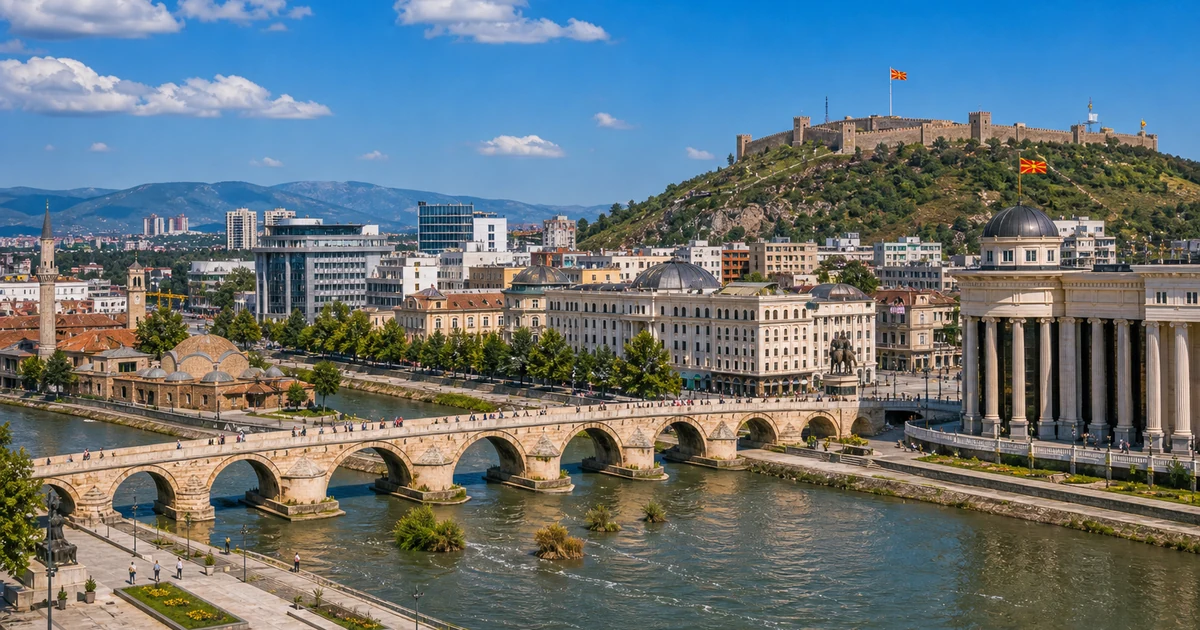
Skopje works best as a base in North Macedonia when you anchor days around Stone Bridge Skopje, Skopje Fortress and Old Bazaar Skopje. Use those sights to understand the city's history, street life and visitor rhythm. Skopje International Airport handles the main arrival flow, so hotel choice should balance the centre, transfer time and day-trip plans.
Worth seeing
Stone Bridge Skopje
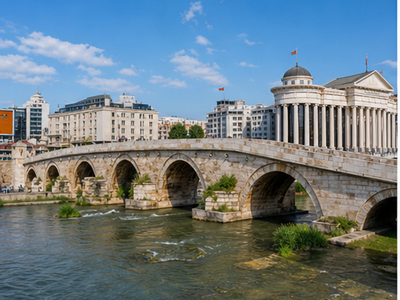
Stone Bridge Skopje is a clear heritage marker in Skopje, best used as a fixed point when grouping nearby streets, monuments and viewpoints.
View on map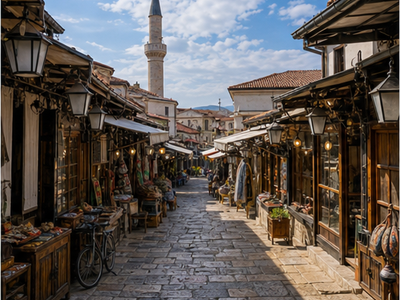
Skopje Fortress
Skopje Fortress is a clear heritage marker in Skopje, best used as a fixed point when grouping nearby streets, monuments and viewpoints.
View on map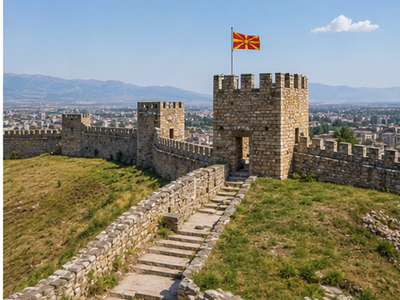
Old Bazaar Skopje
Old Bazaar Skopje gives Skopje a concrete street-life stop, with food, everyday shopping and local movement that helps visitors read the city.
View on map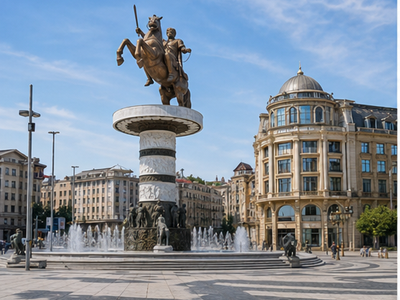
Mother Teresa Memorial House
Mother Teresa Memorial House is a clear heritage marker in Skopje, best used as a fixed point when grouping nearby streets, monuments and viewpoints.
View on map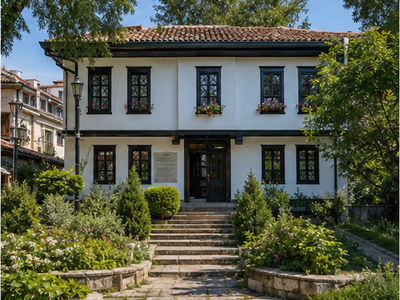
Macedonia Square
Macedonia Square is a clear heritage marker in Skopje, best used as a fixed point when grouping nearby streets, monuments and viewpoints.
View on map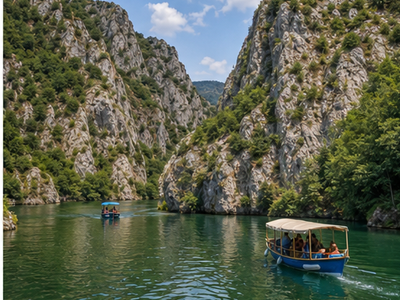
Matka Canyon
Matka Canyon is a named stop in Skopje worth keeping on the route when it fits the day's transport, timing and neighborhood plan.
View on mapStay overview
Start with Centar for the easiest first Skopje stay, then compare Old Bazaar and Debar Maalo when price, nightlife, quieter evenings or transfer timing matter more than being beside every major sight.
Hotels & areas
Skopje hotel choice is mostly about repeat journeys: use Centar for sightseeing, Old Bazaar for a different local base, and Debar Maalo or Karpos when views, parking, airport timing or longer stays matter.
Centar
Centar is useful when a Skopje stay needs more local restaurants, apartment options or quieter nights outside the busiest core.
Best for: local stays, restaurants, quieter nightsSee hotel optionsOld Bazaar
Old Bazaar is the most practical first base in Skopje, keeping main sights, restaurants and short local transfers close.
Best for: first visits, sightseeing, restaurantsSee hotel optionsDebar Maalo
Debar Maalo is useful when a Skopje stay needs more local restaurants, apartment options or quieter nights outside the busiest core.
Best for: local stays, restaurants, quieter nightsSee hotel optionsKarpos
Karpos is useful when a Skopje stay needs more local restaurants, apartment options or quieter nights outside the busiest core.
Best for: local stays, restaurants, quieter nightsSee hotel optionsFlights & airports
Skopje International Airport (SKP) arrival plan
- Skopje International Airport (SKP)About 16 km from the centre
Compare airport access against hotel location, arrival time, rental car pickup, late flights and onward driving before choosing the first night base.
- Priština Adem Jashari International Airport (PRN)About 72 km from the centre
Compare airport access against hotel location, arrival time, rental car pickup, late flights and onward driving before choosing the first night base.
Rental cars
Skopje day-trip car use
Do not rent a car for central Skopje unless parking and traffic are part of the plan; use one mainly for regional day trips.
Compare rental carsTravel tips
Best base
Choose Centar for a first stay because it keeps main sights, restaurants and practical local movement close.
Airport timing
Leave extra time for Skopje International Airport, especially for early flights, late arrivals, traffic or unfamiliar transfer routes.
Local movement
Plan each day in clusters around Stone Bridge Skopje and Skopje Fortress so transfers do not consume the best sightseeing hours.
Day trips
Keep one flexible slot for nearby routes from Skopje, checking weather, transport and opening hours before committing.
Nearby ideas
Nature · about 1 h 15 min · coach south-west from Skopje bus station
Lake Ohrid day trip
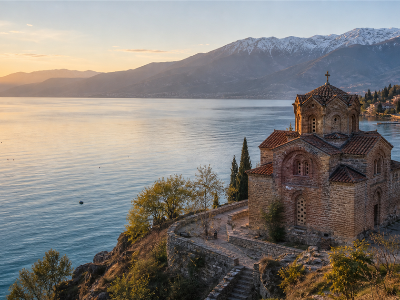
One of Europe's oldest lakes, with the cliff church of St John at Kaneo above it.
View on mapMountain · about 30 min · bus 25 then the Vodno cable car
Vodno and the Millennium Cross
A 66-metre cross on the mountain above the city, lit at night and visible from everywhere.
View on mapUpcoming events
No upcoming Skopje events in the shared event index yet.
City history
In 395, following the division of the Roman Empire into two, Scupi became part of the Eastern Roman Empire.
In 518, Scupi was destroyed by a violent earthquake, possibly the most devastating the town had ever experienced.
It served as the Bulgarian capital from 972 to 992, and Tsar Samuel ruled it from 976 until 1004, when its governor surrendered it to Byzantine Emperor Basil the Bulgar Slayer in 1004 in.
Kaloyan brought Skopje back into the re-established Second Bulgarian Empire in 1203 until his nephew Strez declared autonomy along the Upper Vardar with Serbian aid only five years later.
The Stone Bridge, "one of the most imposing stone bridges to be found in Yugoslavia", was built under the patronage of Sultan Mehmed II the Conqueror between 1451 and 1469.
Mustafa Pasha Mosque, built in 1492, is reputed to be "one of the most resplendent sacral Islamic buildings in the Balkans." In 1535 all churches were demolished by decree of the Ottoman governor.
During the Tanzimat reforms, nationalism arose in the Ottoman Empire and in 1870 a new Bulgarian Exarchate was established and its separate diocese was created, based on ethnic identity, rather than religious principles.
After the end of the World War, Vardar Macedonia became part of the new Kingdom of Serbs, Croats, and Slovenes, which became "Kingdom of Yugoslavia" in 1929.
Skopje became the capital city of the newly proclaimed Democratic Federal Macedonia as set up by the ASNOM on 2 August 1944 in the Bulgarian occupation zone in Yugoslavia.
In the 14th century, Skopje became such an important city that King Stefan Dušan made it the capital of the Serbian Empire.
The first church was founded under the reign of Emperor Constantine the Great and Scupi became the seat of a diocese.
Under the political stability of the Nemanjić rule, the settlement spread outside the walls of the fortress, towards Gazi Baba hill.
Churches, monasteries and markets were built and tradesmen from the Republic of Venice and Dubrovnik opened shops.
The railway station was built south of the Vardar and this contributed to the relocation of economic activities on that side of the river, which had never been urbanised before.