Forecast
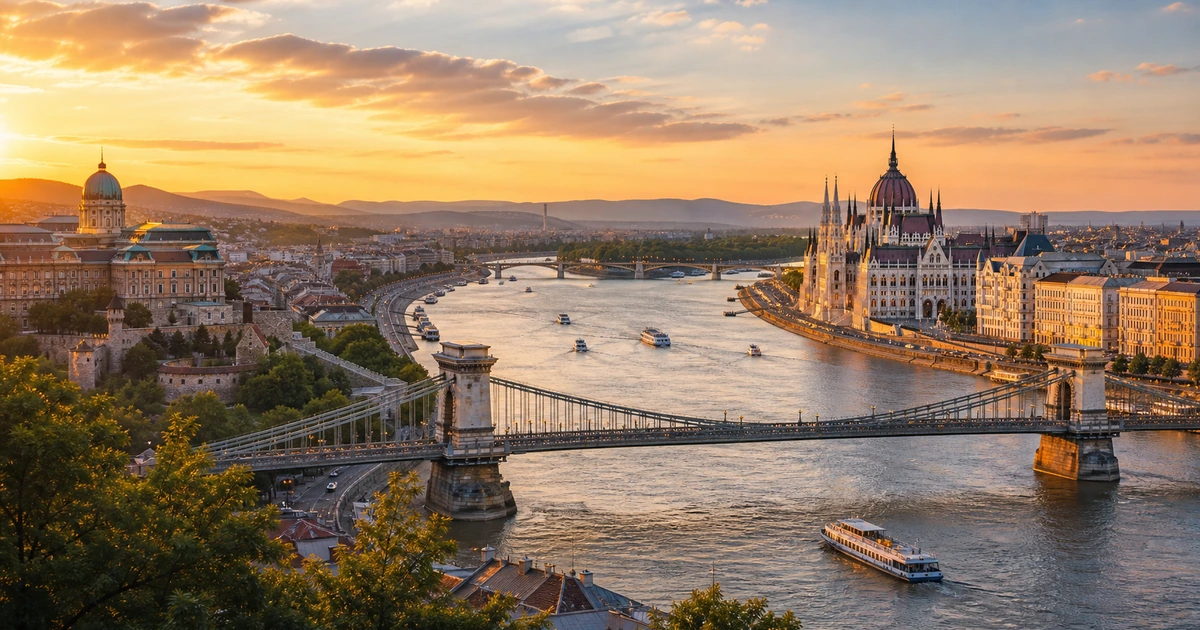
Budapest
Local time--:--
Europe/BudapestWeather Forecast
Budapest, HungaryOpen-Meteo forecast.
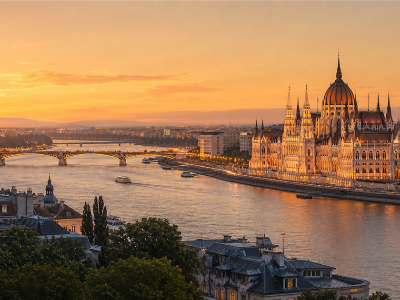
Budapest city overview
Budapest is a Danube capital of thermal baths, grand cafes, ruin bars and hilltop views. Start at Buda Castle, cross the Chain Bridge area, then plan Parliament, the Jewish Quarter and Széchenyi Thermal Bath across different parts of the city. Budapest Airport is southeast of town, with bus and taxi transfers into the centre.
Worth seeing
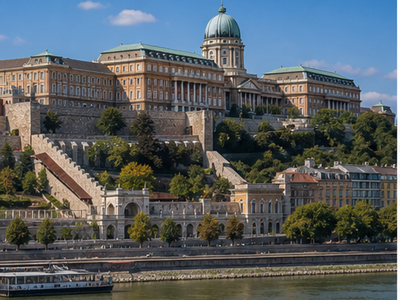
Buda Castle
Buda Castle is a clear heritage marker in Budapest, best used as a fixed point when grouping nearby streets, monuments and viewpoints.
View on map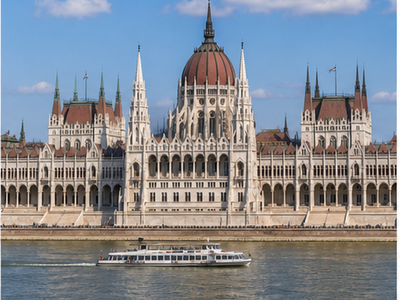
Hungarian Parliament Building
Hungarian Parliament Building is a named stop in Budapest worth keeping on the route when it fits the day's transport, timing and neighborhood plan.
View on map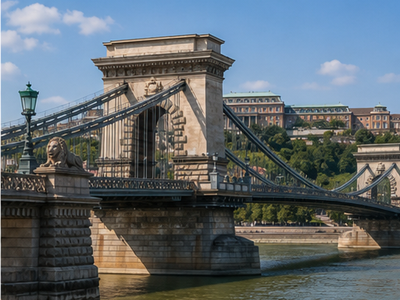
Széchenyi Thermal Bath
Széchenyi Thermal Bath is a named stop in Budapest worth keeping on the route when it fits the day's transport, timing and neighborhood plan.
View on map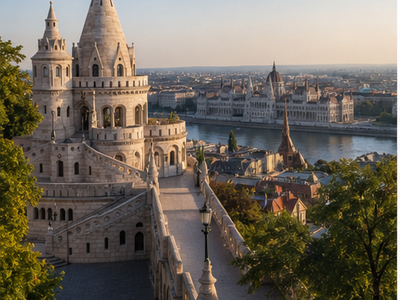
Jewish Quarter
Jewish Quarter gives Budapest a strong culture stop for museums, exhibitions or local collections, and works best as an indoor anchor in the day's route.
View on map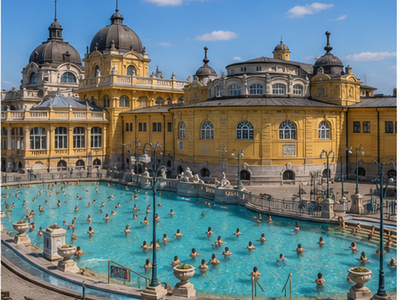
Chain Bridge
Chain Bridge is a clear heritage marker in Budapest, best used as a fixed point when grouping nearby streets, monuments and viewpoints.
View on map
Great Market Hall
Great Market Hall is the main historic food market, useful for paprika, produce and a quick local-food stop.
View on mapStay overview
District V is the easiest first base, the Jewish Quarter is best for nightlife, Buda Castle District is quieter and scenic, and Terézváros balances culture, transport and hotel choice.
Hotels & areas
Budapest is split by the Danube. Pest is usually better for restaurants and nightlife, while Buda suits views and calmer historic stays if you accept more climbing or transit.
District V
District V is the central Pest base for Parliament, river walks, shopping streets and classic first visits.
Best for: first visits, river walks, shoppingSee hotel optionsJewish Quarter
The Jewish Quarter is lively, with ruin bars, restaurants, synagogues and strong nightlife access.
Best for: nightlife, food, barsSee hotel optionsBuda Castle District
Buda Castle District is quieter and historic, with views and atmosphere but fewer late-night options.
Best for: views, history, quiet staysSee hotel optionsTerézváros
Terézváros suits Opera, Andrassy Avenue, transport and a balance of hotels and local streets.
Best for: transport, culture, hotelsSee hotel optionsFlights & airports
Budapest Liszt Ferenc International Airport (BUD) arrival plan
- Budapest Liszt Ferenc International Airport (BUD)About 18 km from the centre
Compare airport access against hotel location, arrival time, rental car pickup, late flights and onward driving before choosing the first night base.
Rental cars
Budapest day-trip car use
Do not rent for Budapest; public transport, walking and trains are better for the city and common day trips.
Compare rental carsTravel tips
Best base
Choose District V for a first visit, or the Jewish Quarter if ruin bars and restaurants are the focus.
Baths
Keep the Budapest plan compact: group nearby sights together and leave enough time for transfers, meals and weather changes.
Transit
Use BKK passes for metro, trams and buses; tram rides along the Danube are especially useful.
Day trip
Keep one side-trip day flexible from Budapest, then choose it only after checking transport frequency and opening hours.
Nearby ideas
Town · about 40 min · HÉV suburban train H5 from Batthyány tér
Szentendre
A Serbian Orthodox river town of ochre houses, galleries and the Hungarian open-air museum nearby.
View on mapHeritage · about 1 h 15 min · bus from Újpest-Városkapu, or Danube boat in summer
Visegrád
A citadel on the Danube Bend with the river curving below it and a ruined summer palace at the foot.
View on mapHeritage · about 45 min · HÉV suburban train H8 from Örs vezér tere
Gödöllő Royal Palace
Empress Sisi's favourite residence, the largest baroque palace in Hungary, with her private rooms kept.
View on mapUpcoming events
City history
The Roman settlement – Aquincum – became the main city of Pannonia Inferior in 106 AD.
In 1361 it became the capital of Hungary.
After the foundation of the first Hungarian university in Pécs in 1367 (University of Pécs), the second one was established in Óbuda in 1395 (University of Óbuda).
In the 1699 Treaty of Karlowitz, these territorial changes were officially recognized as the end of the rule of the Turks, and in 1718 the entire Kingdom of Hungary was removed from Ottoman rule.
The national insurrection against the Habsburgs began in the Hungarian capital in 1848 and was defeated one and a half years later, with the help of the Russian Empire.
Between 1851 and 1910 the proportion of Hungarians increased from 35.6% to 85.9%, Hungarian became the dominant language, and German was crowded out.
In 1944, a year before the end of World War II, Budapest was partly destroyed by British and American air raids (first attack 4 April 1944).
Work on Erzsébet Bridge, the last to be rebuilt, was finished in 1964.
In the early 1970s, Budapest Metro's east–west M2 line was first opened, followed by the M3 line in 1976.
Andrássy Avenue (including the Millennium Underground Railway, Hősök tere, and Városliget) was added to the UNESCO list in 2002.
Buda was probably the name of the first constable of the fortress built on the Castle Hill in the 11th century or a derivative of Bod or Bud, a personal name of Turkic origin.
Budapest also became an important center for the Aromanian diaspora during the 19th century.
The new Communist government considered the buildings like the Buda Castle symbols of the former regime, and during the 1950s the palace was gutted and all the interiors were destroyed (also see Stalin era).
It was this compromise which opened the second great phase of development in the history of Budapest, lasting until World War I.