Forecast
Athens
Local time--:--
Europe/AthensWeather Forecast
Athens, GreeceOpen-Meteo forecast.
Athens city overview
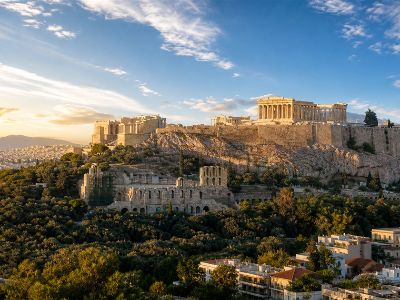
Athens is a layered capital where ancient ruins, dense neighbourhoods and rooftop views sit under the Acropolis. Start at the Acropolis and Plaka, visit the Acropolis Museum, then use Monastiraki or Syntagma as anchors for food and transport. Athens International Airport connects by metro, suburban rail, buses and taxis.
Worth seeing
Acropolis
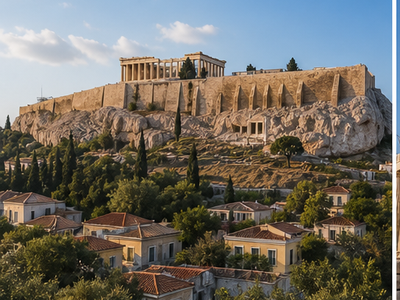
Acropolis is a named stop in Athens worth keeping on the route when it fits the day's transport, timing and neighborhood plan.
View on map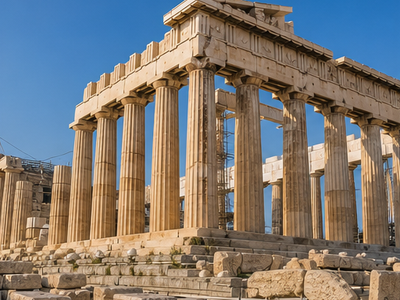
Acropolis Museum
Acropolis Museum gives Athens a strong culture stop for museums, exhibitions or local collections, and works best as an indoor anchor in the day's route.
View on map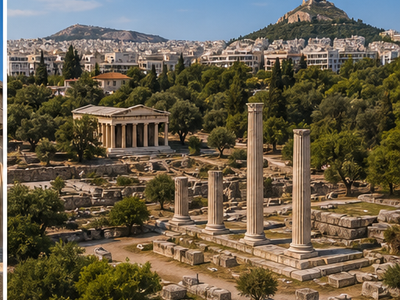
Plaka
Plaka is a named stop in Athens worth keeping on the route when it fits the day's transport, timing and neighborhood plan.
View on map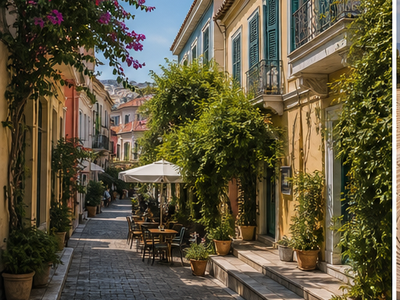
Monastiraki
Monastiraki is a named stop in Athens worth keeping on the route when it fits the day's transport, timing and neighborhood plan.
View on map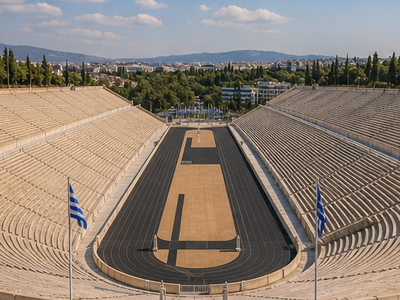
Syntagma Square
Syntagma Square is a clear heritage marker in Athens, best used as a fixed point when grouping nearby streets, monuments and viewpoints.
View on map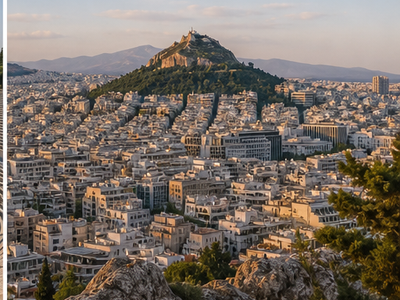
National Archaeological Museum
National Archaeological Museum gives Athens a strong culture stop for museums, exhibitions or local collections, and works best as an indoor anchor in the day's route.
View on mapStay overview
Plaka is best for a first historic stay, Syntagma for transport, Monastiraki for markets and nightlife, and Koukaki for calmer apartment stays near the Acropolis Museum.
Hotels & areas
Athens is hot and hilly, so location matters. Stay near metro and the sights you care about most, then use taxis or transit for longer cross-city moves.
Plaka
Plaka is the classic first base, with old lanes, restaurants and easy walks to the Acropolis.
Best for: first visits, history, restaurantsSee hotel optionsSyntagma
Syntagma is practical for metro, airport links, shopping and quick access to central sights.
Best for: transport, shopping, short staysSee hotel optionsMonastiraki
Monastiraki is lively and central, with markets, rooftop bars and strong metro connections.
Best for: nightlife, markets, metroSee hotel optionsKoukaki
Koukaki is calmer, close to the Acropolis Museum and good for apartment stays.
Best for: apartments, museums, quieter nightsSee hotel optionsFlights & airports
Athens Eleftherios Venizelos International Airport (ATH) arrival plan
- Athens Eleftherios Venizelos International Airport (ATH)About 20 km from the centre
Compare airport access against hotel location, arrival time, rental car pickup, late flights and onward driving before choosing the first night base.
Rental cars
Athens day-trip car use
Do not rent for Athens; use a car only when leaving for mainland archaeology sites or beaches.
Compare rental carsTravel tips
Best base
Choose the Athens base by repeat journeys: sights, evening food, station access and the airport transfer should all still work.
Heat
Keep the Athens plan compact: group nearby sights together and leave enough time for transfers, meals and weather changes.
Airport
Check the route from Athens International Airport (ATH) before choosing between a central hotel and an airport-area first night in Athens.
Day trip
Keep one side-trip day flexible from Athens, then choose it only after checking transport frequency and opening hours.
Nearby ideas
Heritage · about 1 h 15 min · KTEL coastal bus from Pedion tou Areos
Cape Sounion
The Temple of Poseidon on a headland, built to be seen from the sea; go for sunset.
View on mapIsland · about 40 min · fast ferry from Piraeus
Aegina
The nearest island escape, with the Temple of Aphaia and pistachio stalls along the quay.
View on mapHeritage · about 50 min · KTEL bus from Pedion tou Areos
Marathon
The burial mound of the Athenians who fell in 490 BC, beside the lake and the race's start line.
View on mapMountain · about 50 min · bus 714 from Acharnai, then the cable car
Mount Parnitha National Park
Fir forest and limestone caves above the city, with red deer and a 1,400-metre summit.
View on mapUpcoming events
City history
Athens has been continuously inhabited for at least 5,000 years (3000 BC).
However, Athens, like many other Bronze Age settlements, went into economic decline for around 150 years afterwards.
395–410) in 396, however, dealt a heavy blow to the city's fabric and fortunes, and Athens was henceforth confined to a small fortified area that embraced a fraction of the ancient city.
By 1400 BC, the settlement had become an important centre of the Mycenaean civilisation, and the Acropolis was the site of a major Mycenaean fortress, whose remains can be recognised from sections of the.
In 1687, during the Morean War, the Acropolis was besieged by the Venetians under Francesco Morosini, and the temple of Athena Nike was dismantled by the Ottomans to fortify the Parthenon.
The Ottoman forces remained in possession until March 1833, when they withdrew. Capital of modern Greece Following the Greek War of Independence and the establishment of the Greek Kingdom, Athens was chosen to replace.
The decades that followed became known as the Golden Age of the Athenian democracy, during which time Athens became the leading city of Ancient Greece, with its cultural achievements laying the foundations for Western.
The Empire became Christianised, and the use of Latin declined in favour of exclusive use of Greek; in the Roman imperial period, both languages had been used.
As the empire became increasingly anti-pagan, Athens became a provincial town and experienced fluctuating fortunes.
In the great dispute over Byzantine Iconoclasm, Athens is commonly held to have supported the iconophile position, chiefly due to the role played by Empress Irene of Athens in the ending of the first.
The Agora (marketplace) had been deserted since late antiquity, began to be built over, and soon the town became an important centre for the production of soaps and dyes.
Almost all of the most important Middle Byzantine churches in and around Athens were built during these two centuries, and this reflects the growth of the town in general.
Along with rest of Byzantine Greece, Athens was part of the series of feudal fiefs, similar to the Crusader states established in Syria and on Cyprus after the First Crusade.
The first modern city plan consisted of a triangle defined by the Acropolis, the ancient cemetery of Kerameikos and the new palace of the Bavarian king (now housing the Greek Parliament), so as to.