Forecast
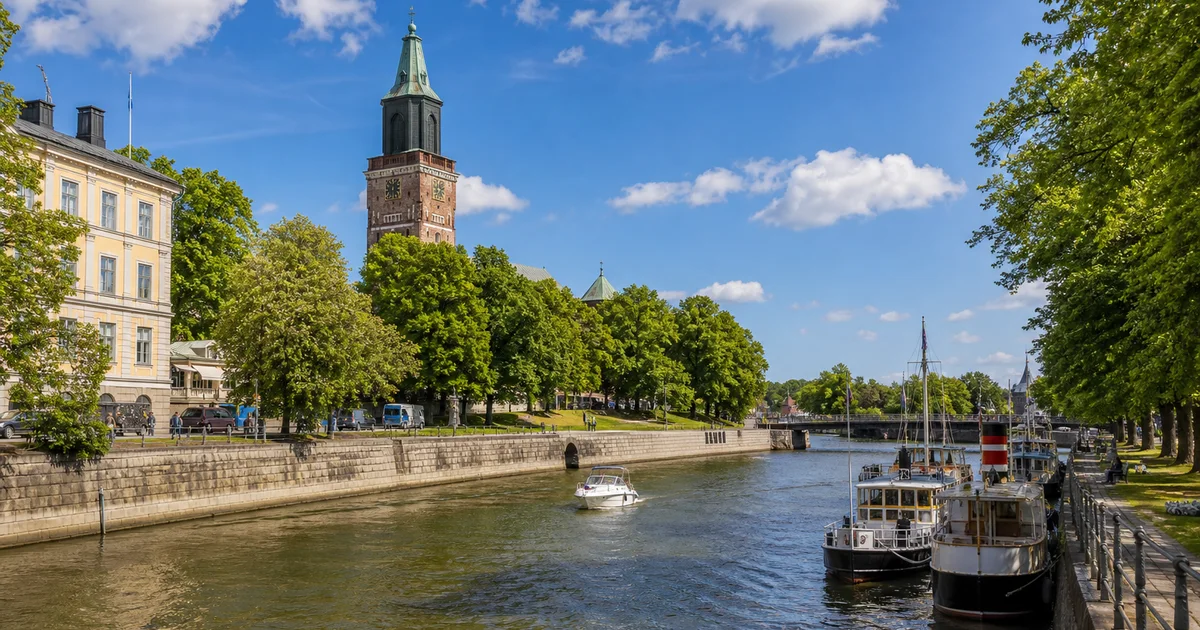
Turku
Local time--:--
Europe/HelsinkiWeather Forecast
Turku, FinlandOpen-Meteo forecast.
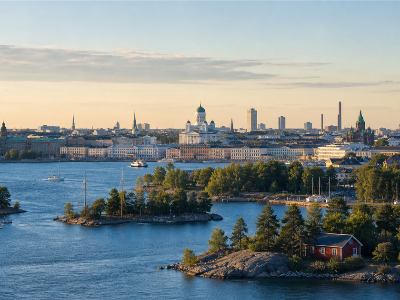
Turku city overview
Turku is Finland's old capital, a river city with medieval history, ferries and archipelago access. Start at Turku Castle, follow the Aura River to Turku Cathedral, then add Forum Marinum or a summer trip toward Ruissalo. Turku Airport is close, while trains and ferries make the city a practical southwest Finland base.
Worth seeing
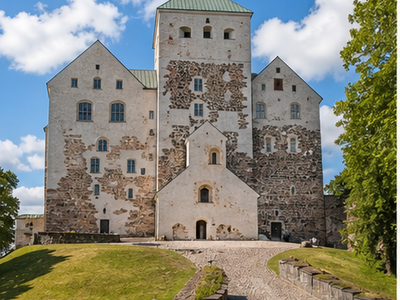
Turku Castle
Turku Castle is a clear heritage marker in Turku, best used as a fixed point when grouping nearby streets, monuments and viewpoints.
View on map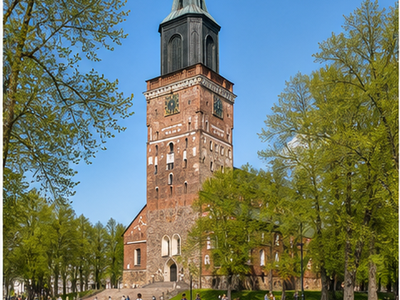
Turku Cathedral
Turku Cathedral is one of Turku's religious landmarks; check visiting hours and dress expectations before building the route around it.
View on map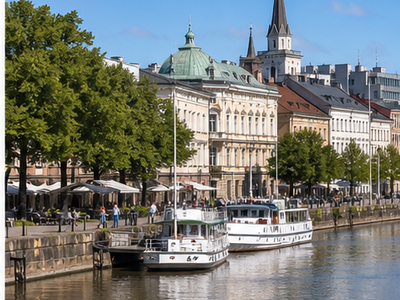
Aura River
Aura River adds the water-facing side of Turku, making it a good break from museums, traffic and dense historic streets.
View on map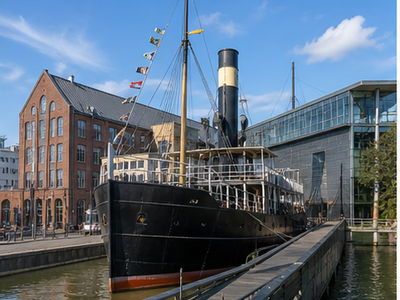
Forum Marinum
Forum Marinum is a named stop in Turku worth keeping on the route when it fits the day's transport, timing and neighborhood plan.
View on map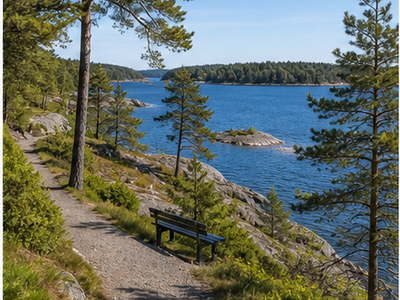
Ruissalo
Ruissalo is a named stop in Turku worth keeping on the route when it fits the day's transport, timing and neighborhood plan.
View on map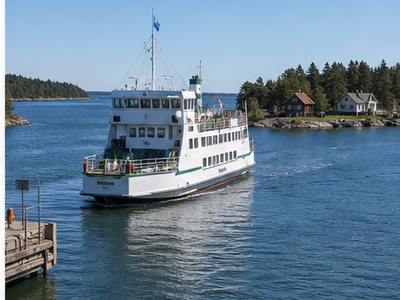
Archipelago Trail
Archipelago Trail is a clear heritage marker in Turku, best used as a fixed point when grouping nearby streets, monuments and viewpoints.
View on mapStay overview
Stay in Turku centre for restaurants and transport, along the Aura riverside for summer atmosphere, near the port for ferries and the castle, or Ruissalo for nature-focused slower stays.
Hotels & areas
Turku is easiest around the river and centre. Port hotels suit ferry logistics, riverside stays are best in summer, and Ruissalo works when beaches, villas and green space matter more than nightlife.
Turku centre
The centre is best for first stays, restaurants, shops, the market square and river walks.
Best for: first visits, restaurants, walkingSee hotel optionsAura riverside
Aura riverside suits summer terraces, museums, walking routes and easy access between cathedral and castle.
Best for: river walks, summer, museumsSee hotel optionsPort area
The port area is practical for ferry departures, Turku Castle and maritime museum visits.
Best for: ferries, castle, maritime historySee hotel optionsRuissalo
Ruissalo is greener and quieter, useful for villas, beaches, nature and summer events.
Best for: nature, beaches, quiet staysSee hotel optionsFlights & airports
Turku Airport (TKU) arrival plan
- Turku Airport (TKU)About 7 km from the centre
Compare airport access against hotel location, arrival time, rental car pickup, late flights and onward driving before choosing the first night base.
Rental cars
Turku day-trip car use
A car helps for the Archipelago Trail, but central Turku, ferries and buses cover most short visits.
Compare rental carsTravel tips
Best base
Choose the centre or Aura riverside if you want restaurants, museums and evening walks close together.
Ferries
Keep the Turku plan compact: group nearby sights together and leave enough time for transfers, meals and weather changes.
Summer
Keep the Turku plan compact: group nearby sights together and leave enough time for transfers, meals and weather changes.
Day trip
Keep one side-trip day flexible from Turku, then choose it only after checking transport frequency and opening hours.
Nearby ideas
Town · about 30 min · bus 6 or 7 west from Turku
Naantali
A wooden old town and the Moomin island, with the president's summer residence on the shore.
View on mapNature · about 45 min · car north on Route 204 towards Nousiainen
Kurjenrahka National Park
Duckboards over open bog and old-growth forest, with a lake you can swim in at Savojärvi.
View on mapIsland · about 40 min · bus 801 south from Turku
Pargas and the island road
The first stop on the archipelago road, with a limestone quarry 60 metres deep.
View on mapCity history
Early literary sources such as Al-Idrisi's world map from 1154 mention Turku. Swedish era According to the permission granted by Pope Gregory IX on 23 January 1229, the episcopal seat was moved from Nousiainen.
At the beginning of the 16th century, in connection with the disputes of the Kalmar Union, the Danes destroyed the city twice, in 1509 under the leadership of Admiral Otte Rud and in 1522.
In 1640, the first university in Finland, the Royal Academy of Turku, was founded in Turku by order of Queen Christina.
The government offices that remained in Turku were finally moved to the new capital after the Great Fire of Turku, which destroyed a large portion of the city in 1827.
In the middle of the 19th century, Turku was, after Helsinki, the most important craft city in Finland, but the Industrial Revolution with steam and electric machines was experienced in Turku only around 1900.
In the 11th century, the Turku region began to develop as a port.
Some cemeteries were utilized during the initial migratory phase, while some were solely utilized during the Viking Age, and others were established in the 12th century.
In the 14th century, two-thirds of the city's burghers were German, but gradually the proportion of domestic burghers increased.
There is nothing to suggest that the actual city of Turku still existed at this point; however, the city was not founded on uninhabited land, but there were fields and probably also a peasant.
Even if Turku had no official capital status, it was for a long time the most important city in Finland as part of the trade and shipping of the Hanseatic League.
Turku became briefly the official capital, but soon lost the status to Helsinki, as Emperor Alexander I felt that Turku was too far from Russia and too aligned with Sweden to serve as the.
After the fire, a new and safer city plan was drawn up by German architect Carl Ludvig Engel, who had also designed the new capital, Helsinki.
The First World War provided a boost to the city's industry, as the export difficulties affected the wood industry, which Turku didn't have much of, and it was easy to get much-needed raw materials.
Two years later, the Finnish-language University of Turku was founded alongside it.