Forecast
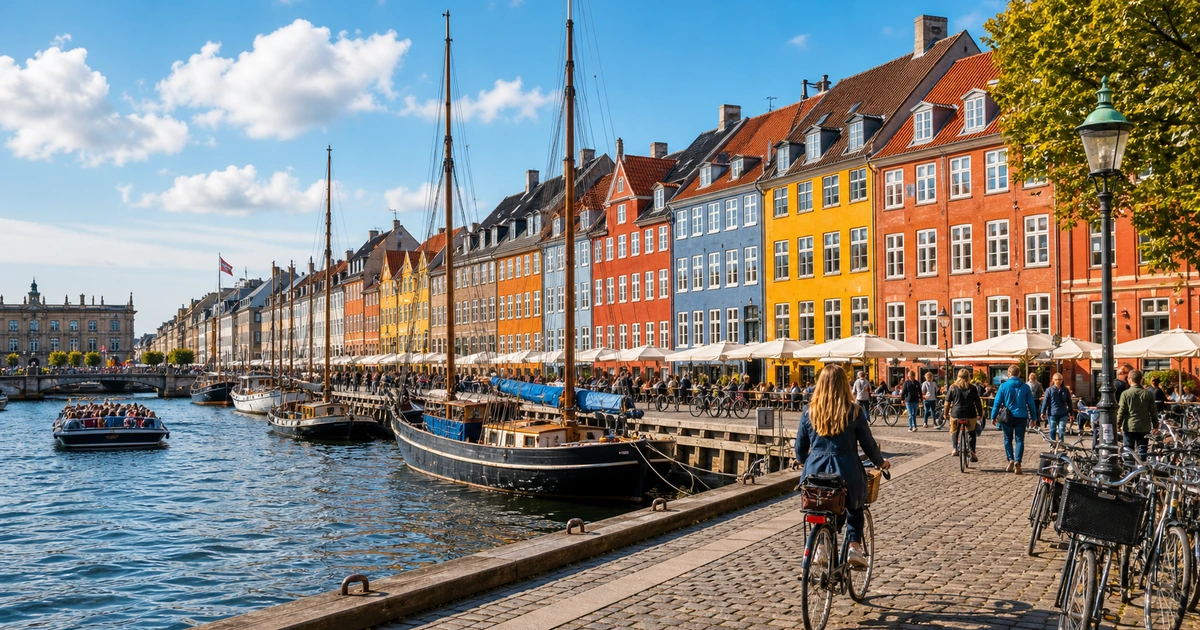
Copenhagen
Local time--:--
Europe/CopenhagenWeather Forecast
Copenhagen, DenmarkOpen-Meteo forecast.
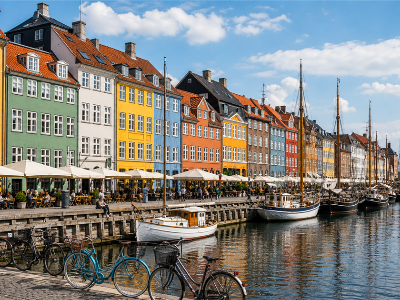
Copenhagen city overview
Copenhagen is Denmark's harbour capital, known for bikes, design, food and easy water-level sightseeing. Start at Nyhavn, spend an evening in Tivoli Gardens, then link Christiansborg Palace, Rosenborg Castle and the harbour baths by metro or bike. Copenhagen Airport is directly connected by metro and rail, making arrivals fast.

Worth seeing
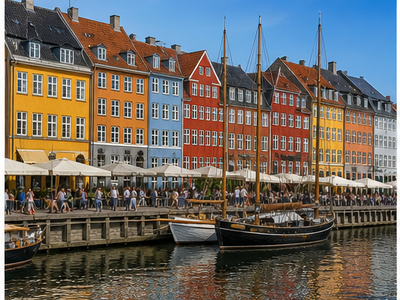
Nyhavn
Nyhavn is a named stop in Copenhagen worth keeping on the route when it fits the day's transport, timing and neighborhood plan.
View on map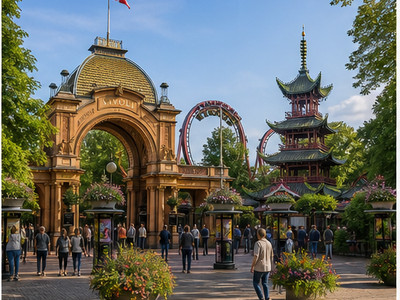
Tivoli Gardens
Tivoli Gardens is the classic amusement park beside the central station, strongest after dark when lights come on.
View on map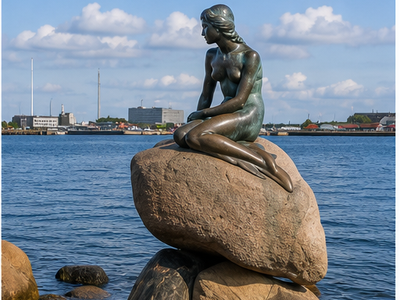
The Little Mermaid
The Little Mermaid is a named stop in Copenhagen worth keeping on the route when it fits the day's transport, timing and neighborhood plan.
View on map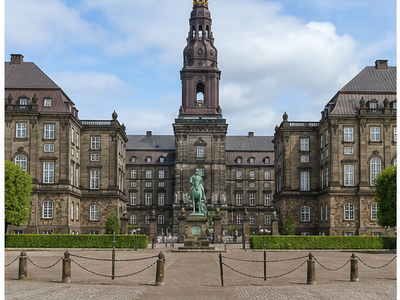
Christiansborg Palace
Christiansborg Palace is a clear heritage marker in Copenhagen, best used as a fixed point when grouping nearby streets, monuments and viewpoints.
View on map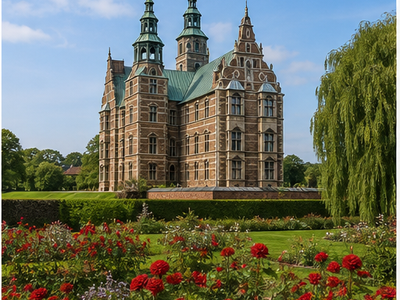
Rosenborg Castle
Rosenborg Castle is a clear heritage marker in Copenhagen, best used as a fixed point when grouping nearby streets, monuments and viewpoints.
View on map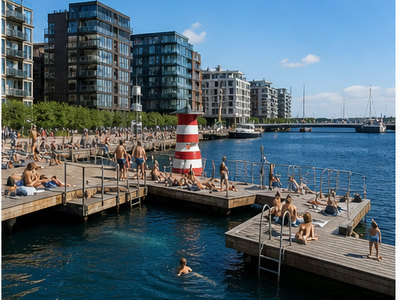
Copenhagen harbour baths
Copenhagen harbour baths adds the water-facing side of Copenhagen, making it a good break from museums, traffic and dense historic streets.
View on mapStay overview
Indre By is the classic first base, Vesterbro suits food and nightlife near the station, Nørrebro gives a more local and better-value stay, and Christianshavn is ideal for canals and harbour walks.
Hotels & areas
Copenhagen is easy by metro, bike and harbour routes. Central hotels are convenient but pricey, while Vesterbro, Nørrebro and Christianshavn often give stronger neighbourhood character and better evenings.
Indre By
Indre By is the historic centre, best for first visits near Nyhavn, shopping streets and major royal sights.
Best for: first visits, landmarks, shoppingSee hotel optionsVesterbro
Vesterbro has restaurants, nightlife, the central station and meatpacking-district energy close to Tivoli.
Best for: nightlife, food, stationSee hotel optionsNørrebro
Nørrebro is diverse and lively, with casual food, bars, parks and better value than the old centre.
Best for: food, nightlife, valueSee hotel optionsChristianshavn
Christianshavn offers canals, harbour walks and easy access to Christiania and the opera side of the city.
Best for: canals, waterfront, atmosphereSee hotel optionsFlights & airports
Copenhagen Kastrup Airport (CPH) arrival plan
- Copenhagen Kastrup Airport (CPH)About 9 km from the centre
Compare airport access against hotel location, arrival time, rental car pickup, late flights and onward driving before choosing the first night base.
Rental cars
Copenhagen day-trip car use
Do not rent for Copenhagen; bikes, metro, trains and walking are much easier than parking.
Compare rental carsTravel tips
Best base
Choose Indre By for a first short stay, or Vesterbro if food, nightlife and station access matter more.
Airport metro
The airport metro runs directly into central areas, so taxis are rarely necessary unless carrying heavy luggage.
Cycling
Rent a bike only if you are confident in busy cycle lanes; otherwise use metro and harbour buses.
Day trip
Keep one side-trip day flexible from Copenhagen, then choose it only after checking transport frequency and opening hours.
Nearby ideas
Heritage · about 40 min · coastal train from København H to Humlebæk
Louisiana Museum of Modern Art
Modern art in low pavilions stepping down to the Øresund, with a sculpture park facing Sweden.
View on mapHeritage · about 50 min · coastal train to Helsingør
Kronborg Castle
Hamlet's Elsinore, a Renaissance fortress guarding the narrowest point of the sound.
View on mapHeritage · about 25 min · regional train from København H
Roskilde and the Viking Ship Museum
Five scuttled Viking ships raised from the fjord, and a yard where replicas are still built.
View on mapHeritage · about 40 min · S-train line E from København H to Hillerød
Frederiksborg Castle
A Renaissance castle on three islets holding the Museum of National History, with a baroque garden behind.
View on map
City history
Traditionally, Copenhagen's founding has been dated to Bishop Absalon's construction of a modest fortress on the little island of Slotsholmen in 1167 where Christiansborg Palace stands today.
Defensive ramparts and moats were completed, and by 1177 St.
In 1254, it received a city charter under Bishop Jakob Erlandsen who garnered support from the local fishing merchants against the king by granting them special privileges.
With the establishment of the Kalmar Union (1397–1523) between Denmark, Norway and Sweden, by about 1416 Copenhagen had emerged as the capital of Denmark when Eric of Pomerania moved his seat to Copenhagen Castle.
The University of Copenhagen was inaugurated on 1 June 1479 by King Christian I, following approval from Pope Sixtus IV.
It was successfully besieged in 1523 by the forces of Frederik I, who supported Lutheranism.
Originally controlled by the Catholic Church, the university's role in society was forced to change during the Reformation in Denmark in the late 1530s. 16th and 17th centuries Before the Reformation of 1536, the.
In 1733, work began on the royal residence of Christiansborg Palace, completed in 1745.
After the fire of 1794 destroyed Christiansborg and a 1795 fire seriously damaged the city, work began on the classical Copenhagen landmark of Højbro Plads while Nytorv and Gammel Torv were converged. 19th century.
An important development for the city was the opening of the Copenhagen Metro railway system in 2002.
The earliest written mention of the town was in the 12th century when Saxo Grammaticus in Gesta Danorum referred to it as Portus Mercatorum, meaning "Merchants' Harbour" or, in the Danish of the time.
On his initiative, in the early 17th century, two important buildings were completed on Slotsholmen: the Tøjhus Arsenal and Børsen, the stock exchange.
Attacks by the Wends continued, and after the original fortress was eventually destroyed by the marauders, islanders replaced it with Copenhagen Castle.
The city was also struck by two major fires that destroyed much of its infrastructure.