Forecast
Vienna
Local time--:--
Europe/ViennaWeather Forecast
Vienna, AustriaOpen-Meteo forecast.
Vienna city overview
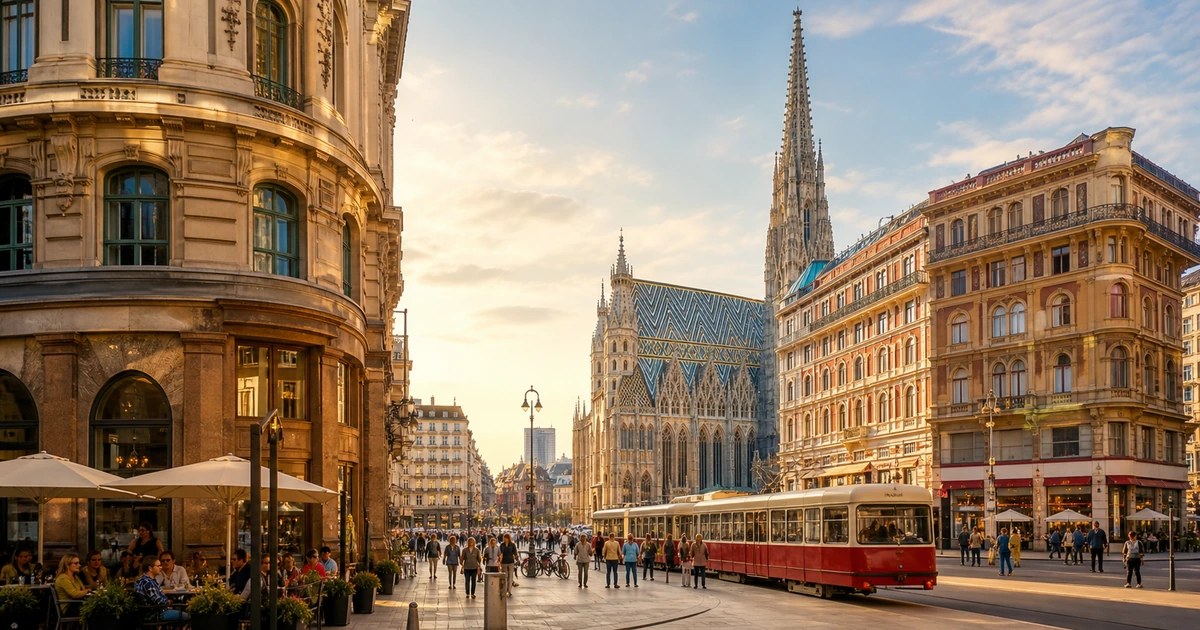
Vienna is a grand but easy city of imperial palaces, coffeehouses and efficient trams. Start with St. Stephen's Cathedral in the Innere Stadt, spend half a day at Schonbrunn Palace, then pair the Hofburg with MuseumsQuartier or Belvedere. Vienna International Airport links smoothly to the centre, making the city simple for rail and flight arrivals.
Worth seeing
Schonbrunn Palace
Schonbrunn Palace is the former Habsburg summer residence, with state rooms, gardens and a long park axis west of the centre.
View on map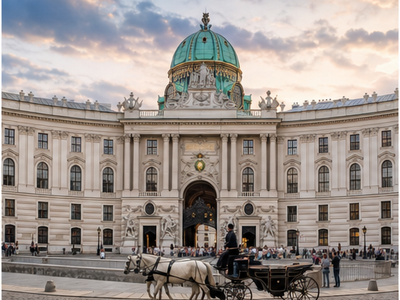
St. Stephen's Cathedral
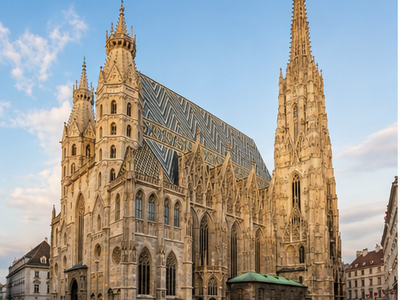
St. Stephen's Cathedral is one of Vienna's religious landmarks; check visiting hours and dress expectations before building the route around it.
View on map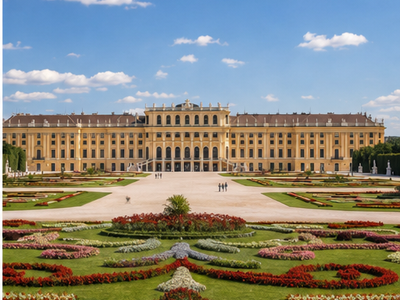
Hofburg
The Hofburg anchors imperial Vienna with museums, courtyards, the Spanish Riding School and state buildings inside the Ringstrasse.
View on map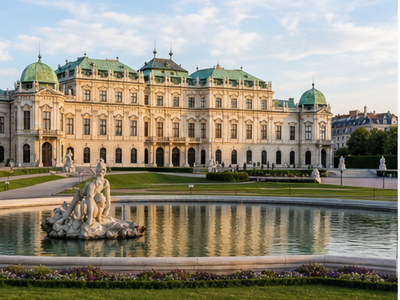
Belvedere
Belvedere is a named stop in Vienna worth keeping on the route when it fits the day's transport, timing and neighborhood plan.
View on map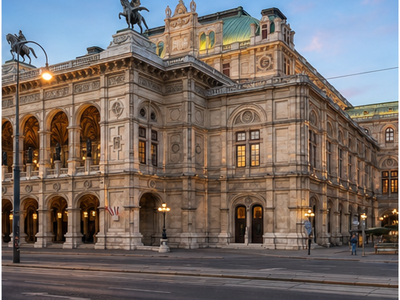
Prater
Prater is a named stop in Vienna worth keeping on the route when it fits the day's transport, timing and neighborhood plan.
View on map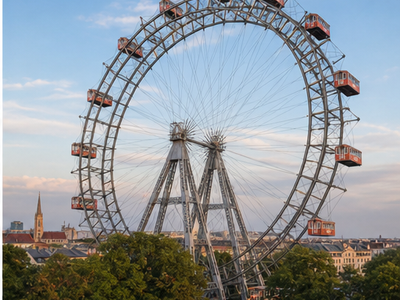
MuseumsQuartier
MuseumsQuartier gives Vienna a strong culture stop for museums, exhibitions or local collections, and works best as an indoor anchor in the day's route.
View on mapStay overview
Stay in the Innere Stadt for classic sightseeing, Leopoldstadt for better value and Prater access, Wieden for the main station and Belvedere, or Neubau for MuseumsQuartier, restaurants and a less formal evening base.
Hotels & areas
Vienna's U-Bahn and tram network make hotel choice forgiving. Pay more for the Innere Stadt, look to Leopoldstadt for family value, Wieden for rail convenience, and Neubau for culture-led city breaks.
Innere Stadt
The first district keeps St. Stephen's Cathedral, the Hofburg and major museums within short walks, but hotel prices run high.
Best for: first visits, luxury, walkingSee hotel optionsLeopoldstadt
Leopoldstadt sits across the Danube Canal with Prater access, good transit and calmer prices than the old centre.
Best for: families, value, PraterSee hotel optionsWieden
Wieden is close to Belvedere, the main station and cafes, useful for rail arrivals and longer city stays.
Best for: rail trips, cafes, BelvedereSee hotel optionsNeubau
Neubau borders MuseumsQuartier with independent shops, restaurants and nightlife west of the Ringstrasse.
Best for: culture, nightlife, shoppingSee hotel optionsFlights & airports
Vienna International Airport (VIE) arrival plan
- Vienna International Airport (VIE)About 18 km from the centre
Compare airport access against hotel location, arrival time, rental car pickup, late flights and onward driving before choosing the first night base.
- M. R. Štefánik Airport (BTS)About 62 km from the centre
Compare airport access against hotel location, arrival time, rental car pickup, late flights and onward driving before choosing the first night base.
Rental cars
Vienna day-trip car use
Avoid renting a car in Vienna; public transport is excellent and parking is a nuisance unless leaving for countryside drives.
Compare rental carsTravel tips
Best base
Choose the Innere Stadt for a first short visit, or Neubau if restaurants and MuseumsQuartier matter more.
Airport train
Check the route from Vienna International Airport (VIE) before choosing between a central hotel and an airport-area first night in Vienna.
Museum timing
Keep one indoor culture stop in the Vienna plan so rain, heat or short winter daylight do not break the day.
Day trip
Bratislava is close enough for a rail or boat day trip if Vienna is your longer base.
Nearby ideas
Wine · about 1 h 10 min · train from Franz-Josefs-Bahnhof to Krems
Wachau Valley
Terraced Grüner Veltliner vineyards along the Danube, with Dürnstein's blue abbey tower above them.
View on map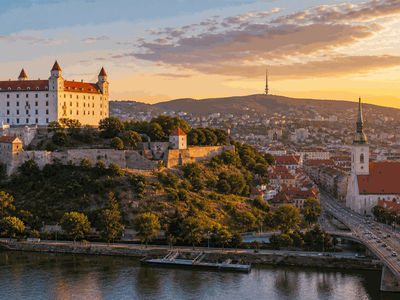
Town · about 1 h · REX train from Wien Hauptbahnhof
Bratislava
A second capital within commuting distance: castle hill, a compact old town and far lower prices.
View on mapSpa · about 45 min · Badner Bahn tram from Vienna Oper
Baden bei Wien
Sulphur baths the Habsburgs used, in a Biedermeier spa town with a rose garden and casino.
View on mapNature · about 50 min · train to Baden then bus 1140
Mayerling and the Vienna Woods
Beech forest trails from the hunting lodge where Crown Prince Rudolf died in 1889.
View on mapCity history
The Roman military settlement of Vindobona stood on the site of today's central Vienna.
The Babenberg rulers made Vienna their residence, helping the settlement grow into a regional political centre.
Habsburg rule began to shape Vienna's long role as an imperial residence and administrative capital.
The failed Ottoman siege of Vienna became a decisive moment in the city's early modern history.
Vienna became capital of the Austrian Empire, reinforcing its role as a centre of court culture, administration and music.
After the Austro-Hungarian Compromise, Vienna remained capital of the Austro-Hungarian Empire.
After World War I, Vienna became capital of the new Austrian republic.
The Red Vienna period expanded municipal housing and social infrastructure, leaving major housing estates across the city.
Nazi Germany annexed Austria; Vienna's Jewish community was persecuted and much of its cultural life was destroyed.
Vienna was heavily damaged near the end of World War II and then divided into Allied occupation sectors.
The Austrian State Treaty restored full sovereignty, and Vienna continued as Austria's federal capital.
The Vienna International Centre opened, strengthening the city's role as a base for international organizations.