Forecast
Dili
Local time--:--
Asia/DiliWeather Forecast
Dili, Timor-LesteOpen-Meteo forecast.
Dili city overview
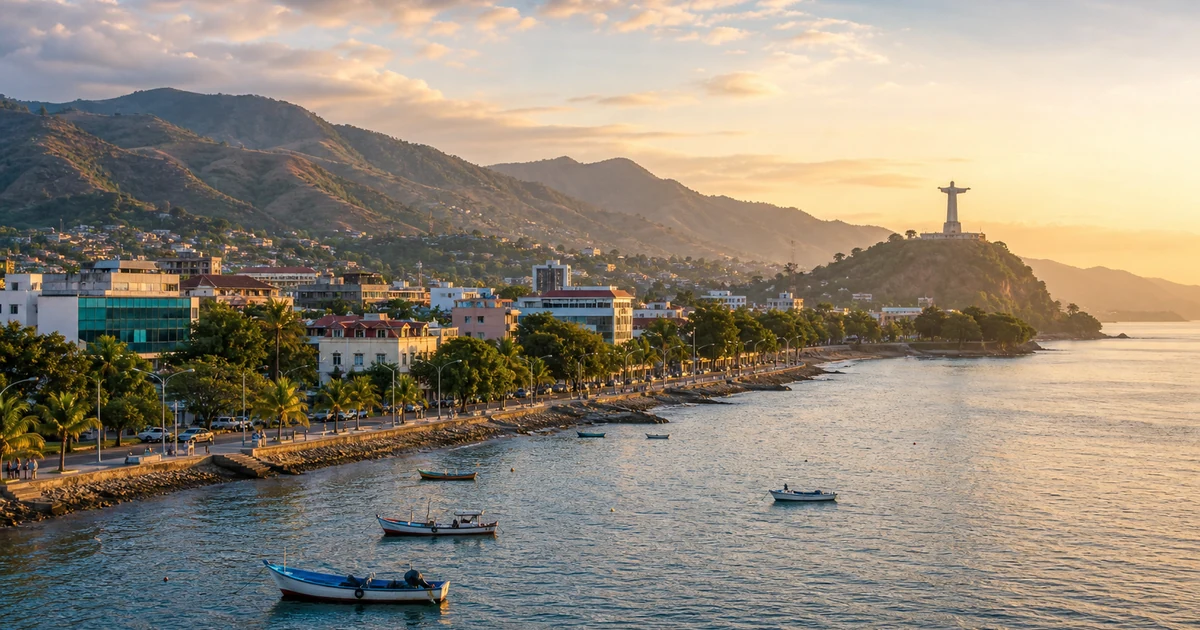
Dili works best as a base in Timor-Leste when you anchor days around Cristo Rei of Dili, Resistance Museum and Tais Market. Use those sights to understand the city's history, street life and visitor rhythm. Dili International Airport handles the main arrival flow, so hotel choice should balance the centre, transfer time and day-trip plans.
Worth seeing
Cristo Rei of Dili
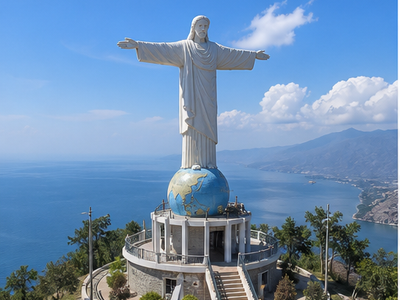
Cristo Rei of Dili is a named stop in Dili worth keeping on the route when it fits the day's transport, timing and neighborhood plan.
View on map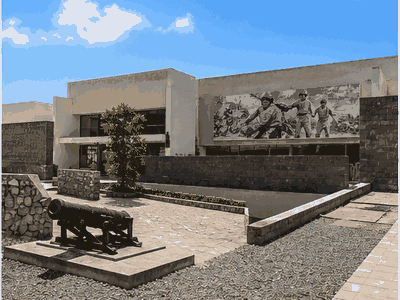
Resistance Museum
Resistance Museum is a key Dili culture stop, useful for understanding local history, collections and rainy-day planning near the main sightseeing route.
View on map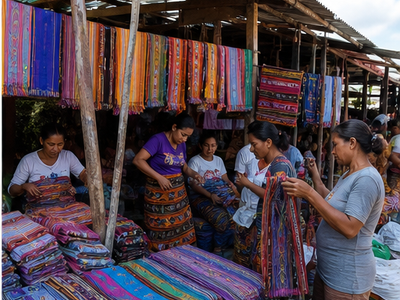
Tais Market
Tais Market gives Dili a concrete street-life stop, with food, everyday shopping and local movement that helps visitors read the city.
View on map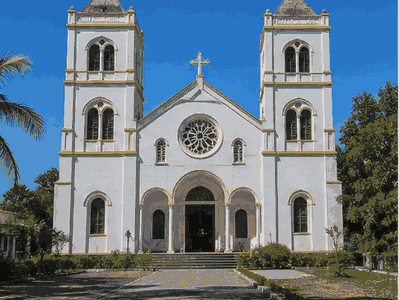
Dili Cathedral
Dili Cathedral anchors the historic and ceremonial side of Dili, making it a practical stop for architecture, local memory and orientation.
View on map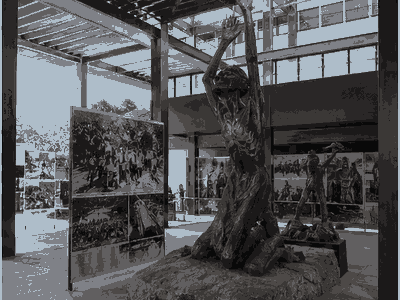
Chega Exhibition
Chega Exhibition is a named stop in Dili worth keeping on the route when it fits the day's transport, timing and neighborhood plan.
View on map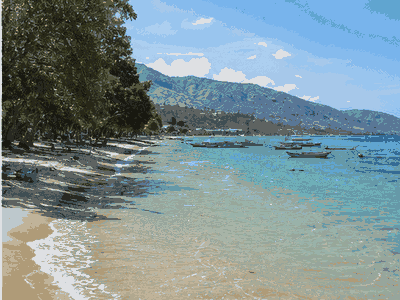
Areia Branca Beach
Areia Branca Beach adds outdoor time to a Dili stay, with open space, views or waterfront breathing room between denser city sights.
View on mapStay overview
Start with City centre for the easiest first Dili stay, then compare Old Town and Waterfront when price, nightlife, quieter evenings or transfer timing matter more than being beside every major sight.
Hotels & areas
Dili hotel choice is mostly about repeat journeys: use City centre for sightseeing, Old Town for a different local base, and Waterfront or Airport area when views, parking, airport timing or longer stays matter.
City centre
City centre is the most practical first base in Dili, keeping main sights, restaurants and short local transfers close.
Best for: first visits, sightseeing, restaurantsSee hotel optionsOld Town
Old Town is the most practical first base in Dili, keeping main sights, restaurants and short local transfers close.
Best for: first visits, sightseeing, restaurantsSee hotel optionsWaterfront
Waterfront suits travellers who want views, evening walks and a calmer base while still keeping central Dili reachable.
Best for: views, quieter evenings, walksSee hotel optionsAirport area
Airport area works mainly for early departures, late arrivals or car pickup, not for a first Dili sightseeing base.
Best for: early flights, late arrivals, car pickupSee hotel optionsFlights & airports
Presidente Nicolau Lobato International Airport (DIL) arrival plan
- Presidente Nicolau Lobato International Airport (DIL)About 6 km from the centre
Compare airport access against hotel location, arrival time, rental car pickup, late flights and onward driving before choosing the first night base.
- Commander in Chief of FALINTIL, Kay Rala Xanana Gusmão, International Airport (UAI)About 88 km from the centre
Compare airport access against hotel location, arrival time, rental car pickup, late flights and onward driving before choosing the first night base.
- Baucau Airport (BCH)About 91 km from the centre
Compare airport access against hotel location, arrival time, rental car pickup, late flights and onward driving before choosing the first night base.
Rental cars
Dili day-trip car use
Do not rent a car for central Dili unless parking and traffic are part of the plan; use one mainly for regional day trips.
Compare rental carsTravel tips
Best base
Choose City centre for a first stay because it keeps main sights, restaurants and practical local movement close.
Airport timing
Leave extra time for Dili International Airport, especially for early flights, late arrivals, traffic or unfamiliar transfer routes.
Local movement
Plan each day in clusters around Cristo Rei of Dili and Resistance Museum so transfers do not consume the best sightseeing hours.
Day trips
Keep one flexible slot for nearby routes from Dili, checking weather, transport and opening hours before committing.
City history
Portuguese and Spanish interest in the island increased in the 1520s, with regular trade established by 1524.
In 1769, as Lifau came under the increasing influence of powerful local families collectively known as the Topasses, the Portuguese governor António José Teles de Meneses moved the administration and 1,200 people east to.
Significant construction was undertaken under governor José Maria Marques, who arrived in 1834 and rebuilt the settlement along a grid.
In 1844 Timor, along with Macau and Solor, was removed from the jurisdiction of Portuguese India, with the three areas becoming a new Portuguese province.
A few years later in 1850, Portuguese Timor was removed from the jurisdiction of the governor of Macau, before being returned to the jurisdiction of Portuguese India in 1856.
The main church was demolished in 1933, and a new cathedral opened in its place in 1937. (This cathedral was later destroyed by Allied bombing in the Second World War.) Four distinct residential districts.
As the administrative structures developed, Dili became part of the Dili municipality in 1940, the first municipal administration to be created.
Portuguese Timor became a full part of Following the initial post-war reconstruction of Dili's immediately critical infrastructure, an urban plan was developed in 1951 covering urban layout, road development, zoning, and building regulations.
The Portuguese Overseas Organic Law of 1963 created the first Legislative Council of the territory, which was given some of the powers formerly held by the governor.
The 1974 Carnation Revolution in Portugal created immediate change in East Timor, with new political parties forming with the goal of independence from Portugal.
On 17 July 1976, Indonesia annexed East Timor, which it designated its 27th province.
In 2009 the area around the Indonesian-built Integration Monument was redesignated as the 5 May Park, the date upon which it was agreed East Timor could hold its independence referendum.
A 1960s hotel, Hotel Turismo, which had been a site of independence activities, was demolished in 2010 and rebuilt.
Structures and monuments built during this time include the Immaculate Conception Cathedral, the Integration Statue commemorating the end of Portuguese rule, and the Cristo Rei of Dili.