Forecast
Seoul
Local time--:--
Asia/SeoulWeather Forecast
Seoul, South KoreaOpen-Meteo forecast.
Seoul city overview
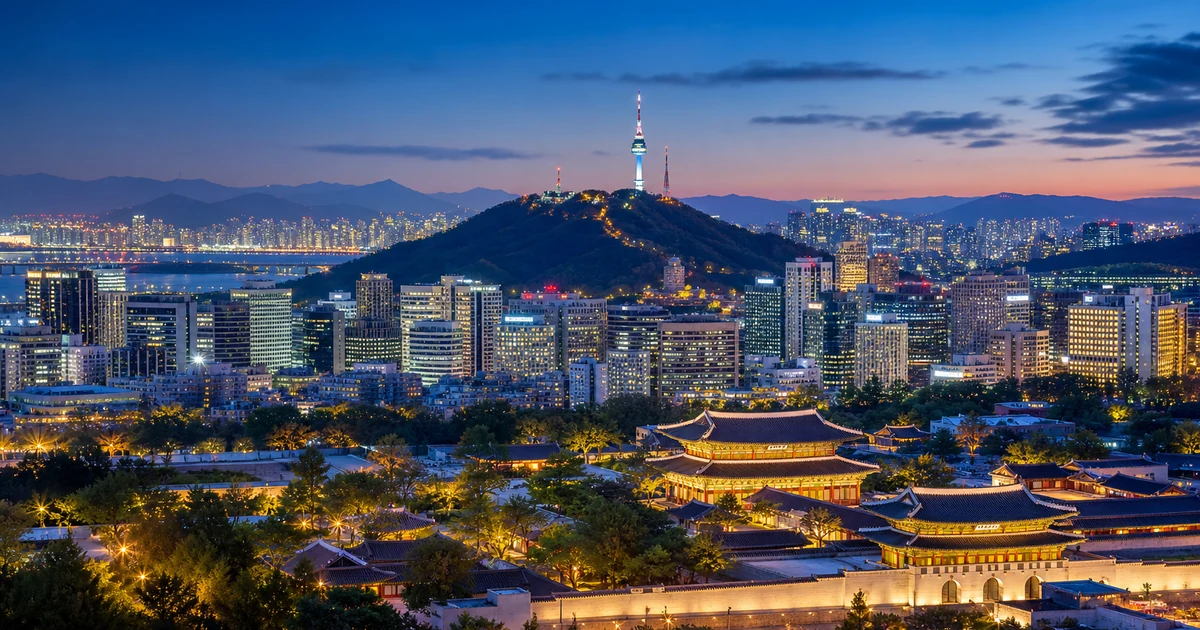
Seoul works best as a base in South Korea when you anchor days around Gyeongbokgung Palace, Bukchon Hanok Village and N Seoul Tower. Use those sights to understand the city's history, street life and visitor rhythm. Seoul Incheon handles the main arrival flow, so hotel choice should balance the centre, transfer time and day-trip plans.
Worth seeing
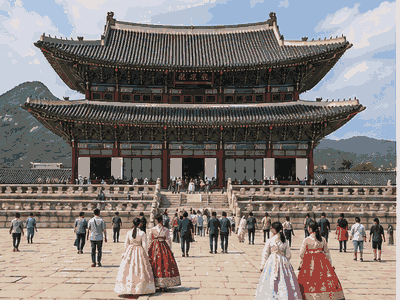
Gyeongbokgung Palace
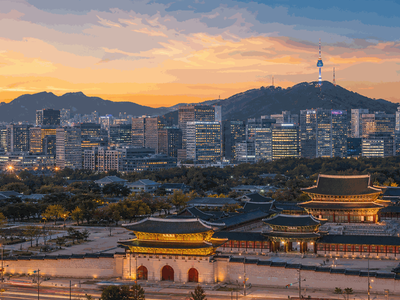
Gyeongbokgung Palace anchors the historic and ceremonial side of Seoul, making it a practical stop for architecture, local memory and orientation.
View on map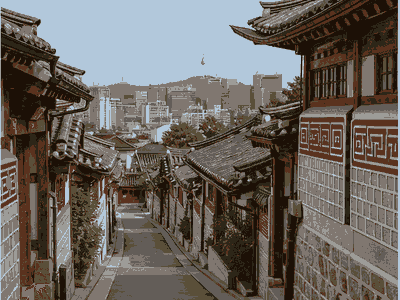
Bukchon Hanok Village
Bukchon Hanok Village is a named stop in Seoul worth keeping on the route when it fits the day's transport, timing and neighborhood plan.
View on map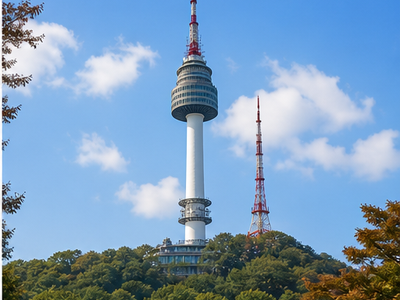
N Seoul Tower
N Seoul Tower is a clear heritage marker in Seoul, best used as a fixed point when grouping nearby streets, monuments and viewpoints.
View on map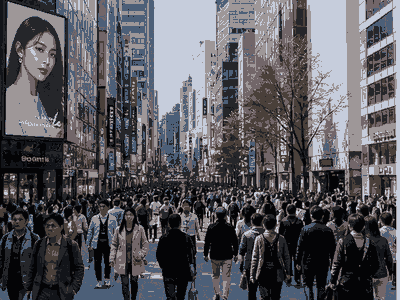
Myeongdong
Myeongdong is a named stop in Seoul worth keeping on the route when it fits the day's transport, timing and neighborhood plan.
View on map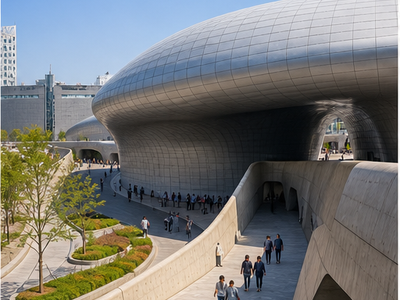
Dongdaemun Design Plaza
Dongdaemun Design Plaza is a clear heritage marker in Seoul, best used as a fixed point when grouping nearby streets, monuments and viewpoints.
View on map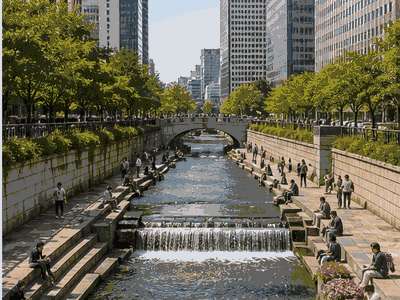
Cheonggyecheon
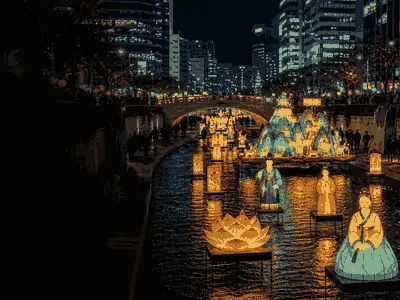
Cheonggyecheon is a named stop in Seoul worth keeping on the route when it fits the day's transport, timing and neighborhood plan.
View on mapStay overview
Start with Myeongdong for the easiest first Seoul stay, then compare Hongdae and Insadong when price, nightlife, quieter evenings or transfer timing matter more than being beside every major sight.
Hotels & areas
Seoul hotel choice is mostly about repeat journeys: use Myeongdong for sightseeing, Hongdae for a different local base, and Insadong or Gangnam when views, parking, airport timing or longer stays matter.
Myeongdong
Myeongdong is useful when a Seoul stay needs more local restaurants, apartment options or quieter nights outside the busiest core.
Best for: local stays, restaurants, quieter nightsSee hotel optionsHongdae
Hongdae is useful when a Seoul stay needs more local restaurants, apartment options or quieter nights outside the busiest core.
Best for: local stays, restaurants, quieter nightsSee hotel optionsInsadong
Insadong is useful when a Seoul stay needs more local restaurants, apartment options or quieter nights outside the busiest core.
Best for: local stays, restaurants, quieter nightsSee hotel optionsGangnam
Gangnam is useful when a Seoul stay needs more local restaurants, apartment options or quieter nights outside the busiest core.
Best for: local stays, restaurants, quieter nightsSee hotel optionsFlights & airports
Seoul Gimpo International Airport (GMP) arrival plan
- Seoul Gimpo International Airport (GMP)About 17 km from the centre
Compare airport access against hotel location, arrival time, rental car pickup, late flights and onward driving before choosing the first night base.
- Incheon International Airport (ICN)About 48 km from the centre
Compare airport access against hotel location, arrival time, rental car pickup, late flights and onward driving before choosing the first night base.
Rental cars
Seoul day-trip car use
Do not rent a car for central Seoul unless parking and traffic are part of the plan; use one mainly for regional day trips.
Compare rental carsTravel tips
Best base
Choose Myeongdong for a first stay because it keeps main sights, restaurants and practical local movement close.
Airport timing
Leave extra time for Seoul Incheon, especially for early flights, late arrivals, traffic or unfamiliar transfer routes.
Local movement
Plan each day in clusters around Gyeongbokgung Palace and Bukchon Hanok Village so transfers do not consume the best sightseeing hours.
Day trips
Keep one flexible slot for nearby routes from Seoul, checking weather, transport and opening hours before committing.
Nearby ideas
Heritage · about 1 h · Seoul Metro Line 1 to Suwon
Suwon Hwaseong Fortress
A five-kilometre eighteenth-century wall you can walk the whole way round, with archery at the command post.
View on mapMountain · about 50 min · Metro Line 3 to Gupabal, then bus 704
Bukhansan National Park
Granite peaks inside the city limits, with Baegundae reached by chains and railings in two hours.
View on mapIsland · about 1 h 15 min · bus 3000 from Sinchon
Ganghwa Island
Dolmens from 1000 BC, coastal forts and a view across the estuary into North Korea.
View on mapTown · about 1 h · Metro Line 1 to Incheon station
Incheon Chinatown
Korea's only Chinatown, where jajangmyeon noodles were invented, beside the old open port quarter.
View on map
City history
This area is now in southeastern Seoul. Silla period In July or August 553, Silla took the control of the region from Baekje, and the city became a part of newly established Sin Province.
In 557, Silla abolished Sin Province, and established Bukhansan Province (북한산주; 北漢山州).
In 568, Jinheung Taewang made another royal visit to the northern border, visited Hanseong, and stayed in Namcheon on his way back to the capital.
In 604, Silla abolished Namcheon Province, and reestablished Bukhansan Province in order to strengthen the northern border.
Baekje (18 B.C. – 660 A.D.), once one of the statelets in the Mahan confederacy, became the dominant local power by the 2nd century A.D.
After enthroning himself as King at the capital of old Goryeo in 1392, Yi Seong-gye changed the name of his Kingdom from Goryeo to Joseon in 1393 and began his search for a place.
In the 1930s, as part of Imperial Japan's war efforts leading up to the Second Sino-Japanese War, Yeongdeungpo District was annexed into Seoul on April 1, 1936, to function as an industrial complex for.
In 1945, following the liberation from Japanese colonial rule, the American military assumed control of Korea, including its capital city, then referred to as Kyeongseongbu in line with Japanese nomenclature.
The Korean version of the Charter translated "municipal corporation" as "special free city" (특별자유시; 特別自由市), which later became special metropolitan city (or special metropolitan city; 특별시; 特別市) in the Local Autonomy Act of 1949.
In the 11th century Goryeo, which succeeded Unified Silla, built a summer palace in Seoul, which was referred to as the "Southern Capital".
During his stay, he set Jinheung Taewang Stele, abolished Bukhansan Province, and established Namcheon Province (남천주; 南川州; lit. 'South River Province'), appointing the city as the provincial capital.
It was only from this period that Seoul became a larger settlement. Joseon dynasty Seoul became the planned capital of Korea by Yi Seong-gye, the founding father of the Joseon dynasty.
Seoul became the first city in East Asia to introduce electricity in the palace, which was established by the Edison Illuminating Company.
It only covered the Fortress Wall, marked by the Eight Gates, and the districts incorporated during Japanese rule to prosecute imperial Japan's war efforts.