Forecast
Mecca
Local time--:--
Asia/RiyadhWeather Forecast
Mecca, Saudi ArabiaOpen-Meteo forecast.
Mecca city overview
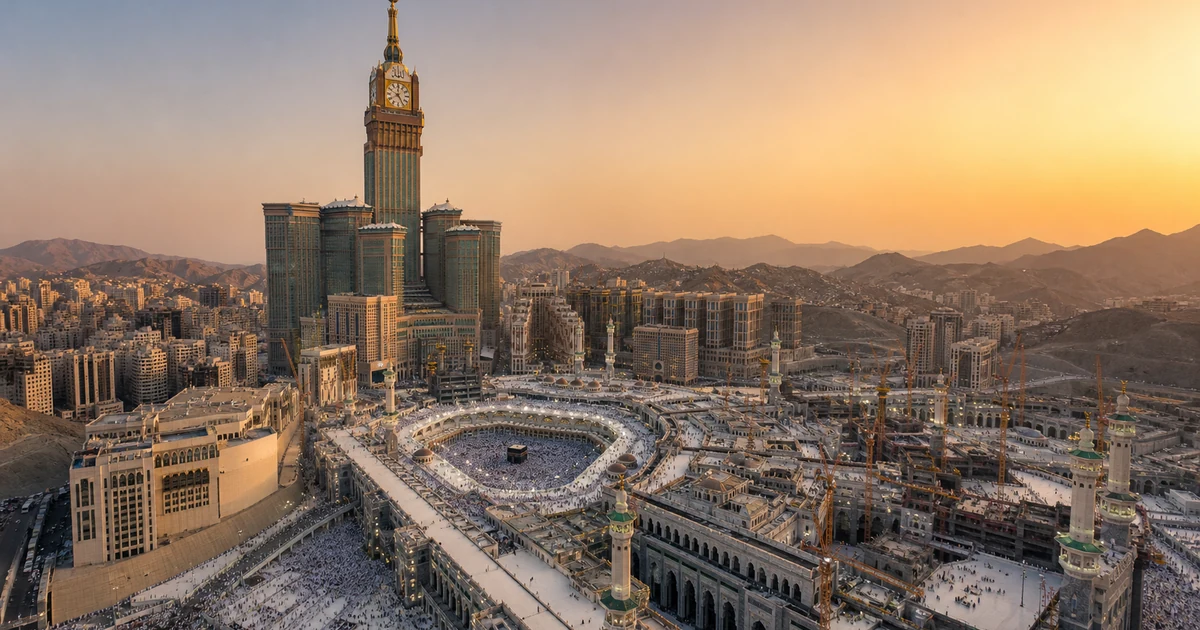
Mecca works best as a base in Saudi Arabia when you anchor days around Masjid al-Haram, Kaaba and Abraj Al Bait. Use those sights to understand the city's history, street life and visitor rhythm. Mecca International Airport handles the main arrival flow, so hotel choice should balance the centre, transfer time and day-trip plans.
Worth seeing
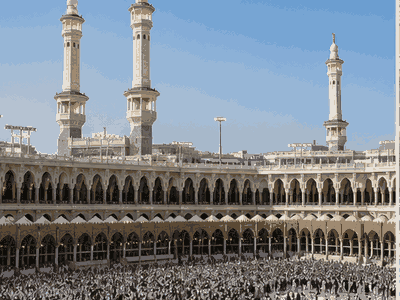
Masjid al-Haram
Masjid al-Haram is a named stop in Mecca worth keeping on the route when it fits the day's transport, timing and neighborhood plan.
View on map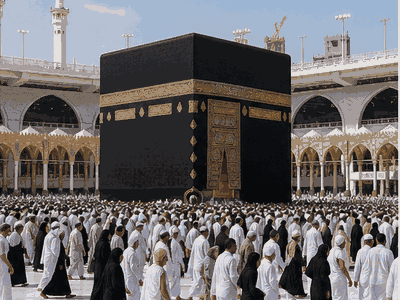
Kaaba
Kaaba is a named stop in Mecca worth keeping on the route when it fits the day's transport, timing and neighborhood plan.
View on map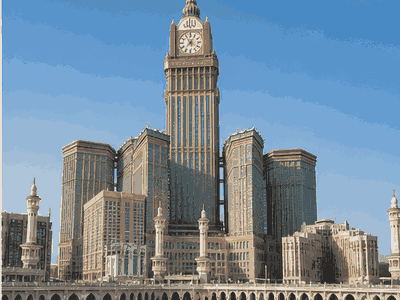
Abraj Al Bait
Abraj Al Bait is a named stop in Mecca worth keeping on the route when it fits the day's transport, timing and neighborhood plan.
View on map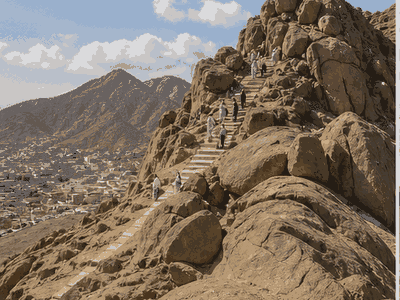
Jabal al-Nour
Jabal al-Nour is a named stop in Mecca worth keeping on the route when it fits the day's transport, timing and neighborhood plan.
View on map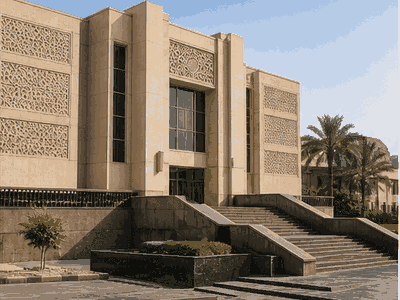
Makkah Museum
Makkah Museum is a key Mecca culture stop, useful for understanding local history, collections and rainy-day planning near the main sightseeing route.
View on map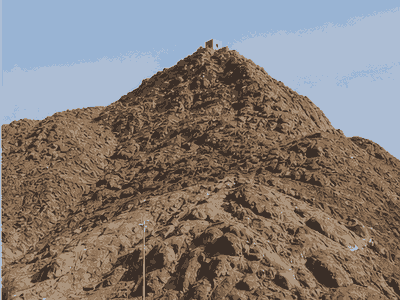
Jabal Thawr
Jabal Thawr is a named stop in Mecca worth keeping on the route when it fits the day's transport, timing and neighborhood plan.
View on mapStay overview
Start with City centre for the easiest first Mecca stay, then compare Old Town and Waterfront when price, nightlife, quieter evenings or transfer timing matter more than being beside every major sight.
Hotels & areas
Mecca hotel choice is mostly about repeat journeys: use City centre for sightseeing, Old Town for a different local base, and Waterfront or Airport area when views, parking, airport timing or longer stays matter.
City centre
City centre is the most practical first base in Mecca, keeping main sights, restaurants and short local transfers close.
Best for: first visits, sightseeing, restaurantsSee hotel optionsOld Town
Old Town is the most practical first base in Mecca, keeping main sights, restaurants and short local transfers close.
Best for: first visits, sightseeing, restaurantsSee hotel optionsWaterfront
Waterfront suits travellers who want views, evening walks and a calmer base while still keeping central Mecca reachable.
Best for: views, quieter evenings, walksSee hotel optionsAirport area
Airport area works mainly for early departures, late arrivals or car pickup, not for a first Mecca sightseeing base.
Best for: early flights, late arrivals, car pickupSee hotel optionsFlights & airports
Taif International Airport (TIF) arrival plan
- Taif International Airport (TIF)About 75 km from the centre
Compare airport access against hotel location, arrival time, rental car pickup, late flights and onward driving before choosing the first night base.
- King Abdulaziz International Airport (JED)About 75 km from the centre
Compare airport access against hotel location, arrival time, rental car pickup, late flights and onward driving before choosing the first night base.
Rental cars
Mecca day-trip car use
Do not rent a car for central Mecca unless parking and traffic are part of the plan; use one mainly for regional day trips.
Compare rental carsTravel tips
Best base
Choose City centre for a first stay because it keeps main sights, restaurants and practical local movement close.
Airport timing
Leave extra time for Mecca International Airport, especially for early flights, late arrivals, traffic or unfamiliar transfer routes.
Local movement
Plan each day in clusters around Masjid al-Haram and Kaaba so transfers do not consume the best sightseeing hours.
Day trips
Keep one flexible slot for nearby routes from Mecca, checking weather, transport and opening hours before committing.
Upcoming events
City history
These annual events gave the tribes a sense of common identity and made Mecca an important focus for the peninsula. Year of the Elephant (570) The "Year of the Elephant" is the name in.
The Sassanids however did not always pose a threat to Mecca, as in 575 they protected it from a Yemeni invasion, led by its Christian leader Abraha.
The first clear reference to Mecca in non-Islamic literature appears in 741, long after the death of Muhammad, in the Byzantine-Arab Chronicle or Chronicle of 741.
In 2010, Mecca and the surrounding area became an important site for paleontology with respect to primate evolution, with the discovery of a Saadanius fossil.
Historically, there has been a general consensus in scholarship that Macoraba mentioned by Ptolemy in the 2nd century CE is indeed Mecca, but more recently, this has been questioned.
In the 5th century, the Quraish took control of Mecca, and became skilled merchants and traders.
By the middle of the 6th century, there were three major settlements in northern Arabia, all along the south-western coast that borders the Red Sea, in a habitable region between the sea and the.
Up to the 7th century, this journey was intended for religious reasons by the pagan Arabs to pay homage to their shrine, and to drink Zamzam.
The Red Sea coast offered no easily accessible ports and the oasis dwellers and bedouins in the region were illiterate.
It was Adam himself who built the first God's house in Mecca according to a heavenly prototype but this building was destroyed in the Noahic Flood.
Some people from the Yemeni tribe of Jurhum settled with them, and Isma'il reportedly married two women, one after divorcing the first, on Ibrahim's advice.
Some related inscriptions contained personal names such as Makki (مَكِّي, "Makkan, of Makkah"), but Jawwad Ali from the University of Baghdad suggested that there's also a probability of a tribe named "Makkah." Under the.
Mecca's most important pagan deity was Hubal, which had been placed there by the ruling Quraysh tribe, and remained until the Conquest of Mecca by Muhammad.
Although the area around Mecca was completely barren, it was the wealthiest of the three settlements with abundant water from the renowned Zamzam Well and a position at the crossroads of major caravan routes.