Forecast
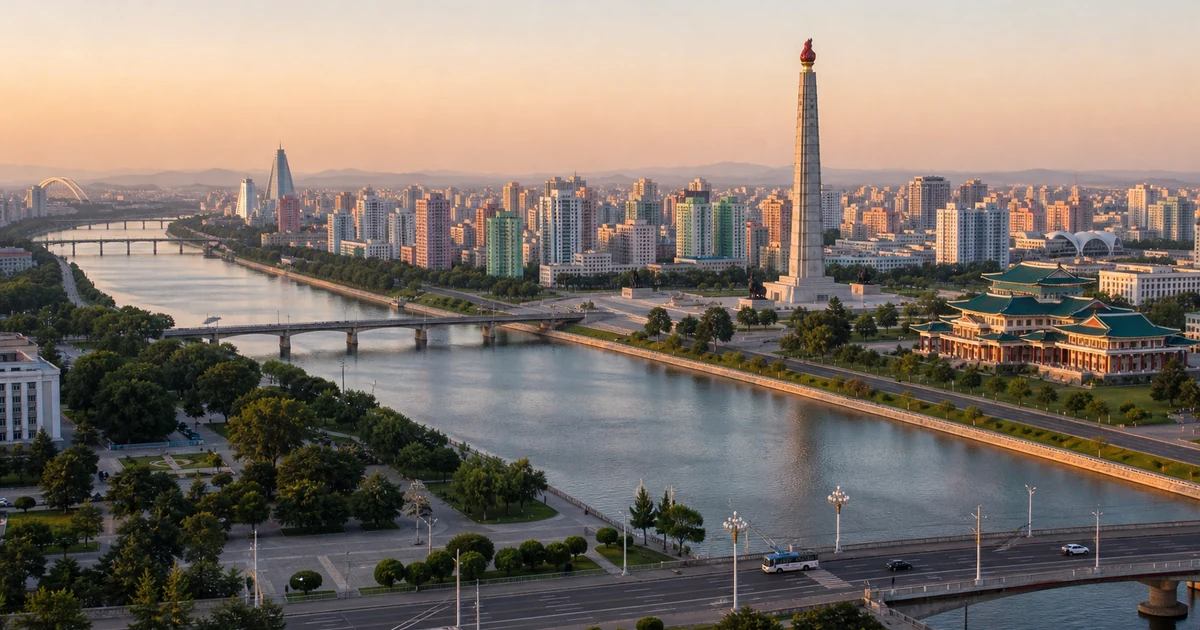
Pyongyang
Local time--:--
Asia/PyongyangWeather Forecast
Pyongyang, North KoreaOpen-Meteo forecast.
Pyongyang city overview
Pyongyang works best as a base in North Korea when you anchor days around Kim Il Sung Square, Juche Tower and Arch of Triumph Pyongyang. Use those sights to understand the city's history, street life and visitor rhythm. Pyongyang International Airport handles the main arrival flow, so hotel choice should balance the centre, transfer time and day-trip plans.
Worth seeing
Kim Il Sung Square
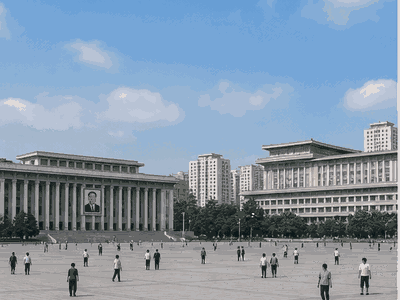
Kim Il Sung Square is a clear heritage marker in Pyongyang, best used as a fixed point when grouping nearby streets, monuments and viewpoints.
View on map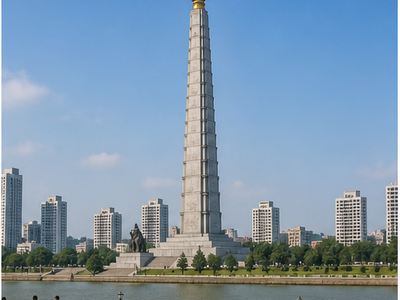
Juche Tower
Juche Tower is a clear heritage marker in Pyongyang, best used as a fixed point when grouping nearby streets, monuments and viewpoints.
View on map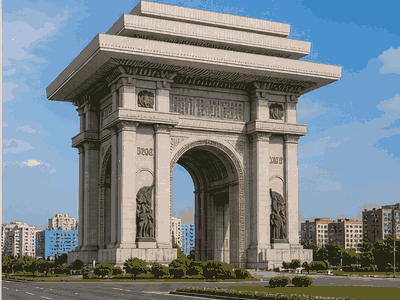
Arch of Triumph Pyongyang
Arch of Triumph Pyongyang is a clear heritage marker in Pyongyang, best used as a fixed point when grouping nearby streets, monuments and viewpoints.
View on map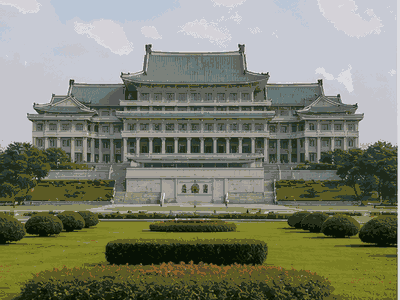
Kumsusan Palace of the Sun
Kumsusan Palace of the Sun anchors the historic and ceremonial side of Pyongyang, making it a practical stop for architecture, local memory and orientation.
View on map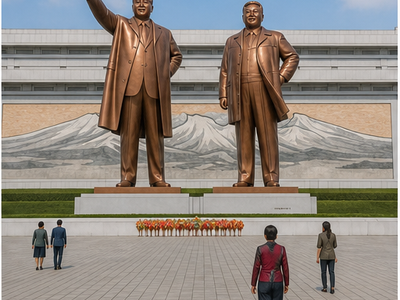
Mansudae Grand Monument
Mansudae Grand Monument is a clear heritage marker in Pyongyang, best used as a fixed point when grouping nearby streets, monuments and viewpoints.
View on map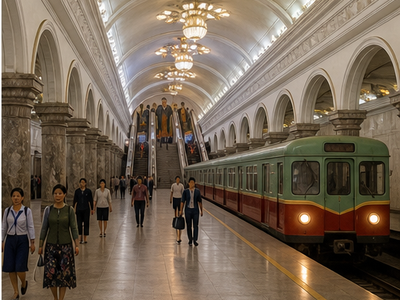
Pyongyang Metro
Pyongyang Metro is a named stop in Pyongyang worth keeping on the route when it fits the day's transport, timing and neighborhood plan.
View on mapStay overview
Start with City centre for the easiest first Pyongyang stay, then compare Old Town and Waterfront when price, nightlife, quieter evenings or transfer timing matter more than being beside every major sight.
Hotels & areas
Pyongyang hotel choice is mostly about repeat journeys: use City centre for sightseeing, Old Town for a different local base, and Waterfront or Airport area when views, parking, airport timing or longer stays matter.
City centre
City centre is the most practical first base in Pyongyang, keeping main sights, restaurants and short local transfers close.
Best for: first visits, sightseeing, restaurantsSee hotel optionsOld Town
Old Town is the most practical first base in Pyongyang, keeping main sights, restaurants and short local transfers close.
Best for: first visits, sightseeing, restaurantsSee hotel optionsWaterfront
Waterfront suits travellers who want views, evening walks and a calmer base while still keeping central Pyongyang reachable.
Best for: views, quieter evenings, walksSee hotel optionsAirport area
Airport area works mainly for early departures, late arrivals or car pickup, not for a first Pyongyang sightseeing base.
Best for: early flights, late arrivals, car pickupSee hotel optionsFlights & airports
Pyongyang Sunan International Airport (FNJ) arrival plan
- Pyongyang Sunan International Airport (FNJ)About 22 km from the centre
Compare airport access against hotel location, arrival time, rental car pickup, late flights and onward driving before choosing the first night base.
Rental cars
Pyongyang day-trip car use
Do not rent a car for central Pyongyang unless parking and traffic are part of the plan; use one mainly for regional day trips.
Compare rental carsTravel tips
Best base
Choose City centre for a first stay because it keeps main sights, restaurants and practical local movement close.
Airport timing
Leave extra time for Pyongyang International Airport, especially for early flights, late arrivals, traffic or unfamiliar transfer routes.
Local movement
Plan each day in clusters around Kim Il Sung Square and Juche Tower so transfers do not consume the best sightseeing hours.
Day trips
Keep one flexible slot for nearby routes from Pyongyang, checking weather, transport and opening hours before committing.
Upcoming events
No upcoming Pyongyang events in the shared event index yet.
City history
Wanggeom-seong, which was located in the same place as modern-day Pyongyang, served as the capital of Gojoseon from 194 to 108 BC.
As the capital of Nanglang (낙랑국; 樂浪國), Pyongyang remained an important commercial and cultural outpost after the Lelang Commandery was destroyed by an expanding Goguryeo in 313.
In 668, Pyongyang became the capital of the Protectorate General to Pacify the East established by the Tang dynasty of China.
Nevertheless, Pyongyang became a major city in old Joseon. Historical period According to legend, Pyongyang was founded in 1122 BC on the site of the capital of the legendary king Tan'gun.
It was the provincial capital of South Pyongan Province beginning in 1896.
During the Japanese colonial rule, Japan tried to develop the city as an industrial center, but faced the March First Movement in 1919 and severe anti-Japanese socialist movements in 1920s due to economic exploitation.
In July 1931, the city experienced anti-Chinese riots as a result of the Wanpaoshan Incident and the sensationalized media reports about it which appeared in Imperial Japanese and Korean newspapers.
Pyongyang became the de facto capital of North Korea upon its establishment in 1948.
Other recent public building projects include the Mansudae People's Theatre opened in 2012, the Munsu Water Park opened in 2013, and the renovated and expanded Sunan International Airport and Pyongyang Sci-Tech Complex, both completed.
Also in 2018, the Youth Park Open-Air Theatre on Sungri Street, used to host political rallies, was rebuilt.
While the invasions made Koreans suspicious of foreigners, the influence of Christianity began to grow after the country opened itself up to foreigners in the 16th century.
North Koreans associate Pyongyang with the mythological city of "Asadal", or Wanggeom-seong, the first capital of Gojoseon ("Old Joseon") in the second millennium BC, according to Korean historiographies beginning with the 13th-century Samguk yusa.
Emperor Wu of Han ordered four commanderies be set up, with Lelang Commandery in the center and its capital established as "Joseon" (朝鮮縣, 조선현) at the location of Pyongyang.
After the war, the city was quickly rebuilt with assistance from the Soviet Union, and many buildings were built in the style of Stalinist architecture.