Forecast
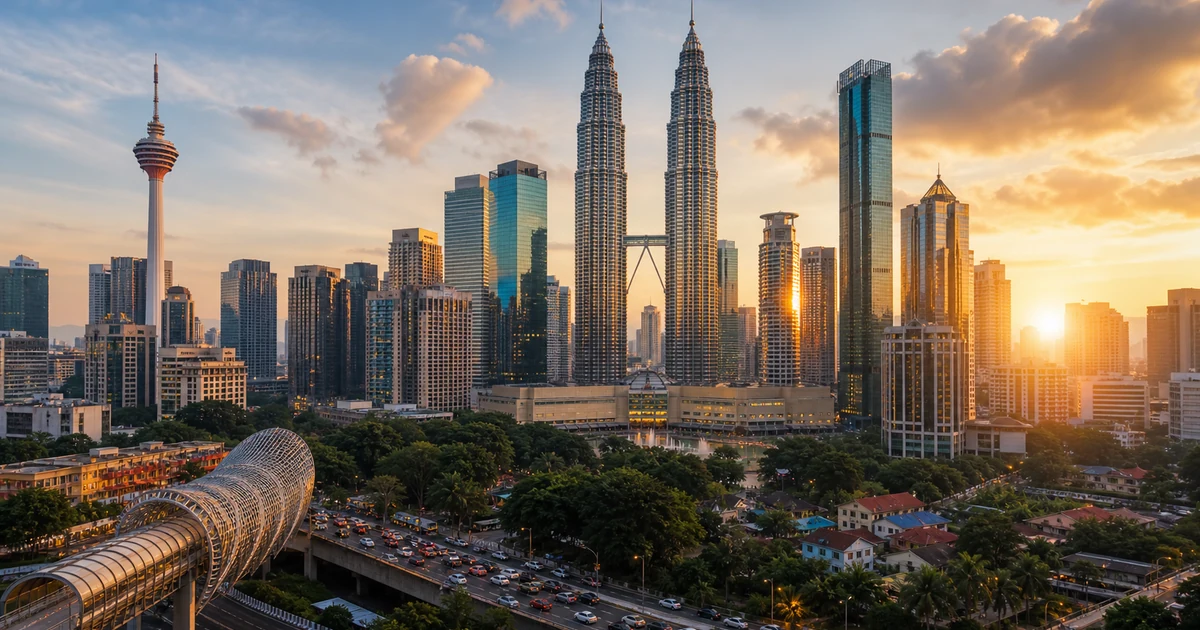
Kuala Lumpur
Local time--:--
Asia/Kuala_LumpurWeather Forecast
Kuala Lumpur, MalaysiaOpen-Meteo forecast.
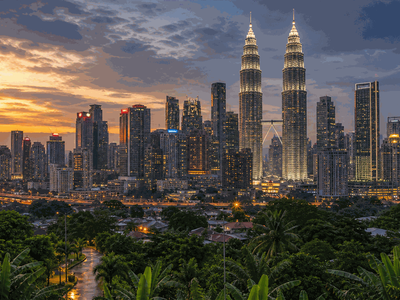
Kuala Lumpur city overview
Kuala Lumpur works best as a base in Malaysia when you anchor days around Petronas Twin Towers, Batu Caves and Merdeka Square. Use those sights to understand the city's history, street life and visitor rhythm. Kuala Lumpur International handles the main arrival flow, so hotel choice should balance the centre, transfer time and day-trip plans.

Worth seeing
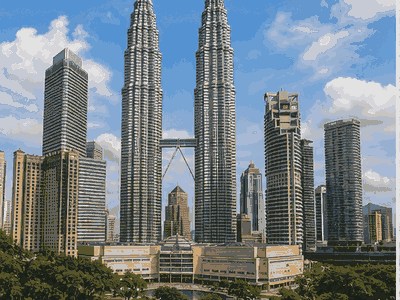
Petronas Twin Towers
Petronas Twin Towers is a clear heritage marker in Kuala Lumpur, best used as a fixed point when grouping nearby streets, monuments and viewpoints.
View on map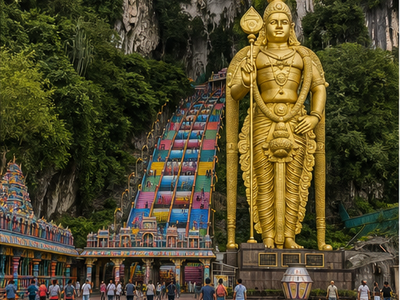
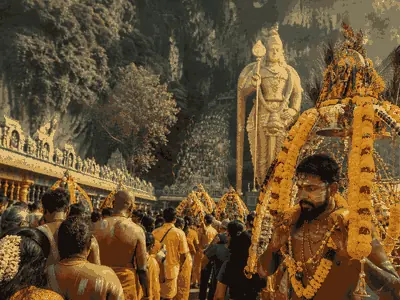
Batu Caves
Batu Caves is a named stop in Kuala Lumpur worth keeping on the route when it fits the day's transport, timing and neighborhood plan.
View on map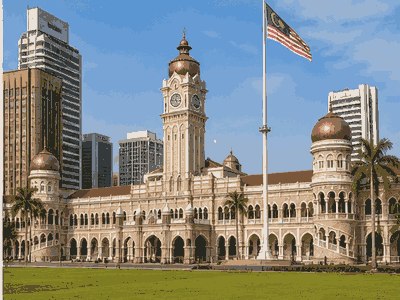
Merdeka Square
Merdeka Square is a clear heritage marker in Kuala Lumpur, best used as a fixed point when grouping nearby streets, monuments and viewpoints.
View on map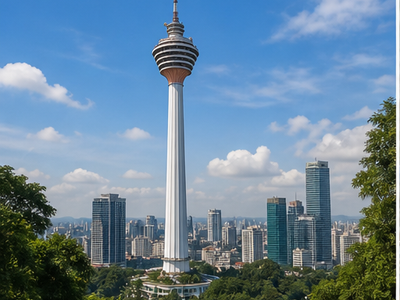
KL Tower
KL Tower is a clear heritage marker in Kuala Lumpur, best used as a fixed point when grouping nearby streets, monuments and viewpoints.
View on map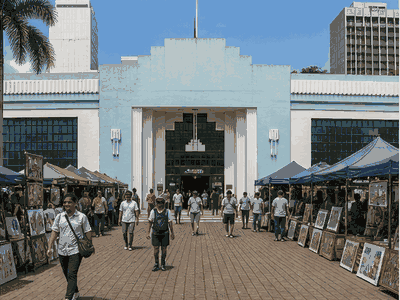
Central Market Kuala Lumpur
Central Market Kuala Lumpur gives Kuala Lumpur a concrete street-life stop, with food, everyday shopping and local movement that helps visitors read the city.
View on map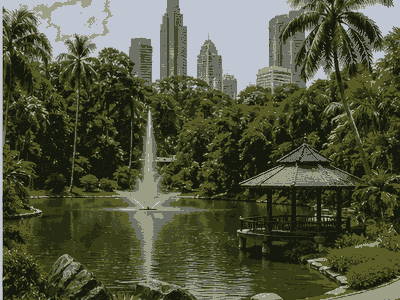
Perdana Botanical Gardens
Perdana Botanical Gardens adds outdoor time to a Kuala Lumpur stay, with open space, views or waterfront breathing room between denser city sights.
View on mapStay overview
Start with Bukit Bintang for the easiest first Kuala Lumpur stay, then compare KLCC and Chinatown when price, nightlife, quieter evenings or transfer timing matter more than being beside every major sight.
Hotels & areas
Kuala Lumpur hotel choice is mostly about repeat journeys: use Bukit Bintang for sightseeing, KLCC for a different local base, and Chinatown or Bangsar when views, parking, airport timing or longer stays matter.
Bukit Bintang
Bukit Bintang is useful when a Kuala Lumpur stay needs more local restaurants, apartment options or quieter nights outside the busiest core.
Best for: local stays, restaurants, quieter nightsSee hotel optionsKLCC
KLCC is useful when a Kuala Lumpur stay needs more local restaurants, apartment options or quieter nights outside the busiest core.
Best for: local stays, restaurants, quieter nightsSee hotel optionsChinatown
Chinatown is useful when a Kuala Lumpur stay needs more local restaurants, apartment options or quieter nights outside the busiest core.
Best for: local stays, restaurants, quieter nightsSee hotel optionsBangsar
Bangsar is useful when a Kuala Lumpur stay needs more local restaurants, apartment options or quieter nights outside the busiest core.
Best for: local stays, restaurants, quieter nightsSee hotel optionsFlights & airports
Sultan Abdul Aziz Shah International Airport (SZB) arrival plan
- Sultan Abdul Aziz Shah International Airport (SZB)About 15 km from the centre
Compare airport access against hotel location, arrival time, rental car pickup, late flights and onward driving before choosing the first night base.
- Kuala Lumpur International Airport (KUL)About 44 km from the centre
Compare airport access against hotel location, arrival time, rental car pickup, late flights and onward driving before choosing the first night base.
Rental cars
Kuala Lumpur day-trip car use
Do not rent a car for central Kuala Lumpur unless parking and traffic are part of the plan; use one mainly for regional day trips.
Compare rental carsTravel tips
Best base
Choose Bukit Bintang for a first stay because it keeps main sights, restaurants and practical local movement close.
Airport timing
Leave extra time for Kuala Lumpur International, especially for early flights, late arrivals, traffic or unfamiliar transfer routes.
Local movement
Plan each day in clusters around Petronas Twin Towers and Batu Caves so transfers do not consume the best sightseeing hours.
Day trips
Keep one flexible slot for nearby routes from Kuala Lumpur, checking weather, transport and opening hours before committing.
Nearby ideas
Heritage · about 45 min · KLIA Transit from KL Sentral to Putrajaya Sentral
Putrajaya
A purpose-built administrative capital of bridges and a pink mosque on a man-made lake.
View on mapMountain · about 1 h · bus from KL Sentral, then the Awana SkyWay cable car
Genting Highlands
A hill resort at 1,800 metres where the temperature drops twelve degrees, with a casino and theme park.
View on mapNature · about 1 h 15 min · bus from Medan Pasar
Kuala Selangor
Mangrove boat trips after dark to see synchronous fireflies along the Selangor river.
View on mapMountain · about 1 h 15 min · car north on the Karak Highway via Kuala Kubu Bharu
Fraser's Hill
A colonial hill station at 1,200 metres, known for birdwatching along the Telekom Loop.
View on mapCity history
Despite a high death toll from the malarial conditions of the jungle, the Ampang mines succeeded and exported the first tin in 1859.
In 1880, the colonial administration moved the state capital of Selangor from Klang to the more strategically advantageous Kuala Lumpur, and British Resident William Bloomfield Douglas decided to locate the government buildings and living.
In late 1881, the town was severely flooded, after a fire that had destroyed the entire town in January.
He also stipulated in 1884 that buildings should be constructed of brick and tile so that they would be less flammable, and that the town be rebuilt with wider streets to reduce fire risk.
A railway line between Kuala Lumpur and Klang, initiated by Swettenham and completed in 1886, increased access and resulted in rapid growth.
The Padang, now known as Independence Square, would later become the centre of the British administrative offices when the colonial government offices moved to the Sultan Abdul Samad Building in 1897.
Kuala Lumpur officially became the capital of the Malayan federation under the Federal Capital Act 1960 remained still after the formation of Malaysia on 16 September 1963.
One suggestion is that it was named after Sungai Lumpur ("muddy river"); in the 1820s, a place named Sungei Lumpoor was said to be the most important tin-producing settlement on the Klang River.
After the mines were opened, Raja Abdullah then sent a garrison under the command of a Bugis lieutenant to man a stockade built at Bukit Nanas.
Important Malay figures of early Kuala Lumpur also included Haji Mohamed Tahir, who became the Dato Dagang ("chief of traders").
The Minangkabaus of Sumatra became another important group who traded and established tobacco plantations in the area.
With the town being rebuilt a few times and having thrived, this was due in large to Yap Ah Loy.
Government offices and a new police headquarters were built on Bukit Aman, and the Padang was initially created for police training.
The growth of the rubber industry led to an influx of foreign capital and planters, with new companies and industries becoming established in Kuala Lumpur, and other companies previously based elsewhere also found a.