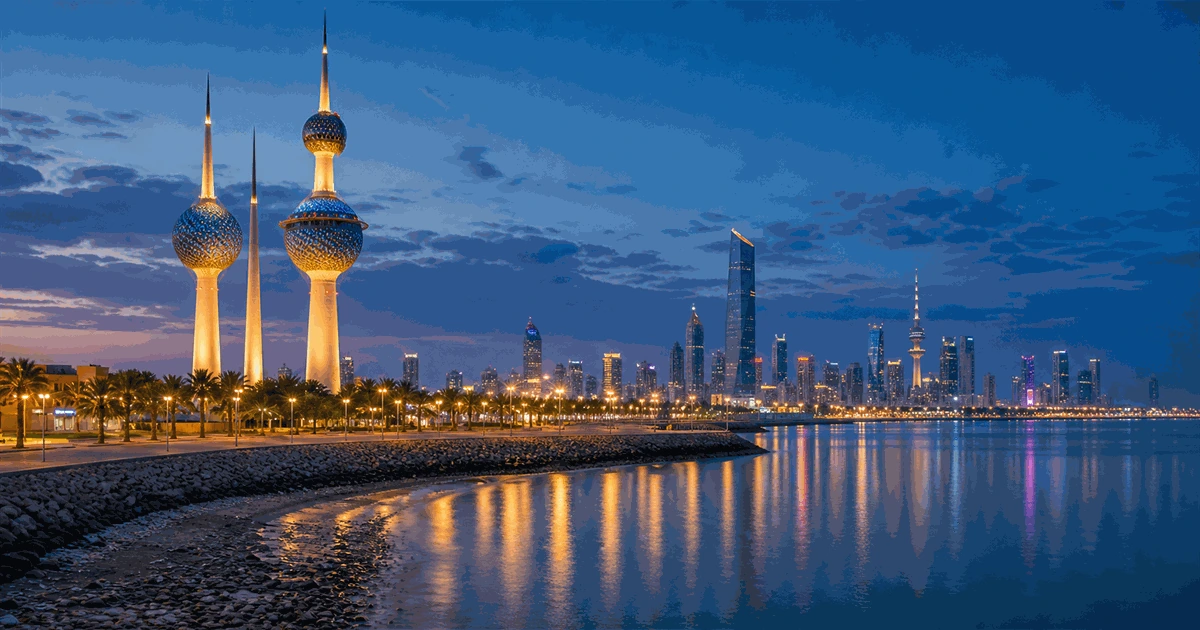

Kuwait
History
A coastal settlement grew around Kuwait Bay, linking the town to Gulf trade and pearling.
The Al Sabah family became Kuwait's ruling dynasty and established the sheikhdom.
Mubarak Al-Sabah signed an agreement with Britain that made Kuwait a protected sheikhdom.
The Anglo-Ottoman Convention recognized Kuwait's autonomy under Ottoman suzerainty, though war prevented full ratification.
Kuwait ended the British protectorate and became fully independent.
The current constitution came into force, setting the basic framework for today's Kuwait.
Iraq invaded and occupied Kuwait, triggering an international crisis.
Coalition forces liberated Kuwait and restored the Kuwaiti government.
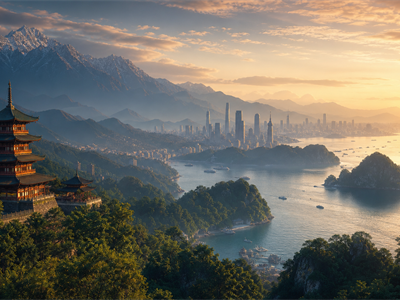 Part ofAsiaMore countries, cities and routes.
Short facts
RegionWestern Asia / Middle East / Arabian Gulf
LanguageArabic
Time zoneAST (UTC+3)
Drives onRight
Worth seeing
- Kuwait Towers: Iconic water towers on the Gulf coast, a symbol of Kuwait's oil wealth.
- Kuwait City Souq: Traditional Arabian market with gold, spices, and pearl heritage.
- Grand Mosque: Kuwait's main mosque, one of the largest in the Gulf region.
Find a city in Kuwait
Showing all cities
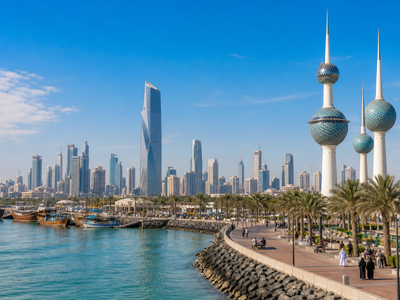 Kuwait City
Planning questions
What is Kuwait known for?Kuwait Towers, Kuwait City Souq, Grand Mosque.
What is the capital?Kuwait City.
Which language is useful?Arabic.
When is the national day?25 February.
How should I browse it here?Start with the facts, jump to linked cities, then check events and topics.
Upcoming events
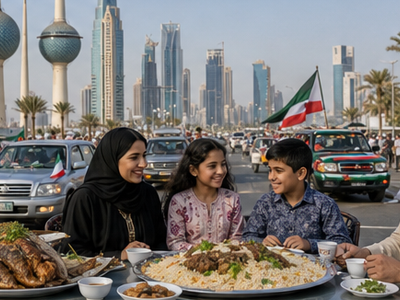 Kuwait National Day25 February 2027 — Across Kuwait — Kuwait
Use Kuwait City as the first planning anchor for Kuwait, then compare the city, food and worth-seeing notes on this page.
Food & drink
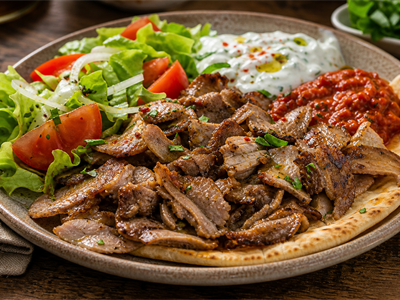 Kebab
Kebab Coffee
Known for
Kuwait TowersKuwait City SouqGrand MosqueKuwait CityKebabCoffee
 Music & Culture