Forecast
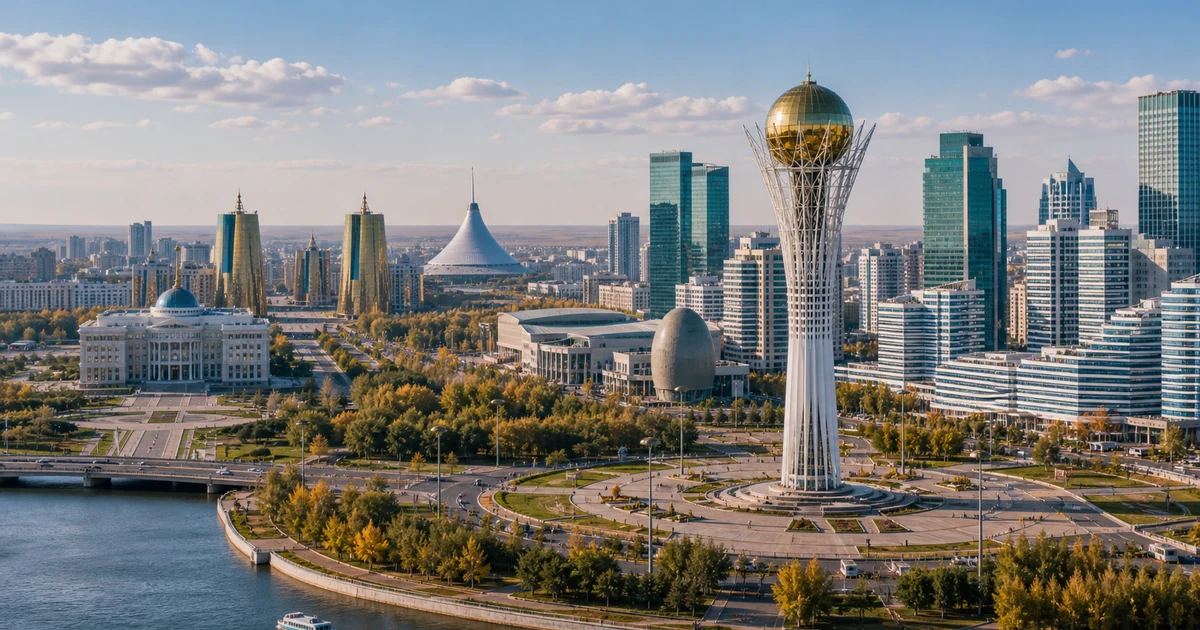
Astana
Local time--:--
Asia/AlmatyWeather Forecast
Astana, KazakhstanOpen-Meteo forecast.
Astana city overview
Astana works best as a base in Kazakhstan when you anchor days around Bayterek Tower, Khan Shatyr and Nur-Astana Mosque. Use those sights to understand the city's history, street life and visitor rhythm. Astana Nursultan Nazarbayev handles the main arrival flow, so hotel choice should balance the centre, transfer time and day-trip plans.

Worth seeing
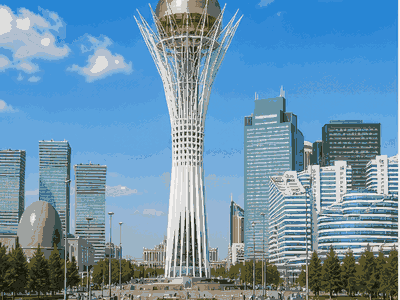
Bayterek Tower
Bayterek Tower adds the water-facing side of Astana, making it a good break from museums, traffic and dense historic streets.
View on map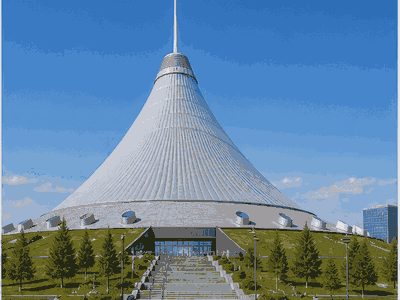
Khan Shatyr
Khan Shatyr is a named stop in Astana worth keeping on the route when it fits the day's transport, timing and neighborhood plan.
View on map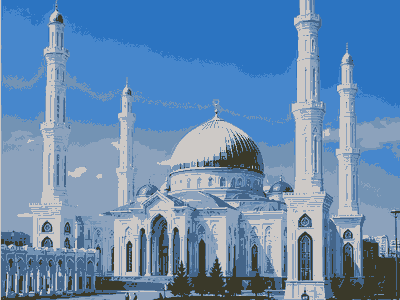
Nur-Astana Mosque
Nur-Astana Mosque anchors the historic and ceremonial side of Astana, making it a practical stop for architecture, local memory and orientation.
View on map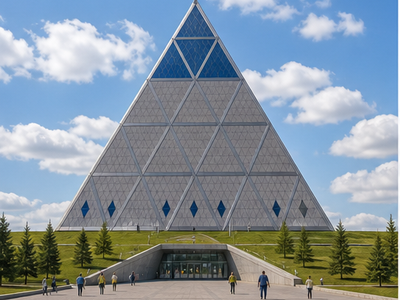
Palace of Peace and Reconciliation
Palace of Peace and Reconciliation anchors the historic and ceremonial side of Astana, making it a practical stop for architecture, local memory and orientation.
View on map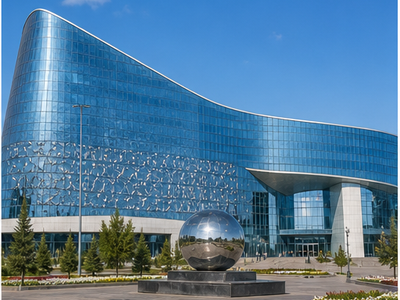
National Museum of Kazakhstan
National Museum of Kazakhstan is a key Astana culture stop, useful for understanding local history, collections and rainy-day planning near the main sightseeing route.
View on map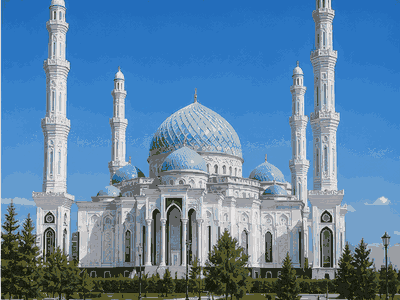
Hazrat Sultan Mosque
Hazrat Sultan Mosque anchors the historic and ceremonial side of Astana, making it a practical stop for architecture, local memory and orientation.
View on mapStay overview
Start with City centre for the easiest first Astana stay, then compare Old Town and Waterfront when price, nightlife, quieter evenings or transfer timing matter more than being beside every major sight.
Hotels & areas
Astana hotel choice is mostly about repeat journeys: use City centre for sightseeing, Old Town for a different local base, and Waterfront or Airport area when views, parking, airport timing or longer stays matter.
City centre
City centre is the most practical first base in Astana, keeping main sights, restaurants and short local transfers close.
Best for: first visits, sightseeing, restaurantsSee hotel optionsOld Town
Old Town is the most practical first base in Astana, keeping main sights, restaurants and short local transfers close.
Best for: first visits, sightseeing, restaurantsSee hotel optionsWaterfront
Waterfront suits travellers who want views, evening walks and a calmer base while still keeping central Astana reachable.
Best for: views, quieter evenings, walksSee hotel optionsAirport area
Airport area works mainly for early departures, late arrivals or car pickup, not for a first Astana sightseeing base.
Best for: early flights, late arrivals, car pickupSee hotel optionsFlights & airports
Nursultan Nazarbayev International Airport (NQZ) arrival plan
- Nursultan Nazarbayev International Airport (NQZ)About 17 km from the centre
Compare airport access against hotel location, arrival time, rental car pickup, late flights and onward driving before choosing the first night base.
Rental cars
Astana day-trip car use
Do not rent a car for central Astana unless parking and traffic are part of the plan; use one mainly for regional day trips.
Compare rental carsTravel tips
Best base
Choose City centre for a first stay because it keeps main sights, restaurants and practical local movement close.
Airport timing
Leave extra time for Astana Nursultan Nazarbayev, especially for early flights, late arrivals, traffic or unfamiliar transfer routes.
Local movement
Plan each day in clusters around Bayterek Tower and Khan Shatyr so transfers do not consume the best sightseeing hours.
Day trips
Keep one flexible slot for nearby routes from Astana, checking weather, transport and opening hours before committing.
City history
At present, Astana is expanding into the territory of ancient Bozok. Early years (1830–1918) The settlement of Akmoly was established on the Ishim river on 18 June 1830 as the seat of an okrug.
In 1832, the settlement was granted town status and named Akmolinsk.
In 1838, at the height of the great national and liberation movement headed by Kenesary Khan, the Akmolinsk Fortress was burned.
In 1869, Akmolinsk's external district and department were canceled, and Akmolinsk became the center of the newly established Akmolinsk Oblast.
In 1879, Major General Dubelt proposed to build a railway between Tyumen and Akmolinsk to the Ministry of Communications of Russia.
In 1893, Akmolinsk was an uyezd with a population of 6,428 residents, three churches, five schools and colleges, and three factories. Soviet era (1918–1991) The regional historical museum and state archive were founded in.
During World War II, in connection with the formation of the Polish Anders' Army, a Polish diplomatic post was located in the city from February to July 1942.
In 1954, Northern Kazakh SSR oblasts became a territory of the Virgin Lands Campaign, in order to turn the region into a second grain producer for the Soviet Union.
In 1971, the Tselinniy Krai was abolished and Tselinograd became the oblast's new capital. Contemporary era (1991–present) After the dissolution of the Soviet Union and the consequent independence of Kazakhstan, the city's name was.
After the capital of Kazakhstan was moved from Almaty to Akmola on 10 December 1997, the city was consequently renamed Astana in 1998.
After the repression of the liberation movement, the fortress was rebuilt.
During the rapid development of the Russian capitalist market, the huge Saryarka areas were actively exploited by the colonial administration.
During World War II, Akmolinsk served as a route for the transport of engineering tools and equipment from evacuated plants in the Ukrainian SSR, Byelorussian SSR, and Russian SFSR located in the oblasts of.
In addition, the city received a number of new monumental public buildings, including the Virgin Lands Palace, a Palace of Youth, a House of Soviets, a new airport, and several sports venues.