Forecast
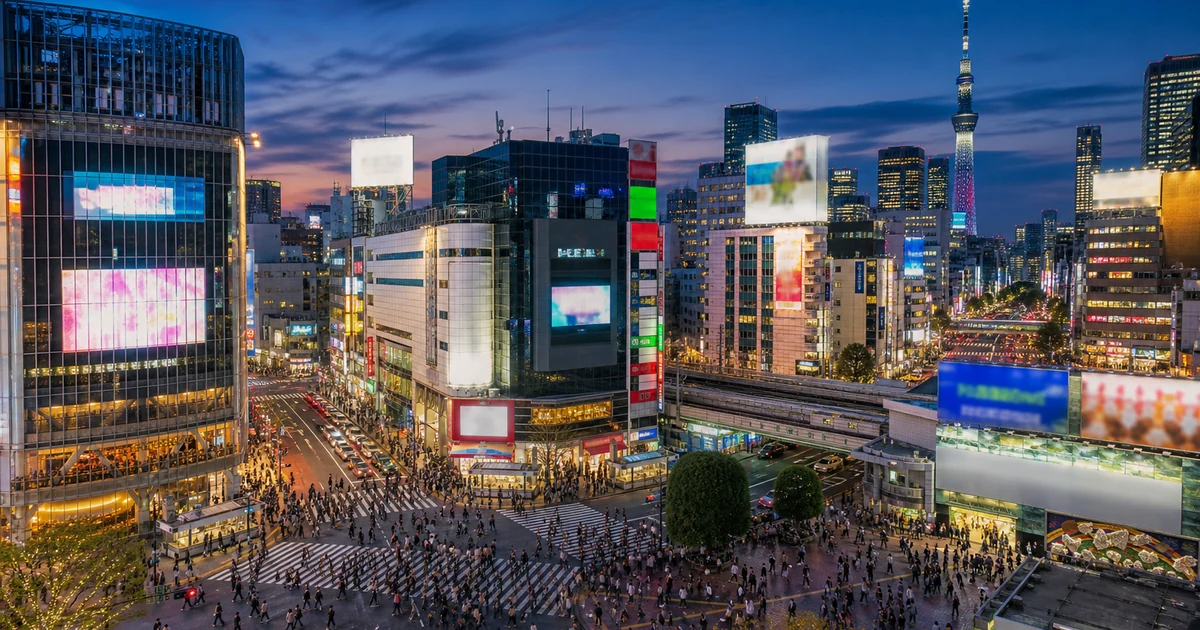
Tokyo
Local time--:--
Asia/TokyoWeather Forecast
Tokyo, JapanOpen-Meteo forecast.
Tokyo city overview
Tokyo works best as a base in Japan when you anchor days around Senso-ji, Shibuya Crossing and Tokyo Skytree. Use those sights to understand the city's history, street life and visitor rhythm. Tokyo Narita handles the main arrival flow, so hotel choice should balance the centre, transfer time and day-trip plans.
Worth seeing
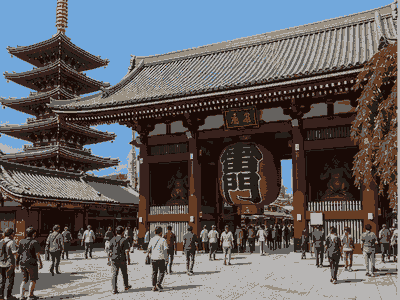
Senso-ji
Senso-ji is a named stop in Tokyo worth keeping on the route when it fits the day's transport, timing and neighborhood plan.
View on map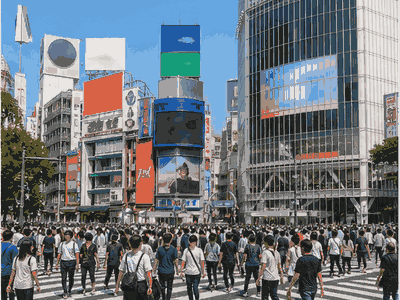
Shibuya Crossing
Shibuya Crossing is a named stop in Tokyo worth keeping on the route when it fits the day's transport, timing and neighborhood plan.
View on map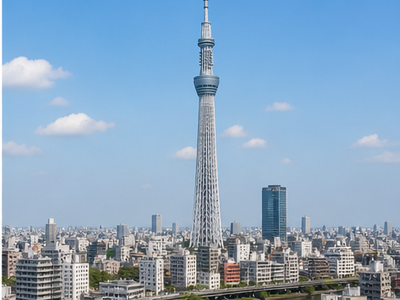
Tokyo Skytree
Tokyo Skytree is a named stop in Tokyo worth keeping on the route when it fits the day's transport, timing and neighborhood plan.
View on map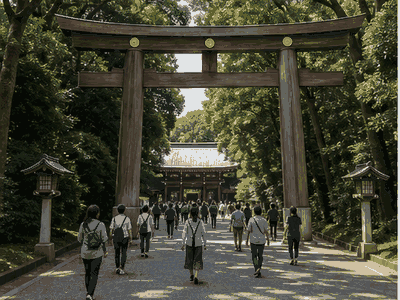
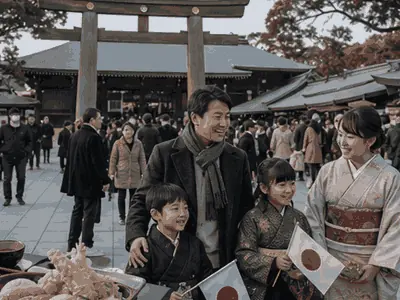
Meiji Shrine
Meiji Shrine anchors the historic and ceremonial side of Tokyo, making it a practical stop for architecture, local memory and orientation.
View on map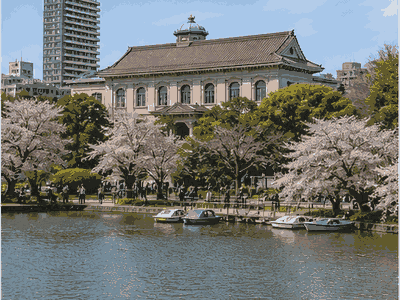
Ueno Park
Ueno Park adds outdoor time to a Tokyo stay, with open space, views or waterfront breathing room between denser city sights.
View on map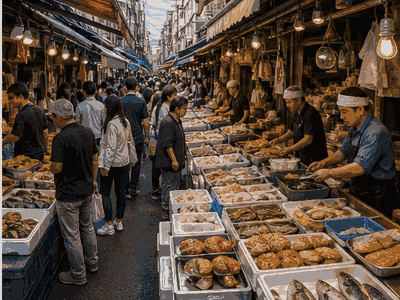
Tsukiji Outer Market
Tsukiji Outer Market gives Tokyo a concrete street-life stop, with food, everyday shopping and local movement that helps visitors read the city.
View on mapStay overview
Start with City centre for the easiest first Tokyo stay, then compare Old Town and Waterfront when price, nightlife, quieter evenings or transfer timing matter more than being beside every major sight.
Hotels & areas
Tokyo hotel choice is mostly about repeat journeys: use City centre for sightseeing, Old Town for a different local base, and Waterfront or Airport area when views, parking, airport timing or longer stays matter.
City centre
City centre is the most practical first base in Tokyo, keeping main sights, restaurants and short local transfers close.
Best for: first visits, sightseeing, restaurantsSee hotel optionsOld Town
Old Town is the most practical first base in Tokyo, keeping main sights, restaurants and short local transfers close.
Best for: first visits, sightseeing, restaurantsSee hotel optionsWaterfront
Waterfront suits travellers who want views, evening walks and a calmer base while still keeping central Tokyo reachable.
Best for: views, quieter evenings, walksSee hotel optionsAirport area
Airport area works mainly for early departures, late arrivals or car pickup, not for a first Tokyo sightseeing base.
Best for: early flights, late arrivals, car pickupSee hotel optionsFlights & airports
Tokyo Haneda International Airport (HND) arrival plan
- Tokyo Haneda International Airport (HND)About 18 km from the centre
To the centre: Tokyo Monorail to Hamamatsucho every ~10 min; Keikyu limousine bus ~40 min, about 20 min (Suica/Pasmo or ticket).
- Narita International Airport (NRT)About 64 km from the centre
To the centre: Narita Express (N'EX) to Tokyo Station every 30 min; Keisei Skyliner to Ueno ~45 min; limousine bus 75–125 min, about 60 min (JR N'EX ticket (round-trip sold at JR offices)).
- Ibaraki Airport (IBR)About 85 km from the centre
Compare airport access against hotel location, arrival time, rental car pickup, late flights and onward driving before choosing the first night base.
Public transport
- JR, Tokyo Metro (9 lines), Toei Subway (4 lines)Prepaid Suica or Pasmo card for trains, subways and buses; services ~5 am–midnight
- TaxiTaxi stands, Uber, DiDi, GO — Expensive, higher rates 11 pm–5 am and weekends; no tipping
Rental cars
Tokyo day-trip car use
Do not rent a car for central Tokyo unless parking and traffic are part of the plan; use one mainly for regional day trips.
Compare rental carsTravel tips
Best base
Choose City centre for a first stay because it keeps main sights, restaurants and practical local movement close.
Airport timing
Leave extra time for Tokyo Narita, especially for early flights, late arrivals, traffic or unfamiliar transfer routes.
Local movement
Plan each day in clusters around Senso-ji and Shibuya Crossing so transfers do not consume the best sightseeing hours.
Day trips
Keep one flexible slot for nearby routes from Tokyo, checking weather, transport and opening hours before committing.
Nearby ideas
Town · about 1 h · JR Yokosuka line from Tokyo Station
Kamakura
The Great Buddha, temple hiking trails and a beach, all reachable on one local line.
View on mapHeritage · about 1 h 15 min · Tobu Limited Express from Asakusa
Nikko
Toshogu's carved gold shrine in a cedar forest, with waterfalls and Lake Chuzenji above it.
View on mapMountain · about 1 h · Keio line from Shinjuku to Takaosanguchi
Mount Takao
A cable car and six marked trails up a 599-metre peak; the autumn colours draw crowds in November.
View on mapTown · about 30 min · Tobu Tojo line from Ikebukuro
Kawagoe
Clay-walled Edo merchant houses and a bell tower that still rings four times a day.
View on map

City history
During the subsequent Jomon period, the Holocene glacial retreat caused sea levels in Tokyo Bay to rise by 120 cm, with the coastline running along the edge of what is now the Imperial Palace.
During the Heian period, Edo was first fortified by the Edo clan in the late twelfth century, and in 1457, Ōta Dōkan built Edo Castle to defend the region from the Chiba clan.
When he became shōgun, the de facto ruler of the country, in 1603, the whole country came to be ruled by Edo.
Meanwhile, supporters of the Emperor leveraged the disruption caused by widespread rebellious demonstrations to further consolidate power, which resulted in the overthrow of the last Tokugawa shōgun, Yoshinobu, in 1867 and the end of.
During the Meiji Restoration in 1868, the name of the city was changed to Tokyo (東京; from 東 tō 'east', and 京 kyō 'capital'), when it became the new imperial capital, in line with.
The former Edo Castle became the new Imperial Palace, and Government ministries such as the Ministry of Finance were relocated to Tokyo by 1871.
The City of Tokyo was officially established on May 1, 1889.
On September 1, 1923, the Great Kanto Earthquake struck the city, and the earthquake and subsequent fire killed an estimated 105,000 citizens.
The Tokyo Metro Ginza Line portion between Ueno and Asakusa, the first underground railway line built outside Europe and the American continents, was completed on December 30, 1927.
Rationing started in June 1940 as the nation braced itself for another world war, while the 26th Centenary of the Enthronement of Emperor Jimmu celebrations took place on a grand scale to boost morale.
On December 7, 1941, Japan attacked the American bases at Pearl Harbor in Hawaii, entering the Second World War against the Allied Powers.
In 1978, after years of the intense Sanrizuka Struggle, Narita International Airport opened as the new gateway to the city, while the relatively small Haneda Airport switched to primarily domestic flights.
The absence of war-inflicted devastation allowed Edo to devote the majority of its resources to rebuilding in the wake of consistent fires, earthquakes and other devastating natural disasters, and Edo grew into one of.
The Tokyo Stock Exchange became the largest stock exchange in the world by market capitalization, with the Tokyo-based NTT becoming the most highly valued company globally.