Forecast
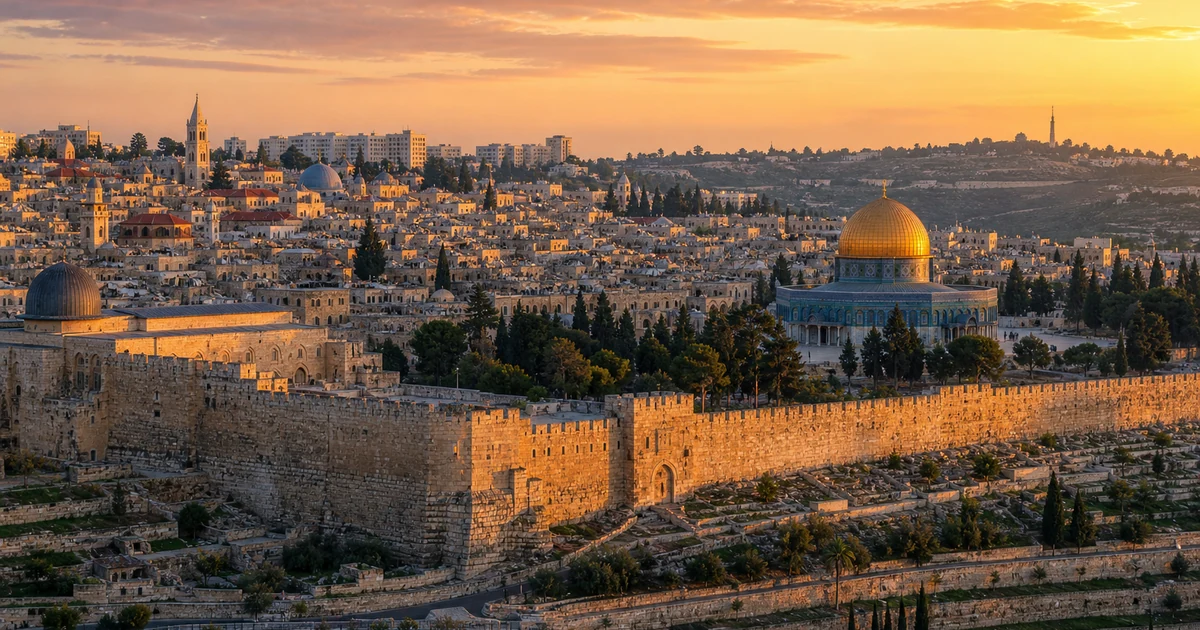
Jerusalem
Local time--:--
Asia/JerusalemWeather Forecast
Jerusalem, IsraelOpen-Meteo forecast.
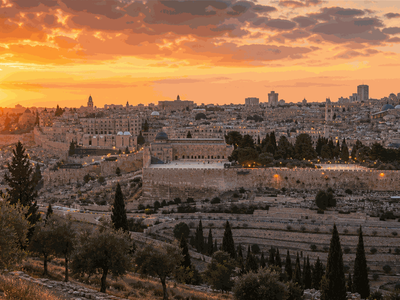
Jerusalem city overview
Jerusalem works best as a base in Israel when you anchor days around Western Wall, Church of the Holy Sepulchre and Dome of the Rock. Use those sights to understand the city's history, street life and visitor rhythm. Tel Aviv Ben Gurion handles the main arrival flow, so hotel choice should balance the centre, transfer time and day-trip plans.

Worth seeing
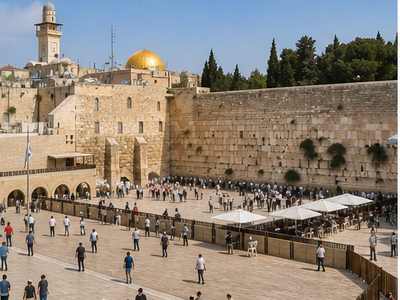
Western Wall
Western Wall is a named stop in Jerusalem worth keeping on the route when it fits the day's transport, timing and neighborhood plan.
View on map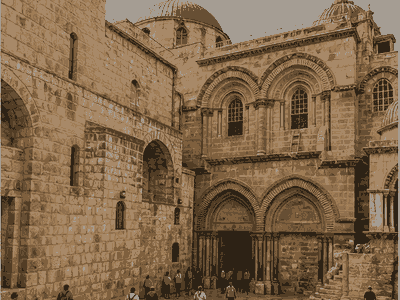
Church of the Holy Sepulchre
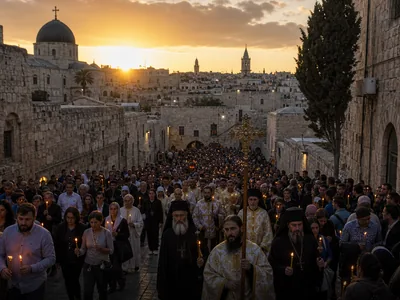
Church of the Holy Sepulchre anchors the historic and ceremonial side of Jerusalem, making it a practical stop for architecture, local memory and orientation.
View on map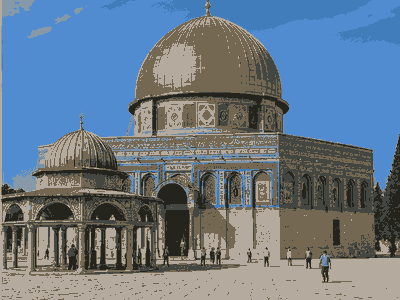
Dome of the Rock
Dome of the Rock gives Jerusalem a greener or more scenic stop, useful when the route needs views, shade, walking space or a slower hour.
View on map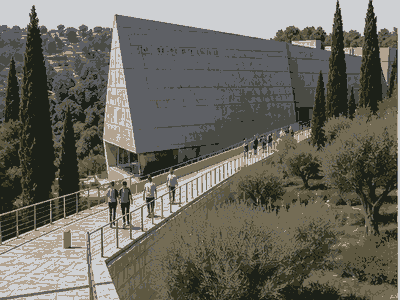
Yad Vashem
Yad Vashem is a named stop in Jerusalem worth keeping on the route when it fits the day's transport, timing and neighborhood plan.
View on map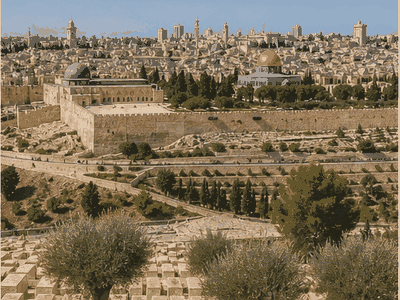
Mount of Olives
Mount of Olives adds outdoor time to a Jerusalem stay, with open space, views or waterfront breathing room between denser city sights.
View on map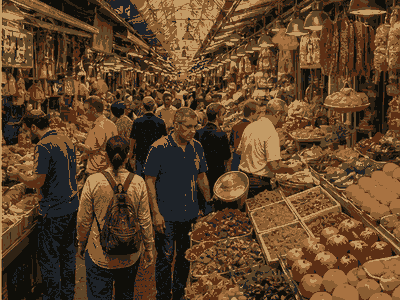
Mahane Yehuda Market
Mahane Yehuda Market gives Jerusalem a concrete street-life stop, with food, everyday shopping and local movement that helps visitors read the city.
View on mapStay overview
Start with City centre for the easiest first Jerusalem stay, then compare Old Town and Waterfront when price, nightlife, quieter evenings or transfer timing matter more than being beside every major sight.
Hotels & areas
Jerusalem hotel choice is mostly about repeat journeys: use City centre for sightseeing, Old Town for a different local base, and Waterfront or Airport area when views, parking, airport timing or longer stays matter.
City centre
City centre is the most practical first base in Jerusalem, keeping main sights, restaurants and short local transfers close.
Best for: first visits, sightseeing, restaurantsSee hotel optionsOld Town
Old Town is the most practical first base in Jerusalem, keeping main sights, restaurants and short local transfers close.
Best for: first visits, sightseeing, restaurantsSee hotel optionsWaterfront
Waterfront suits travellers who want views, evening walks and a calmer base while still keeping central Jerusalem reachable.
Best for: views, quieter evenings, walksSee hotel optionsAirport area
Airport area works mainly for early departures, late arrivals or car pickup, not for a first Jerusalem sightseeing base.
Best for: early flights, late arrivals, car pickupSee hotel optionsFlights & airports
Ben Gurion International Airport (TLV) arrival plan
- Ben Gurion International Airport (TLV)About 41 km from the centre
Compare airport access against hotel location, arrival time, rental car pickup, late flights and onward driving before choosing the first night base.
- Queen Alia International Airport (AMM)About 74 km from the centre
Compare airport access against hotel location, arrival time, rental car pickup, late flights and onward driving before choosing the first night base.
Rental cars
Jerusalem day-trip car use
Do not rent a car for central Jerusalem unless parking and traffic are part of the plan; use one mainly for regional day trips.
Compare rental carsTravel tips
Best base
Choose City centre for a first stay because it keeps main sights, restaurants and practical local movement close.
Airport timing
Leave extra time for Tel Aviv Ben Gurion, especially for early flights, late arrivals, traffic or unfamiliar transfer routes.
Local movement
Plan each day in clusters around Western Wall and Church of the Holy Sepulchre so transfers do not consume the best sightseeing hours.
Day trips
Keep one flexible slot for nearby routes from Jerusalem, checking weather, transport and opening hours before committing.
City history
The city is first mentioned in Egyptian Execration texts around 2000 BCE as "Rusalimum." By the 17th century BCE Jerusalem had developed into a fortified city under Canaanite rule, with massive walls protecting its.
The city's importance grew during the Israelite period, which began around 1000 BCE when King David captured Jerusalem and made it the capital of the United Kingdom of Israel.
Following the kingdom's split Jerusalem became the capital of the Kingdom of Judah until it was captured by the Neo-Babylonian Empire in 586 BCE.
The Hasmonean revolt in 164 BCE briefly restored Jewish sovereignty, with Jerusalem as the capital of an independent state.
A few decades later, the city was rebuilt as the Roman colony Aelia Capitolina, dedicated to Jupiter, provoking the Bar Kokhba Revolt (132–136 CE).
This policy was not recognised as such internationally because UN General Assembly Resolution 194 envisaged Jerusalem as an international city; the American government opposed the move and insisted that Israel's capital remain in Tel.
In 638 CE, Jerusalem was conquered by the Rashidun Caliphate, and under early Islamic rule, the Dome of the Rock and Al-Aqsa Mosque were built, solidifying its religious importance in Islam.
It remained under Islamic control through the Ayyubid and Mamluk periods, until it became part of the Ottoman Empire in 1517.
In December 1949, Israeli prime minister David Ben-Gurion declared the area of West Jerusalem that it controlled as "Israel's eternal capital," a policy that was affirmed by the Knesset in January 1950.
The United Nations Security Council passed Resolution 478 on 20 August 1980, which declared that the Jerusalem Law is "a violation of international law", is "null and void and must be rescinded forthwith".
The municipal complex, comprising two modern buildings and ten renovated historic buildings surrounding a large plaza, opened in 1993 when it moved from the old town hall building built by the Mandate authorities.
In 1995 the United States Congress passed the Jerusalem Embassy Act, which required, subject to conditions, that its embassy be moved from Tel Aviv to Jerusalem.
A poll conducted in June 2013 found that 74% of Israeli Jews reject the idea of a Palestinian capital in any portion of Jerusalem, though 72% of the public regarded it as a divided.
Called the "Fortress of Zion" (metsudat Zion), it was renamed as the "City of David", and was known by this name in antiquity.