Forecast
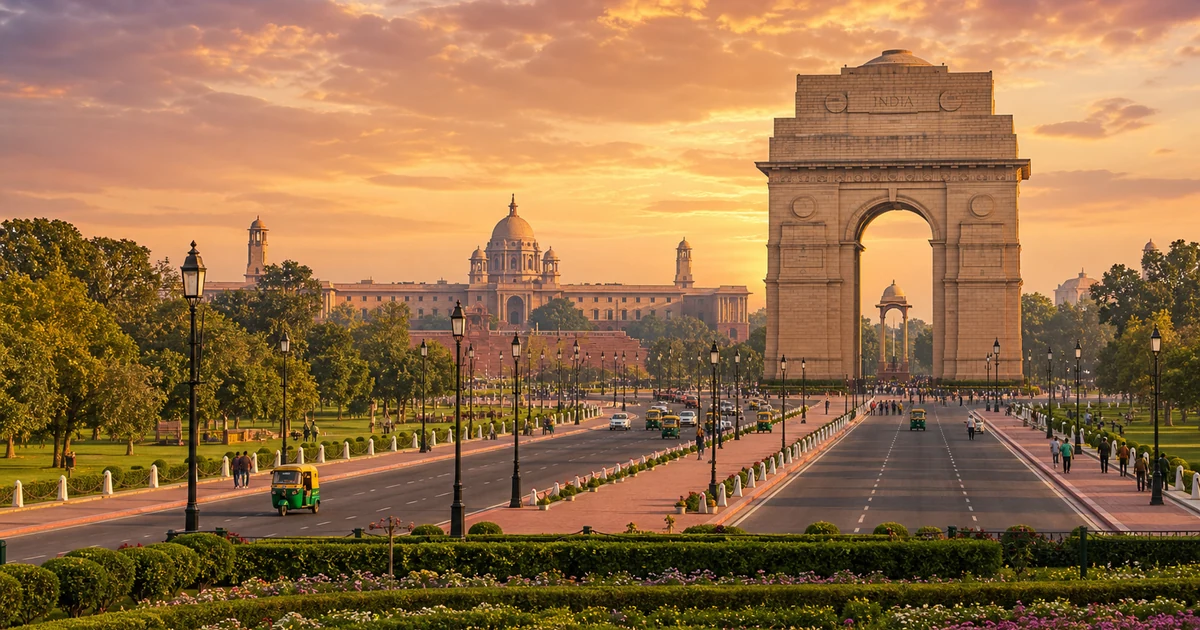
New Delhi
Local time--:--
Asia/KolkataWeather Forecast
New Delhi, IndiaOpen-Meteo forecast.
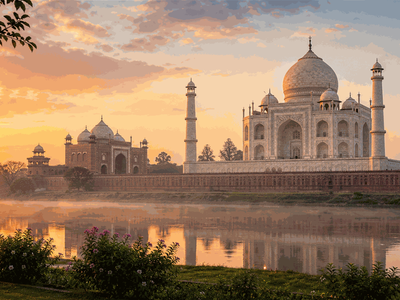
New Delhi city overview
New Delhi works best as a base in India when you anchor days around India Gate, Rashtrapati Bhavan and Humayun's Tomb. Use those sights to understand the city's history, street life and visitor rhythm. New Delhi International Airport handles the main arrival flow, so hotel choice should balance the centre, transfer time and day-trip plans.
Worth seeing
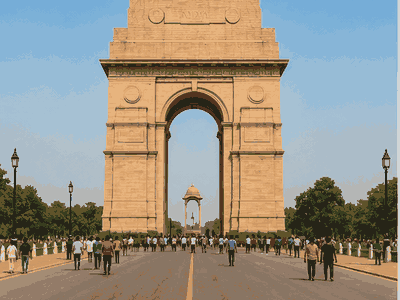
India Gate
India Gate is a clear heritage marker in New Delhi, best used as a fixed point when grouping nearby streets, monuments and viewpoints.
View on map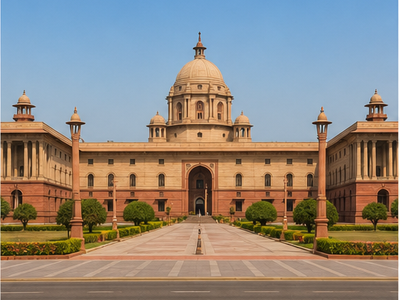
Rashtrapati Bhavan
Rashtrapati Bhavan is a named stop in New Delhi worth keeping on the route when it fits the day's transport, timing and neighborhood plan.
View on map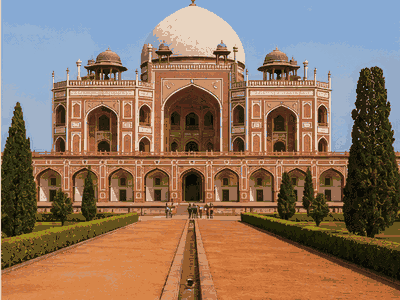
Humayun's Tomb
Humayun's Tomb is a named stop in New Delhi worth keeping on the route when it fits the day's transport, timing and neighborhood plan.
View on map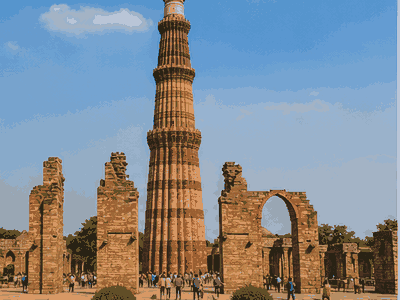
Qutub Minar
Qutub Minar is a named stop in New Delhi worth keeping on the route when it fits the day's transport, timing and neighborhood plan.
View on map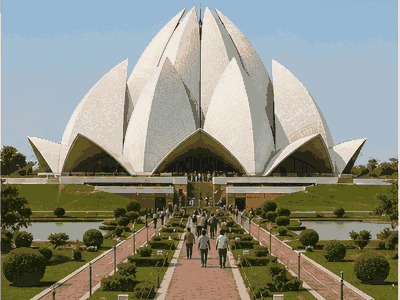
Lotus Temple
Lotus Temple anchors the historic and ceremonial side of New Delhi, making it a practical stop for architecture, local memory and orientation.
View on map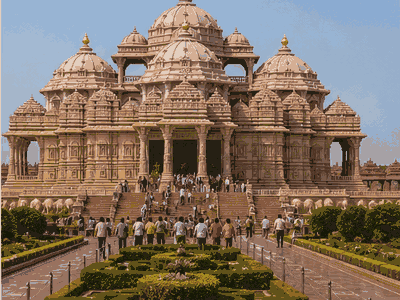
Akshardham
Akshardham is a named stop in New Delhi worth keeping on the route when it fits the day's transport, timing and neighborhood plan.
View on mapStay overview
Start with City centre for the easiest first New Delhi stay, then compare Old Town and Waterfront when price, nightlife, quieter evenings or transfer timing matter more than being beside every major sight.
Hotels & areas
New Delhi hotel choice is mostly about repeat journeys: use City centre for sightseeing, Old Town for a different local base, and Waterfront or Airport area when views, parking, airport timing or longer stays matter.
City centre
City centre is the most practical first base in New Delhi, keeping main sights, restaurants and short local transfers close.
Best for: first visits, sightseeing, restaurantsSee hotel optionsOld Town
Old Town is the most practical first base in New Delhi, keeping main sights, restaurants and short local transfers close.
Best for: first visits, sightseeing, restaurantsSee hotel optionsWaterfront
Waterfront suits travellers who want views, evening walks and a calmer base while still keeping central New Delhi reachable.
Best for: views, quieter evenings, walksSee hotel optionsAirport area
Airport area works mainly for early departures, late arrivals or car pickup, not for a first New Delhi sightseeing base.
Best for: early flights, late arrivals, car pickupSee hotel optionsFlights & airports
Indira Gandhi International Airport (DEL) arrival plan
- Indira Gandhi International Airport (DEL)About 14 km from the centre
Compare airport access against hotel location, arrival time, rental car pickup, late flights and onward driving before choosing the first night base.
- Noida International Airport (DXN)About 63 km from the centre
Compare airport access against hotel location, arrival time, rental car pickup, late flights and onward driving before choosing the first night base.
Rental cars
New Delhi day-trip car use
Do not rent a car for central New Delhi unless parking and traffic are part of the plan; use one mainly for regional day trips.
Compare rental carsTravel tips
Best base
Choose City centre for a first stay because it keeps main sights, restaurants and practical local movement close.
Airport timing
Leave extra time for New Delhi International Airport, especially for early flights, late arrivals, traffic or unfamiliar transfer routes.
Local movement
Plan each day in clusters around India Gate and Rashtrapati Bhavan so transfers do not consume the best sightseeing hours.
Day trips
Keep one flexible slot for nearby routes from New Delhi, checking weather, transport and opening hours before committing.
Nearby ideas
Heritage · about 1 h 15 min · Gatimaan Express from Hazrat Nizamuddin
Agra and the Taj Mahal
The marble mausoleum changes colour through the day; it closes on Fridays.
View on mapHeritage · about 1 h 15 min · car south-west on NH48 towards Jaipur
Neemrana Fort
A fifteenth-century hillside fort terraced over twelve levels, with a zip line across the ravine.
View on mapNature · about 1 h · car south-west via Gurugram
Sultanpur National Park
A shallow lake that fills with migratory birds from October to March, walkable on a loop path.
View on mapNature · about 1 h 15 min · car south on the Gurugram-Sohna road
Damdama Lake and the Aravallis
Boating and low rocky hills on the edge of the Aravalli range, a standard Delhi weekend escape.
View on mapUpcoming events
City history
Establishment Until December 1911, Calcutta was the capital of India during British rule.
After the capital of India moved to Delhi, a temporary secretariat building was constructed in a few months in 1912 in North Delhi.
The New Delhi Railway Station opened in 1926, with a single platform at Ajmeri Gate near Paharganj, and was completed in time for the city's inauguration in 1931.
Construction really began after World War I and was completed by 1931.
The Constitution (Sixty-ninth Amendment) Act, 1991 declared the Union Territory of Delhi to be formally known as the National Capital Territory of Delhi.
During the early 1900s, a proposal was made to the British administration to shift the capital of the British Indian Empire, as India was officially named, from Calcutta on the east coast, to Delhi.
Built in the 1940s, to house government employees, with bungalows for senior officials in the nearby Lodi Estate area, Lodi Colony near historic Lodi Gardens, was the last residential areas built by the British.
However, it had become the centre of the nationalist movements since the late nineteenth century, which led to the partition of Bengal by Viceroy Curzon.
This created a massive upsurge in political and religious activity including political assassinations of British officials in Calcutta.
The anti-colonial sentiments among the public led to a complete boycott of British goods, which forced the colonial government to reunite Bengal and immediately shift the capital to New Delhi.
The original plan called for its construction in Tughlaqabad, inside the Tughlaqabad Fort, but this was given up because of the Delhi-Calcutta trunk line that passed through the fort.
Indeed, the Delhi Town Planning Committee, set up to plan the new imperial capital, with George Swinton as chairman, and John A.
Before construction could begin on the rocky ridge of Raisina Hill, a circular railway line around the Council House (now Parliament House), called the Imperial Delhi Railway, was built to transport construction material and.
Most of the government offices of the new capital moved here from the 'Old secretariat' in Old Delhi (the building now houses the Delhi Legislative Assembly), a decade before the new capital was inaugurated.