Forecast
Lusaka
Local time--:--
Africa/LusakaWeather Forecast
Lusaka, ZambiaOpen-Meteo forecast.
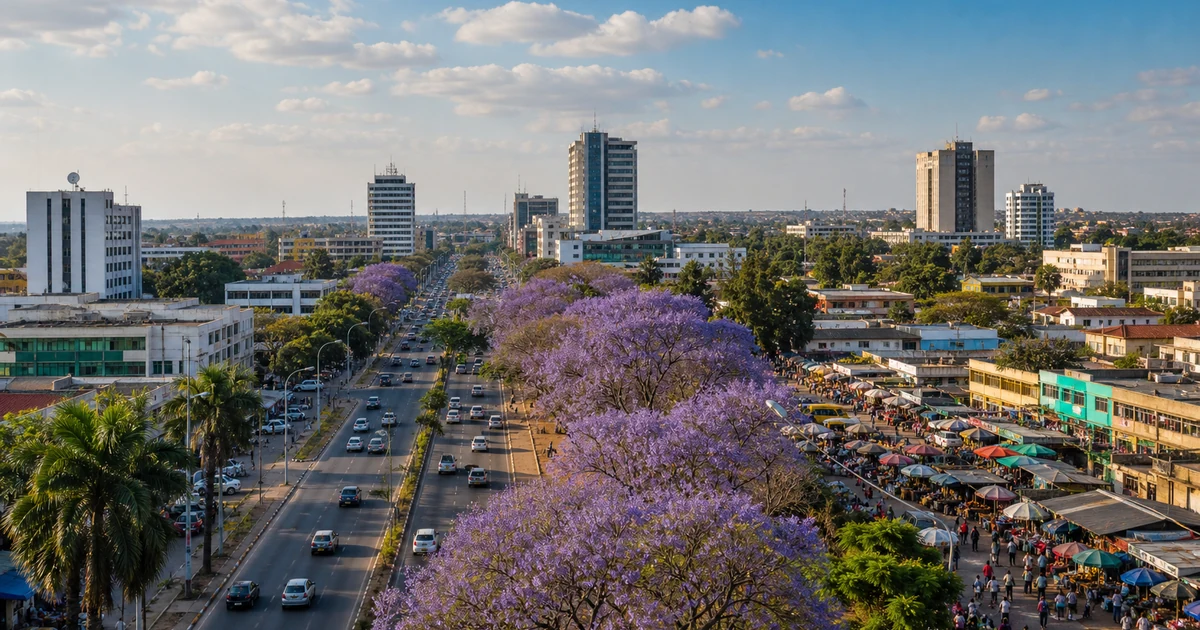
Lusaka city overview
Lusaka is Zambia's plateau capital, a fast-growing commercial hub centred on the long, shop-lined Cairo Road. First-time visitors should browse crafts at Kabwata Cultural Village, learn Zambian history at the Lusaka National Museum, and pay respects at the Freedom Statue downtown. Kenneth Kaunda International Airport connects the city nationally and regionally, and Lusaka works well as a stopover before heading to Victoria Falls or South Luangwa's safari lodges.
Worth seeing
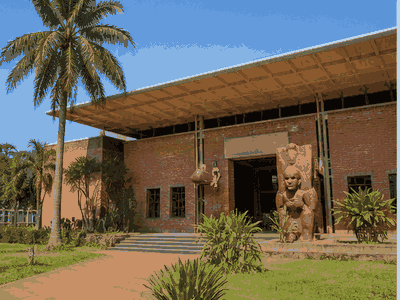
Lusaka National Museum
Lusaka National Museum is a key Lusaka culture stop, useful for understanding local history, collections and rainy-day planning near the main sightseeing route.
View on map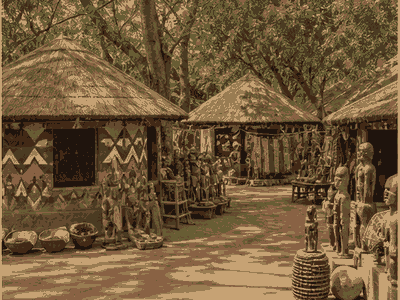
Kabwata Cultural Village
Kabwata Cultural Village gives Lusaka a strong culture stop for museums, exhibitions or local collections, and works best as an indoor anchor in the day's route.
View on map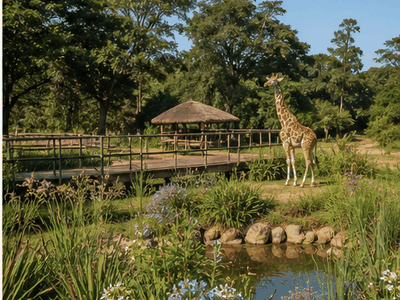
Munda Wanga Environmental Park
Munda Wanga Environmental Park adds outdoor time to a Lusaka stay, with open space, views or waterfront breathing room between denser city sights.
View on map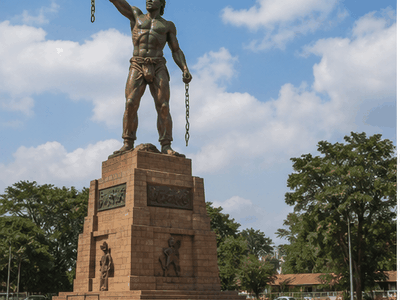
Freedom Statue
Freedom Statue is a named stop in Lusaka worth keeping on the route when it fits the day's transport, timing and neighborhood plan.
View on map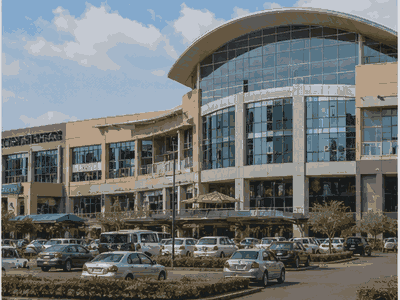
Arcades Shopping Centre
Arcades Shopping Centre gives Lusaka a strong culture stop for museums, exhibitions or local collections, and works best as an indoor anchor in the day's route.
View on map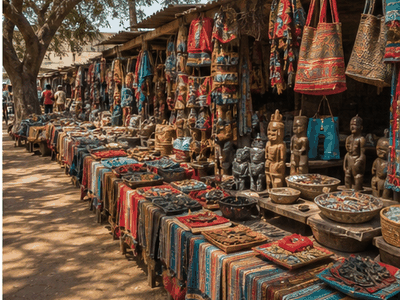
Sunday Crafts Market
Sunday Crafts Market gives Lusaka a concrete street-life stop, with food, everyday shopping and local movement that helps visitors read the city.
View on mapStay overview
Base along Cairo Road for an easy first stay near shops, banks and the National Museum, or choose Kabulonga for quieter, upscale streets and dining. Woodlands and Rhodes Park suit business travelers wanting central offices and embassies within reach.
Hotels & areas
Lusaka hotel choice depends on priorities: Cairo Road suits first-time visitors wanting central sights and shopping, Kabulonga suits longer, quieter stays with good restaurants, and Woodlands or Rhodes Park suit business and diplomatic visitors.
Cairo Road / City Centre
Cairo Road and the surrounding city centre form Lusaka's main commercial strip, with shops, banks and markets within walking distance.
Best for: first visits, shopping, businessSee hotel optionsKabulonga
Kabulonga is an upscale residential suburb of leafy streets, restaurants and some of Lusaka's better guesthouses.
Best for: quiet stays, diningSee hotel optionsWoodlands
Woodlands is a central residential area near malls and embassies, convenient for longer business stays.
Best for: business trips, longer staysSee hotel optionsRhodes Park
Rhodes Park sits close to downtown offices and diplomatic missions, a practical base for short official visits.
Best for: official visits, central accessSee hotel optionsFlights & airports
Kenneth Kaunda International Airport (LUN) arrival plan
- Kenneth Kaunda International Airport (LUN)About 20 km from the centre
Compare airport access against hotel location, arrival time, rental car pickup, late flights and onward driving before choosing the first night base.
Rental cars
Lusaka day-trip car use
A rental car helps for day trips to nearby parks or onward travel toward Livingstone, though central Lusaka is easily covered by taxi or ride-hailing.
Compare rental carsTravel tips
Best base
Choose the Lusaka base by repeat journeys: sights, evening food, station access and the airport transfer should all still work.
Onward travel
Use Lusaka as a stopover when connecting to Victoria Falls, South Luangwa or Lower Zambezi National Park.
Airport transfers
Book a hotel shuttle or taxi from Kenneth Kaunda International Airport for the roughly 30-minute ride into the city.
Craft shopping
Visit Kabwata Cultural Village for Zambian wood carvings and baskets at fairer prices than tourist-area shops.
Nearby ideas
Wildlife
Lower Zambezi National Park
Lower Zambezi National Park offers riverside safaris a few hours from Lusaka, known for elephants, hippos and canoe trips.
View on mapWildlife
Kalimba Reptile Park
Kalimba Reptile Park just outside Lusaka lets visitors see crocodiles and snakes up close, an easy half-day family outing.
View on mapNature
Victoria Falls
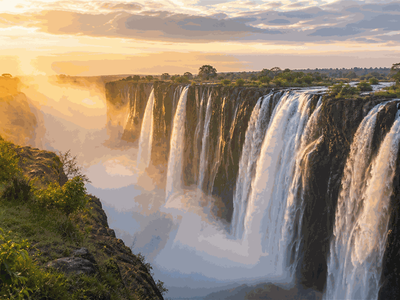
Victoria Falls lies a flight or long drive southwest in Livingstone, one of Africa's most spectacular natural landmarks.
View on mapUpcoming events
City history
The section of line through Lusaka was built by the Mashonaland Railway Company, extending the line by 452 kilometres (281 mi) from Kalomo through to the mining town of Broken Hill (now Kabwe).
Lusaka was founded in 1905 as a water stop on the route and was named after a Chief Lusaaka, the leader of a nearby Lenje village.
The capital was initially at Kalomo, being switched to Livingstone in 1907.
By 1913, several stores and a hotel had opened, and they persuaded the BSAC to declare Lusaka as a recognised town and cede control of local affairs to them.
The water engineer's investigations concluded that there was sufficient groundwater, and the report confirming Lusaka as the planned capital was approved by the legislative council in July 1931.
Lusaka formally became the capital in May 1935, with a "Lusaka week" celebration scheduled to coincide with celebrations of George V's silver jubilee.
The earliest evidence of settlement in the area around what is now the Lusaka area dates to the 6th century.
In the late 19th century, British–South African mining entrepreneur and politician Cecil Rhodes founded the British South African Company (BSAC), with a charter from Queen Victoria to colonise and develop land in sections of.
Young refused their demand to compensate them financially, but he sought to placate them by establishing Livingstone as the protectorate's tourism capital, with a new museum and a game reserve.
He gave prominence to the airport, as well as to the government house, albeit under a simpler design than that envisaged by Storrs.
Lusaka remained the capital of Northern Rhodesia but many of the government departments, as well as some private sector industries, moved to Salisbury, which was designated as the federal capital.
A large-scale building programme in the city followed, including: government buildings, the University of Zambia and a new airport.
Many activists from these territories moved to post-independence Lusaka, and American historian Evan Wade later described it as the "center of anti-colonial resistance for Southern Africa".
In the early days of independence, with high revenues from copper exports, economists described Zambia as a "middle-income country" with the potential to become fully developed.