Forecast
Arusha
Local time--:--
Africa/Dar_es_SalaamWeather Forecast
Arusha, TanzaniaOpen-Meteo forecast.
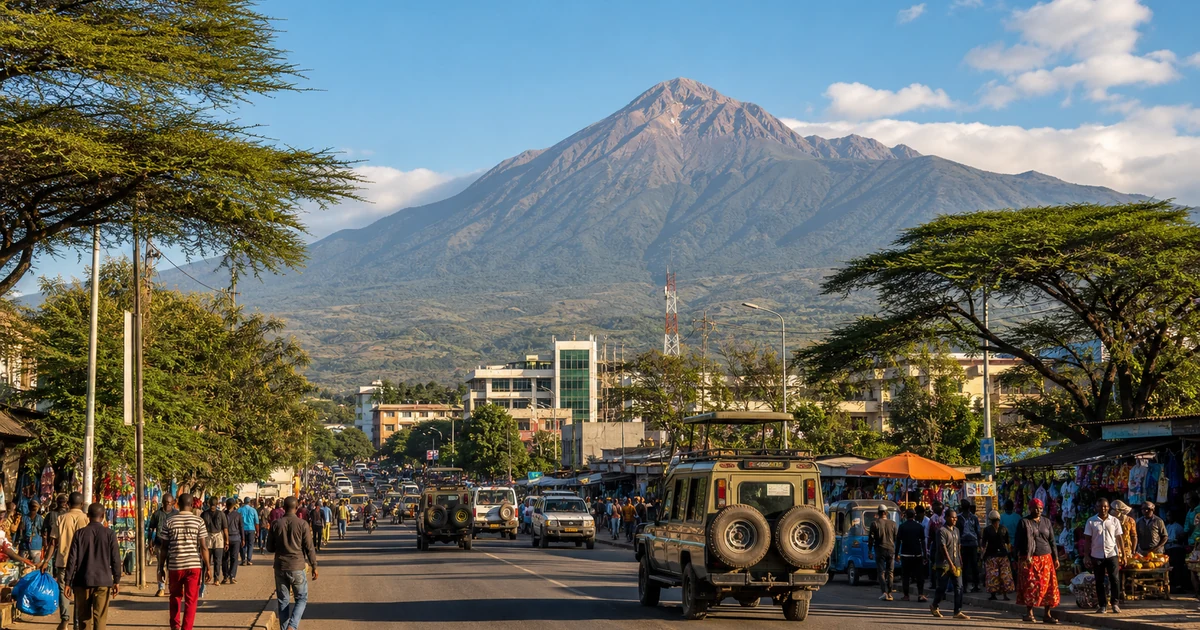
Arusha city overview
Arusha is Tanzania's northern safari hub, ringed by Mount Meru and serving as the launch point for trips to the Serengeti and Ngorongoro Crater.

Worth seeing
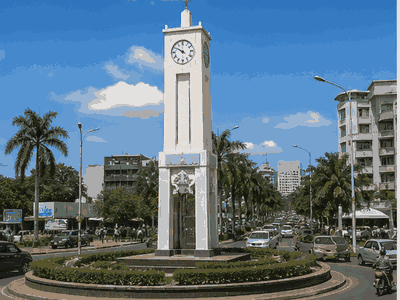
Arusha Clock Tower
Arusha Clock Tower is a clear heritage marker in Arusha, best used as a fixed point when grouping nearby streets, monuments and viewpoints.
View on map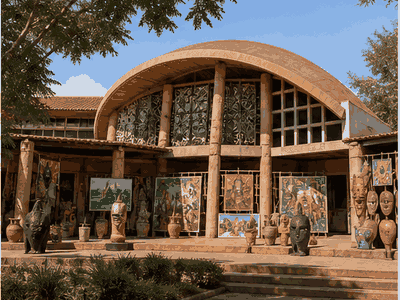
Cultural Heritage Centre
Cultural Heritage Centre gives Arusha a strong culture stop for museums, exhibitions or local collections, and works best as an indoor anchor in the day's route.
View on map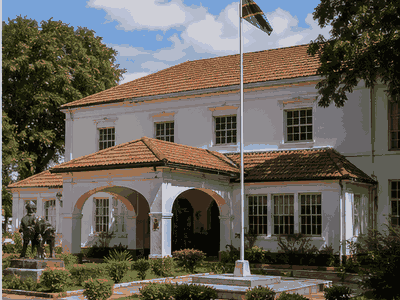
Arusha Declaration Museum
Arusha Declaration Museum is a key Arusha culture stop, useful for understanding local history, collections and rainy-day planning near the main sightseeing route.
View on map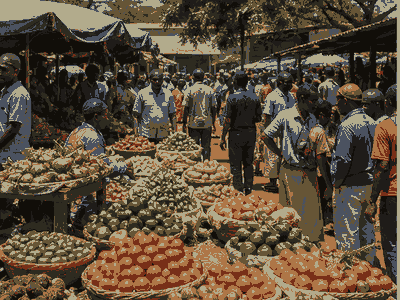
Central Market Arusha
Central Market Arusha gives Arusha a concrete street-life stop, with food, everyday shopping and local movement that helps visitors read the city.
View on map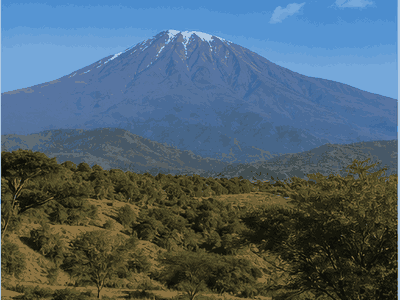
Mount Meru
Mount Meru adds outdoor time to a Arusha stay, with open space, views or waterfront breathing room between denser city sights.
View on map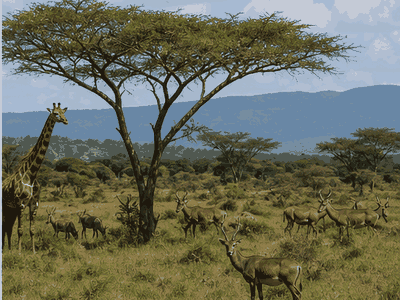
Arusha National Park
Arusha National Park adds outdoor time to a Arusha stay, with open space, views or waterfront breathing room between denser city sights.
View on mapStay overview
Base near the Clock Tower for an easy first stay close to safari operators, restaurants and the market, or choose Njiro for quieter lodges on the hillside. Sakina suits travelers wanting quick airport access, while Kaloleni offers a lower-cost, more local base.
Hotels & areas
Arusha hotel choice depends on priorities: the Clock Tower area suits first-time visitors organising safaris and wanting central restaurants, Njiro suits longer, quieter stays, and Sakina suits those prioritising quick access to Kilimanjaro International Airport.
Clock Tower / City Centre
The Clock Tower area is Arusha's compact centre, packed with safari operator offices, banks and casual restaurants within walking distance.
Best for: first visits, safari planning, walkingSee hotel optionsNjiro
Njiro is an upscale residential hill south of the centre, home to some of Arusha's better guesthouses and lodges.
Best for: quiet stays, longer visitsSee hotel optionsSakina
Sakina lies along the road toward Kilimanjaro International Airport, convenient for early safari departures or late arrivals.
Best for: airport access, early departuresSee hotel optionsKaloleni
Kaloleni is a lively local neighborhood near the market and bus stands, useful for travelers wanting an authentic, budget-friendly base.
Best for: budget stays, local lifeSee hotel optionsFlights & airports
Kilimanjaro International Airport (JRO) arrival plan
- Kilimanjaro International Airport (JRO)About 44 km from the centre
Compare airport access against hotel location, arrival time, rental car pickup, late flights and onward driving before choosing the first night base.
- Arusha Airport (ARK)About 6 km from the centre
Compare airport access against hotel location, arrival time, rental car pickup, late flights and onward driving before choosing the first night base.
Rental cars
Arusha day-trip car use
A rental car with driver-guide is standard for safari trips into the Serengeti and Ngorongoro Crater, though central Arusha itself is easily covered on foot or by taxi.
Compare rental carsTravel tips
Best base
Choose a hotel near the Clock Tower for safari planning and restaurants, or Njiro for a quieter, hillside stay.
Safari logistics
Book your safari operator and vehicle in Arusha a day or two before departure, since most northern-circuit trips start here.
Airport transfers
Allow about 45 minutes for the transfer from Kilimanjaro International Airport, which sits roughly midway between Arusha and Moshi.
Altitude and layering
Pack layers for Arusha's cooler highland evenings, especially if continuing on to the Ngorongoro Crater rim.
Nearby ideas
Nature · about 30 min · car east on the Moshi road
Lake Duluti
A crater lake with a forest rim path, canoeing among monitor lizards and kingfishers.
View on mapNature · about 40 min · car east towards Usa River
Ngurdoto and Usa River
Coffee estates under Mount Meru with a crater viewpoint on the park boundary.
View on mapCity history
Arusha was conquered by the Germans in 1896 after the murder of the first two missionaries who attempted to settle on nearby Mount Meru.
The British took Arusha from the Germans in 1916 during World War I.
The extension of the railroad from Moshi to Arusha in 1928-29 greatly increased commerce.
The Great Depression soon squelched commerce and Arusha in 1940 had fewer than 2,000 residents.
Growth resumed during World War II and by 1948, the population had increased to more than 5,000.
In 1952, a partial census was conducted in Tanganyika, covering cities and towns.
Official documents ceding independence to Tanganyika were signed by the United Kingdom at Arusha in 1961.
The Arusha Accords were signed at the city of Arusha on 4 August 1993, by representatives of competing factions in the Rwandan civil war.
The tribunal has downsized due to its closure in 2014, but its legal successor, the United Nations International Residual Mechanism for Criminal Tribunals established by United Nations Security Council Resolution 1966, will continue entertaining.
The January 2015 Arusha Agreement for South Sudan created a framework for the reunification of South Sudan's ruling SPLM party, which had splintered into three creating a humanitarian crisis as fighting between factions intensified.
During the 1920s, civilian administration was implemented, missionaries from the United States arrived, British and Greek settlers reoccupied the former German farms, and the town grew, especially after the British moved the regional administration.
By the 1950s, Arusha was "a polyglot, westernized little town; it has a Greek community, several Germans predating World War I, and some German Jewish refugees post-dating World War II." A state of emergency.
Many Africans were forcibly displaced from their ancestral lands by the Germans and forced to dig lime or carry stones to construct the fort.
German officials left the area, the British deported German missionaries and settlers, and only a skeletal military administration of the town remained.