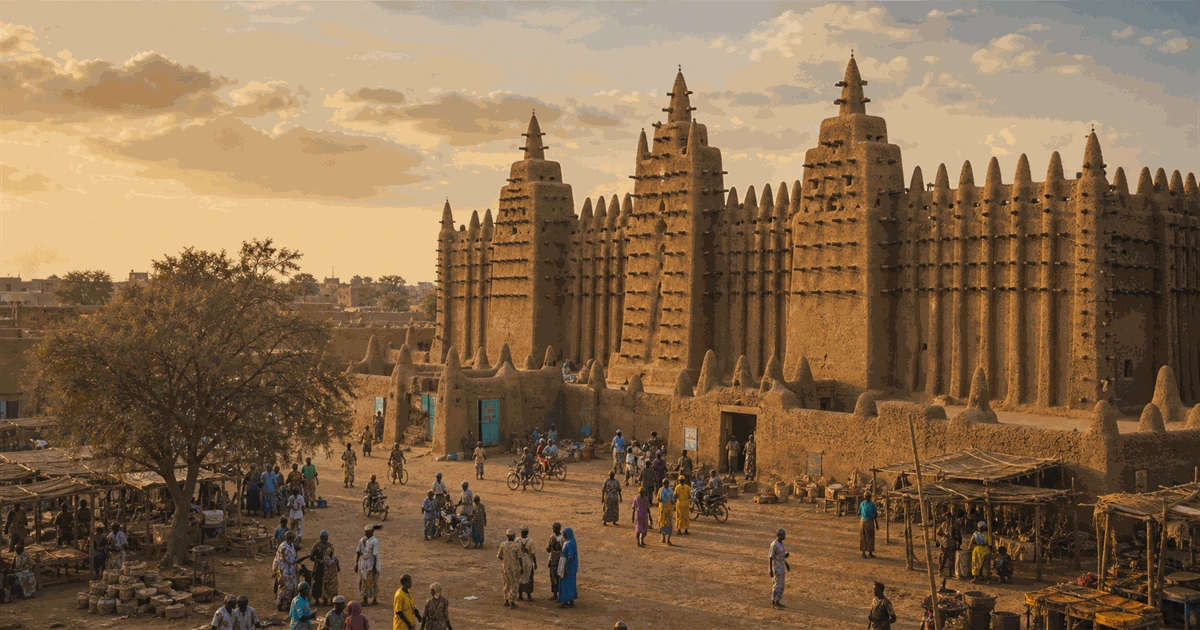

Mali
History
The Mali empire under Sundiata and Mansa Musa controlled the gold and salt trade.
Timbuktu and Djenne became centres of Islamic scholarship.
France established the colony of French Sudan.
Independence came on 22 September after the Mali Federation dissolved.
Rebellion and Islamist advance in the north triggered international intervention.
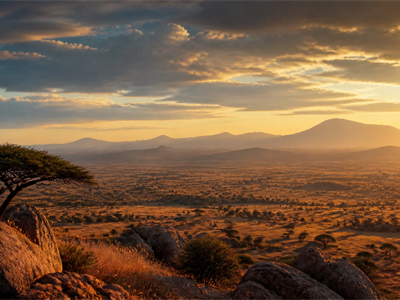 Part ofAfricaMore countries, cities and routes.
Short facts
RegionWest Africa / Sahel
LanguageFrench
Time zoneGMT (UTC+0)
Drives onRight
Worth seeing
- Djenne: The Great Mosque, the largest mud-brick building in the world, a UNESCO site.
- Timbuktu: Medieval mosques and manuscript libraries at the desert's edge.
- Bandiagara Escarpment: Dogon villages built into a 150 km cliff, a UNESCO World Heritage site.
Find a city in Mali
Showing all cities
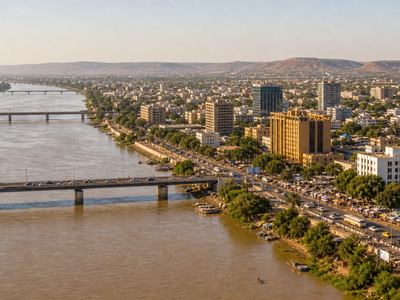 Bamako
Planning questions
What is Mali known for?Djenne, Timbuktu, Bandiagara Escarpment.
What is the capital?Bamako.
Which language is useful?French.
When is the national day?22 September.
How should I browse it here?Start with the facts, jump to linked cities, then check events and topics.
Upcoming events
Use Bamako as the first planning anchor for Mali, then compare the city, food and worth-seeing notes on this page.
Food & drink
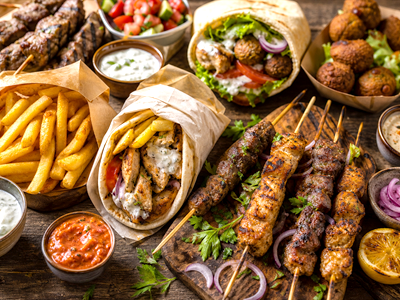 Street food
 Coffee
Known for
DjenneTimbuktuBandiagara EscarpmentBamakoStreet foodCoffee
 Music & Culture