Forecast
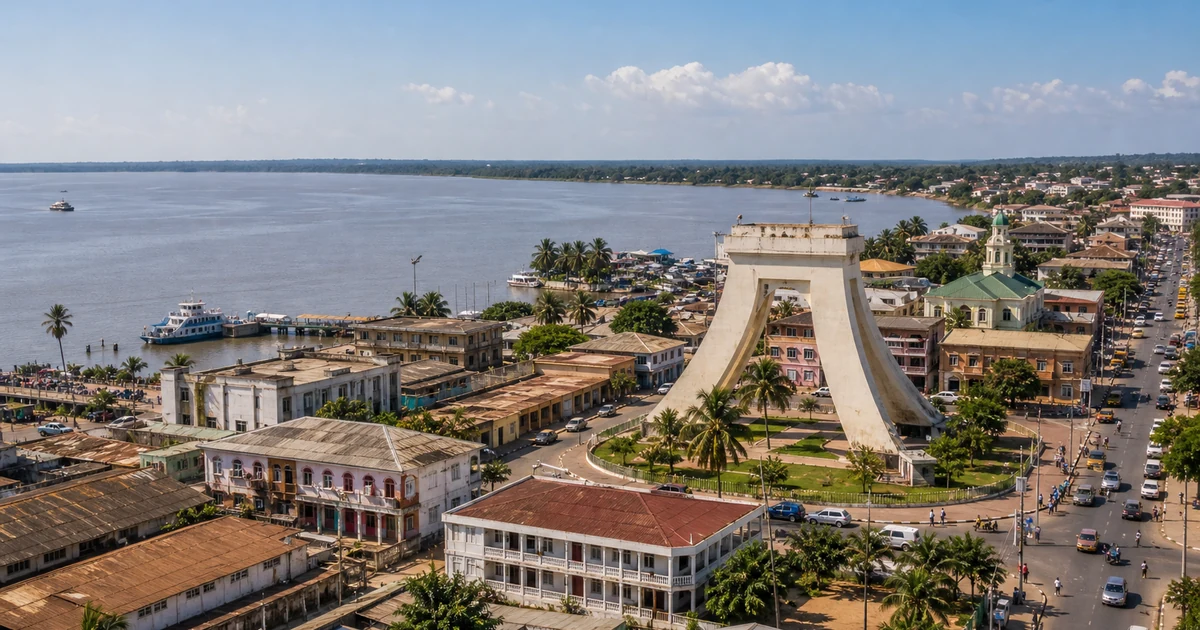
Banjul
Local time--:--
Africa/BanjulWeather Forecast
Banjul, GambiaOpen-Meteo forecast.
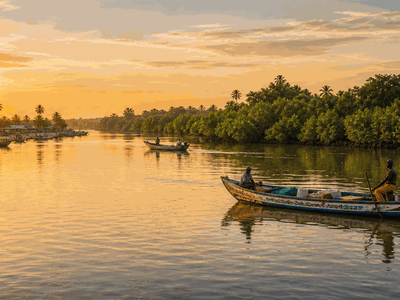
Banjul city overview
Banjul is the Gambia's small island capital, sitting where the Gambia River meets the Atlantic, though most visitors base themselves in the wider Greater Banjul Area. First-time visitors should climb Arch 22 for panoramic views, browse Albert Market for textiles and crafts, and head to the beach resorts of Kotu and Kololi nearby. Banjul International Airport lies south of the city, connecting the Gambia to Europe and West Africa.
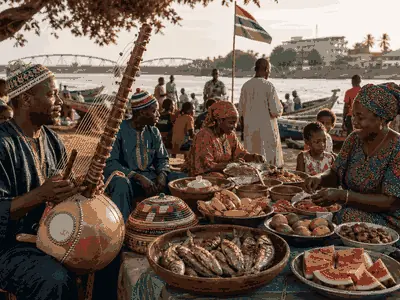
Worth seeing
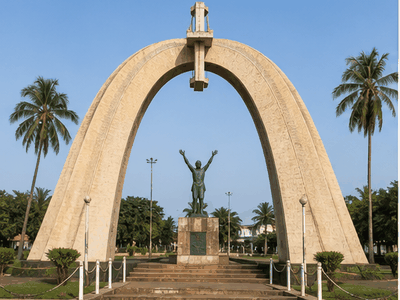
Arch 22
Arch 22 is a clear heritage marker in Banjul, best used as a fixed point when grouping nearby streets, monuments and viewpoints.
View on map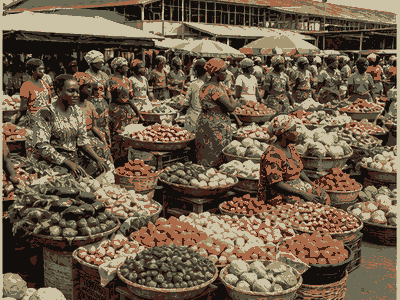
Albert Market
Albert Market gives Banjul a concrete street-life stop, with food, everyday shopping and local movement that helps visitors read the city.
View on map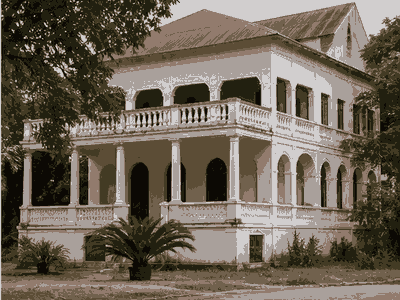
National Museum of The Gambia
National Museum of The Gambia is a key Banjul culture stop, useful for understanding local history, collections and rainy-day planning near the main sightseeing route.
View on map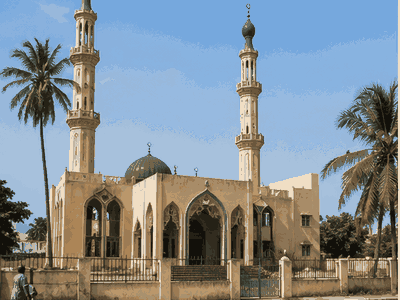
King Fahad Mosque
King Fahad Mosque anchors the historic and ceremonial side of Banjul, making it a practical stop for architecture, local memory and orientation.
View on map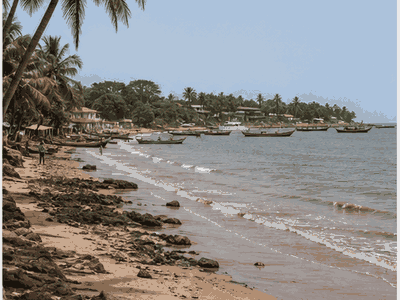
Banjul Beach
Banjul Beach adds outdoor time to a Banjul stay, with open space, views or waterfront breathing room between denser city sights.
View on map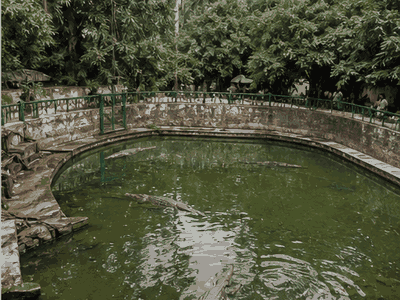
Kachikally Crocodile Pool
Kachikally Crocodile Pool is a named stop in Banjul worth keeping on the route when it fits the day's transport, timing and neighborhood plan.
View on mapStay overview
Most visitors base themselves in the beach resort areas of Kotu or Kololi rather than on Banjul Island itself, treating the historic centre as a day trip. Kanifing and Serekunda offer a livelier, more local alternative closer to everyday Gambian life.
Hotels & areas
Almost all beach and resort hotels sit in Kotu and Kololi rather than on Banjul Island, so choose Kotu for a quieter stay or Kololi for nightlife and dining, and treat central Banjul as a sightseeing day trip.
Banjul Island (city centre)
Banjul Island itself holds government buildings, Albert Market and Arch 22, worth a day visit though most hotels are elsewhere in Greater Banjul.
Best for: day visits, sightseeing, marketsSee hotel optionsKanifing / Serekunda
Kanifing, anchored by Serekunda, is the Gambia's real economic hub, with shops, restaurants and transport links across Greater Banjul.
Best for: local life, shops, transport linksSee hotel optionsKotu
Kotu is a quieter beach resort area with a wide, clean beach and birdwatching along its ponds and cycle path.
Best for: beach resorts, relaxation, birdwatchingSee hotel optionsKololi
Kololi is the Gambia's liveliest beach resort strip, with hotels, restaurants and nightlife along the Senegambia stretch.
Best for: nightlife, beach resorts, diningSee hotel optionsFlights & airports
Banjul International Airport (BJL) arrival plan
- Banjul International Airport (BJL)About 15 km from the centre
Compare airport access against hotel location, arrival time, rental car pickup, late flights and onward driving before choosing the first night base.
Rental cars
Banjul day-trip car use
A rental car isn't essential since taxis and shared 'bush taxis' cover Greater Banjul well, though one helps for exploring further upriver.
Compare rental carsTravel tips
Best base
Stay in Kotu or Kololi for beach resorts, and treat Banjul Island's centre as a half-day sightseeing trip.
Getting around
Agree taxi fares before riding, since meters are uncommon, and expect a 20 to 30 minute transfer between the beach resorts and the airport.
Market visits
Visit Albert Market on Banjul Island for textiles and crafts, and the Senegambia Craft Market near Kololi for souvenirs.
Birdwatching
Set aside a morning for the Kotu Ponds and Kotu Stream, both well-known local spots for birdwatching close to the resorts.
Nearby ideas
Beach
Kololi
Kololi is the Gambia's liveliest beach resort strip, a short drive from Banjul with restaurants, nightlife and the Senegambia craft market.
View on mapNature
Makasutu Culture Forest
Makasutu Culture Forest, a mangrove and forest reserve upriver from Banjul, offers boat trips and cultural performances on a rewarding day trip.
View on mapUpcoming events
City history
In 1651, Banjul was leased by the Duke of Courland and Semigallia (German: Herzog von Kurland und Semgallen) from the King of Kombo, as part of the Curonian colonization.
On 23 April 1816, Tumani Bojang, the King of Kombo, ceded Banjul Island to Alexander Grant, the British commandant, in exchange for an annual fee of 103 iron bars.
Bathurst was officially declared the capital of the Protectorate of the Gambia in 1889, leading to an increase in population.
Islamic schools called dara were founded in Bathurst from its early years, resulting in the foundation of the first Muslim court in 1905, in addition to the increasingly more sophisticated British legal framework.
Young men from rural farming villages would move to Bathurst to work at the Public Works Department (established in 1922) or docks.
The town was an important Allied naval and air hub during World War II, resulting in an increase in population from 14,370 in 1931 to 21,154 in 1944.
After independence, the town's name was changed to Banjul in 1973.
On 22 July 1994, Banjul was the scene of a bloodless military coup d'état in which President Sir Dawda Jawara was overthrown and replaced by Yahya Jammeh.
There are several etymologies for 'Banjul.' One traditional history recounts that Bandjougou, son of Barafin, came to the island after fleeing the attacks of Soumaoro Kante on the Manding region.
Through the 20th century, it became an even greater attraction for Gambians due to the availability of jobs fuelled by British colonial activities as well as social activities such as cinemas.
His name became attached to the island, and over time changed to 'Bandjoulou'.
Grant founded Banjul as a trading post and base, constructing houses and barracks for controlling entrance to the Gambia estuary and suppressing the slave trade.
Mary's Island and named the new town Bathurst, after the 3rd Earl Bathurst, Secretary of State for War and the Colonies at the time.
The town became the centre of British activity in the Gambia Colony and Protectorate.