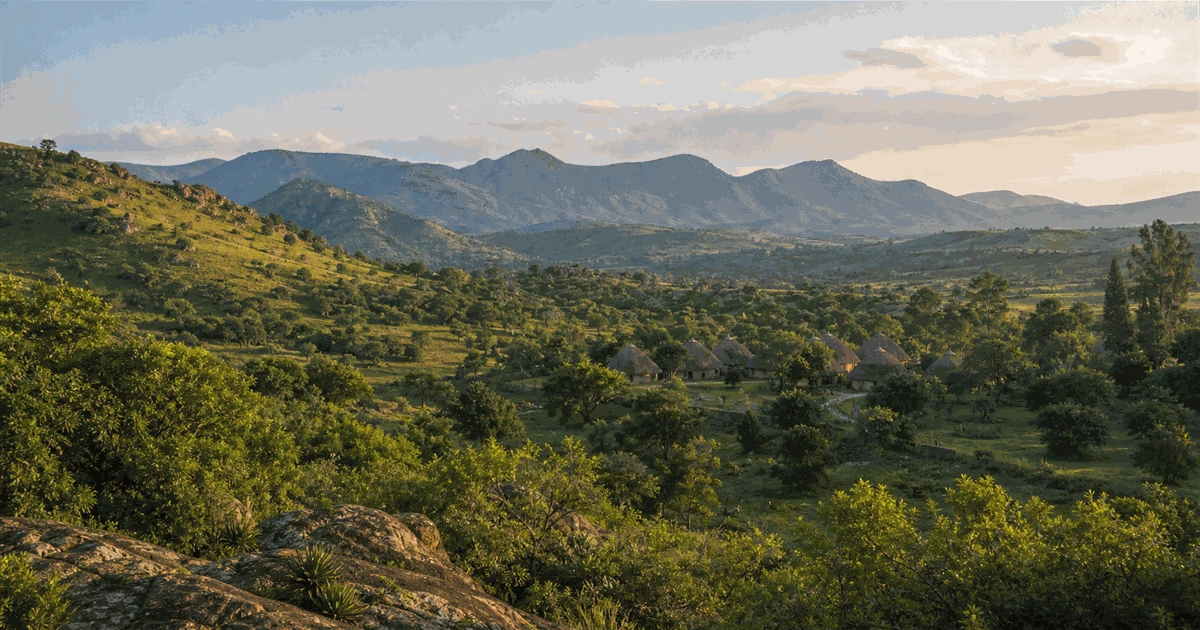

Eswatini
History
The Swazi nation consolidated under Ngwane III north of the Pongola.
Britain took administration after the South African War.
Independence came on 6 September under King Sobhuza II.
Political parties were banned and rule by decree introduced.
The country was renamed from Swaziland to Eswatini.
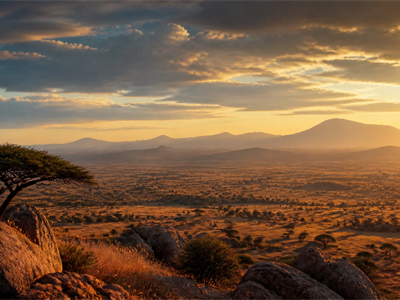 Part ofAfricaMore countries, cities and routes.
Short facts
RegionSouthern Africa
LanguageEnglish, Swazi
Time zoneSAST (UTC+2)
Drives onLeft
Worth seeing
- Mlilwane Wildlife Sanctuary: The country's first protected area, in the Ezulwini valley.
- Umhlanga reed dance: An annual ceremony drawing tens of thousands of participants.
- Malolotja Nature Reserve: Highland grassland with waterfalls and the Ngwenya iron mine nearby.
Find a city in Eswatini
Showing all cities
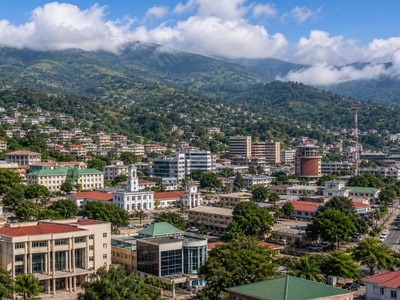 Mbabane
Planning questions
What is Eswatini known for?Mlilwane Wildlife Sanctuary, Umhlanga reed dance, Malolotja Nature Reserve.
What is the capital?Mbabane.
Which language is useful?English, Swazi.
When is the national day?6 September.
How should I browse it here?Start with the facts, jump to linked cities, then check events and topics.
Upcoming events
Use Mbabane as the first planning anchor for Eswatini, then compare the city, food and worth-seeing notes on this page.
Food & drink
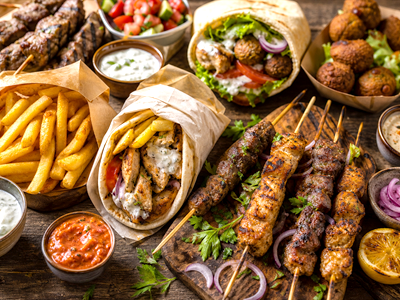 Street food
 Coffee
Known for
Mlilwane Wildlife SanctuaryUmhlanga reed danceMalolotja Nature ReserveMbabaneStreet foodCoffee
 Music & Culture