Forecast
Praia
Local time--:--
Atlantic/Cape_VerdeWeather Forecast
Praia, Cabo VerdeOpen-Meteo forecast.
Praia city overview
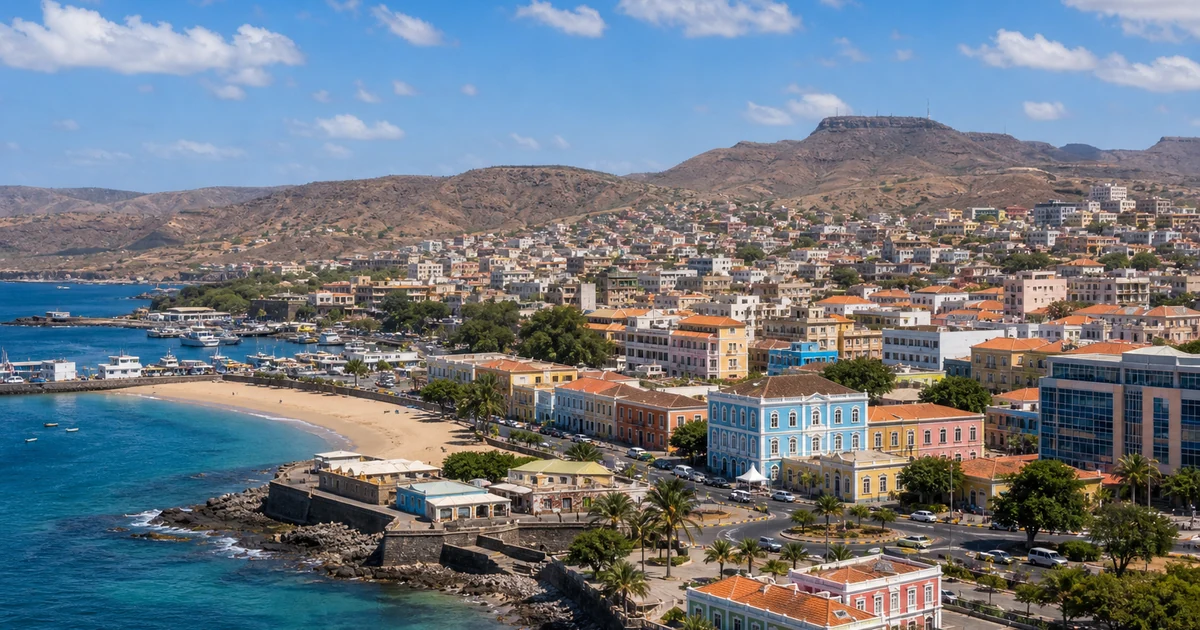
Praia is the capital of Cabo Verde, a Sotavento-island port city set on a plateau above the bay on Santiago Island. First-time visitors should walk the historic Platô district for colonial-era squares, browse the lively Sucupira Market for textiles and produce, and take a short trip to the UNESCO-listed ruins at Cidade Velha. Nelson Mandela International Airport sits just northeast of the centre, keeping transfers short.
Worth seeing
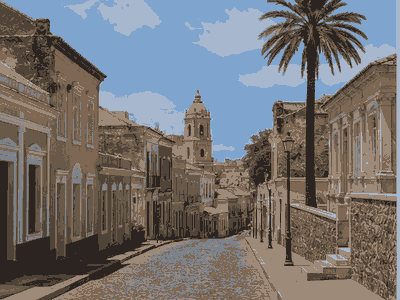
Plateau of Praia
Plateau of Praia is a named stop in Praia worth keeping on the route when it fits the day's transport, timing and neighborhood plan.
View on map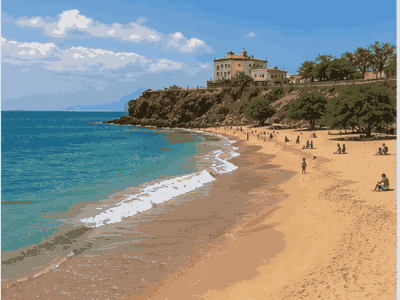
Quebra Canela Beach
Quebra Canela Beach adds outdoor time to a Praia stay, with open space, views or waterfront breathing room between denser city sights.
View on map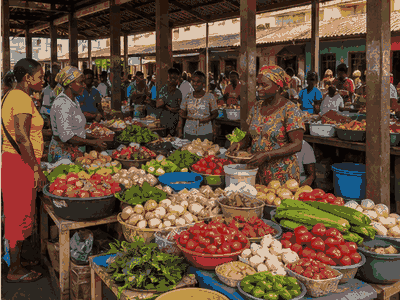
Sucupira Market
Sucupira Market gives Praia a concrete street-life stop, with food, everyday shopping and local movement that helps visitors read the city.
View on map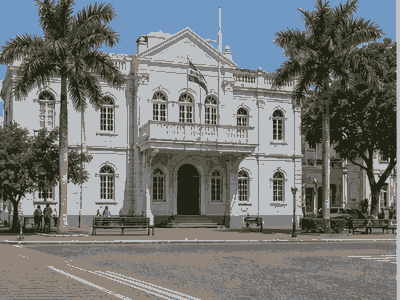
Praia City Hall
Praia City Hall is a named stop in Praia worth keeping on the route when it fits the day's transport, timing and neighborhood plan.
View on map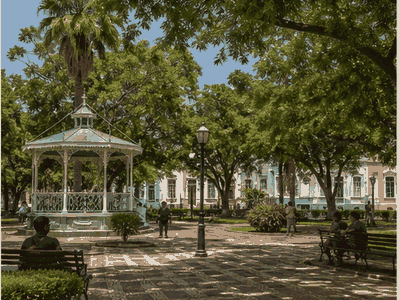
Alexandre Albuquerque Square
Alexandre Albuquerque Square is a clear heritage marker in Praia, best used as a fixed point when grouping nearby streets, monuments and viewpoints.
View on map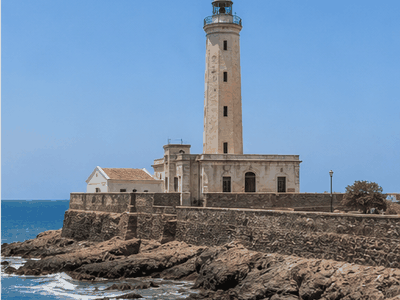
Dona Maria Pia Lighthouse
Dona Maria Pia Lighthouse is a named stop in Praia worth keeping on the route when it fits the day's transport, timing and neighborhood plan.
View on mapStay overview
Base in Platô for walking access to colonial squares, museums and restaurants, or choose Prainha for beach proximity. Palmarejo suits travellers wanting modern shopping and amenities, while Achada Santo António offers better-value everyday stays.
Hotels & areas
Praia hotel choice depends on style: Platô delivers the historic centre and best walking access, Prainha adds beach proximity, Palmarejo offers modern shopping-mall convenience, and Achada Santo António suits budget-conscious, longer stays close to downtown.
Platô
Platô is Praia's historic plateau centre, with colonial squares, government buildings and the best walking access to museums and restaurants.
Best for: first visits, sightseeing, diningSee hotel optionsAchada Santo António
Achada Santo António is a growing residential district close to the centre, offering a mix of guesthouses and everyday local life.
Best for: budget stays, local characterSee hotel optionsPalmarejo
Palmarejo is a newer commercial district with shopping malls and modern apartments, useful for travellers wanting contemporary amenities.
Best for: shopping, modern staysSee hotel optionsPrainha
Prainha is a small beachfront neighbourhood close to the centre, popular for its beach and seaside restaurants.
Best for: beach access, relaxed staysSee hotel optionsFlights & airports
Nelson Mandela International Airport (RAI) arrival plan
- Nelson Mandela International Airport (RAI)About 3 km from the centre
Compare airport access against hotel location, arrival time, rental car pickup, late flights and onward driving before choosing the first night base.
- Maio Airport (MMO)About 41 km from the centre
Compare airport access against hotel location, arrival time, rental car pickup, late flights and onward driving before choosing the first night base.
Rental cars
Praia day-trip car use
A rental car helps for exploring Santiago Island beyond Praia, including Cidade Velha and the island's interior mountain villages.
Compare rental carsTravel tips
Best base
Stay in Platô for walking access to colonial squares and museums, or Prainha if a short beach walk matters more.
Getting around
Shared aluguer minibuses and taxis cover the city; agree taxi fares before riding since meters are uncommon.
Market visits
Visit Sucupira Market in the morning for the best selection of textiles, produce and local crafts before the midday heat sets in.
Day trips
Set aside half a day for Cidade Velha, Cabo Verde's first colonial settlement and a UNESCO World Heritage site nearby.
Nearby ideas
Heritage
Cidade Velha
Cidade Velha is Cabo Verde's original colonial capital, a UNESCO World Heritage site with historic ruins a short drive from Praia.
View on mapBeach
Tarrafal
Tarrafal, on the northern tip of Santiago Island, has one of Cabo Verde's best beaches, worth a longer day trip from Praia.
View on mapCity history
The island of Santiago was discovered by António da Noli in 1460.
Between the end of the 16th century and the end of the 18th century, both Ribeira Grande and Praia was attacked by privateers several times, including Sir Francis Drake in 1585 and Jacques Cassard.
The village Praia de Santa Maria was first mentioned around 1615 and grew near the natural harbour.
It gradually superseded Cidade Velha to become the most important settlement of Cape Verde, and became the capital of Cape Verde in 1770.
The naval battle of Porto Praya took place at Praia Harbour on 16 April 1781, as Portugal was neutral, it involved Great Britain and France and ended in a tactical draw and French strategic.
Praia was the first stop of Charles Darwin's voyage with HMS Beagle in 1832.
Praia officially became a city (cidade) in 1858, which secured its status as the capital of Cape Verde, concentrating political, religious and economic roles.
There was no open independence war like in Guinea-Bissau; after the 1974 Carnation Revolution in Portugal and the resulting end of the Portuguese Colonial War, Cape Verde declared independence in July 1975.
On 28 June 1985, Praia became member of UCCLA, the Union of Luso – Afro-Americo-Asiatic Capital Cities, an international organization.
In the course of the 19th century, the Plateau was completely redeveloped with streets according to a grid plan, lined with grand colonial buildings and mansions.
As in other parts of the archipelago, resistance against Portuguese rule rose in the 1950s.
The first settlement on the island was Ribeira Grande (Cidade Velha).
The ports of Santiago were important ports of call for ships sailing between Portugal and the Portuguese colonies in Africa and South America.
After independence, Praia underwent a demographic boom, receiving migrating movements from all the islands.