Coffee overview
Espresso
Espresso is concentrated coffee brewed under pressure. It matters because many cafe drinks, from cappuccino to flat white, start here.
Quick facts
BaseRoasted coffee beans and water
AlcoholNo
ServeHot or iced; espresso, filter, cezve or press
Taste mapBright citrus and florals through chocolate, nuts and roast bitterness
Where it matters
These places are strongly associated with espresso through origin, production, serving culture or everyday ritual.
 Italy
Italy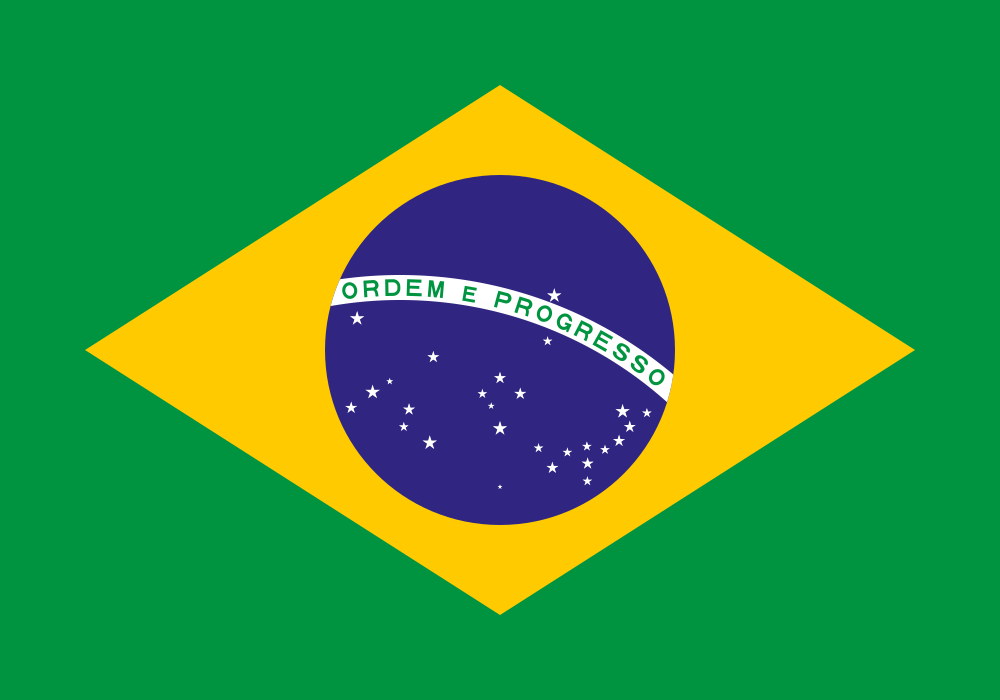 Brazil
 Colombia
How it is made
Coffee cherries are harvested, processed, dried, roasted and brewed. Origin, variety, roast and brew method all change the cup.
 More DrinksDrinks category
Return to the Drinks index for related topic pages.
What to compare
DoseA compact puck of finely ground coffee.
PressureCreates concentration, crema and syrupy body.
TimeToo fast tastes sour; too slow tastes bitter.
BlendOften built for sweetness, crema and milk compatibility.
How to read the drink
| Aroma | Smell first: fruit, grain, roast, herbs, spice, oak or fermentation tell you what to expect. |
|---|---|
| Texture | Notice body, bubbles, tannin, creaminess or alcohol warmth. |
| Finish | A short finish feels simple; a long finish keeps changing after you swallow. |
| Food match | Pair intensity with intensity: delicate drinks with lighter food, bold drinks with richer or saltier dishes. |