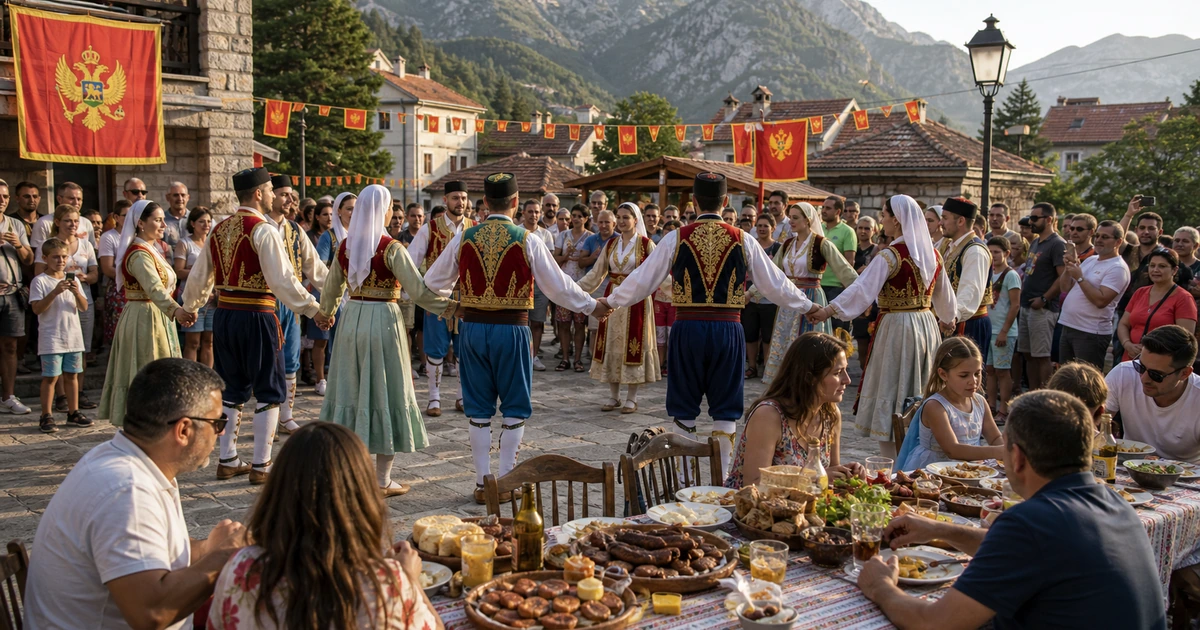
Montenegro Statehood Day 2027

More National days
National days topic
Return to the National days index for related events.
About the event
On 13 July 1878, the Congress of Berlin formally recognised Montenegro as an independent state — one of the first international recognitions of a Balkan nation after centuries of Ottoman dominance.
The southernmost fjord in Europe — medieval walled cities at the foot of dramatic limestone mountains.
Why this day
Montenegro celebrates Statehood Day on 13 July — a date that marks two events. On 13 July 1878, the Congress of Berlin formally recognised Montenegro as an independent state — one of the first international recognitions of a Balkan nation after centuries of Ottoman dominance. And on 13 July 1941, the first armed uprising against Nazi occupation in occupied Europe began in Montenegro.
Montenegro was the only Balkan state to retain de facto independence from the Ottomans throughout their period of dominance — though it was never formally independent until 1878. The mountain fortress of the Crna Gora (Black Mountain, which gives the country its name) proved effectively unconquerable. This mountain spirit of resistance is a defining element of Montenegrin identity.
After being part of Yugoslavia and then the Serbia-Montenegro federation, Montenegro held a referendum on independence in May 2006, with 55.5% voting to separate — just over the required threshold. Independence was declared on 3 June 2006. Today, Statehood Day combines both historical dates into a celebration of national continuity.
Timeline
- 1878Congress of Berlin recognises Montenegro as independent state
- 1918Montenegro unified with Serbia and later Yugoslavia
- 2006Montenegro declares independence from Serbia-Montenegro after referendum
Stay for the event
Check-in 12 Jul, check-out 14 Jul 2027 — 2 nights around 13 July 2027. Change the dates to stay longer.
AREA
Find stays in PodgoricaGetting there
- Celebratednationwide
- CapitalPodgorica
- Time zoneCET (UTC+1)
Host country
- Currency: euro
- Language: Montenegrin
- Driving: on the right
- Capital: Podgorica
- Phone: +382
- Emergency: 112
- Electricity: 230 V, 50 Hz, plugs C/F
What to eat
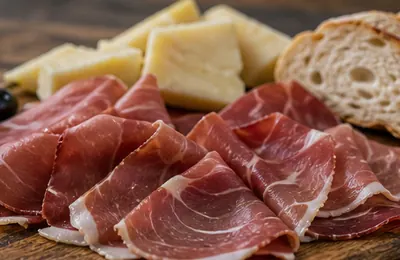 Njeguški pršut
Air-dried smoked ham from the village of Njeguši — one of the finest cured meats in the Balkans.
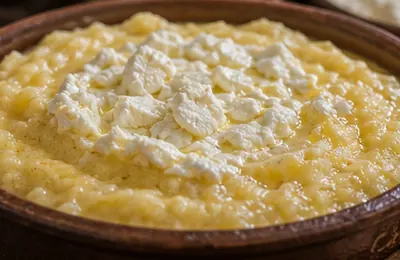 Kačamak
Polenta with cheese and fat — a thick, warming mountain dish from the Montenegrin highlands.
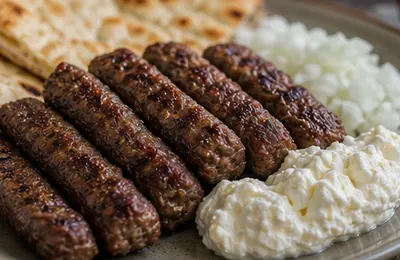 Ćevapi
Grilled minced meat rolls in flatbread with raw onion — shared across the western Balkans.
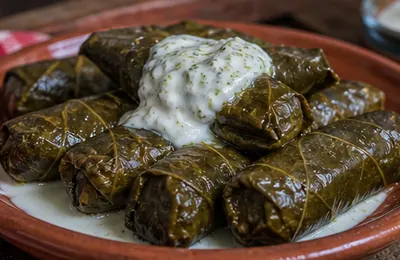 Japraci
Vine or sauerkraut leaves stuffed with minced pork and rice — the Montenegrin version of sarma.
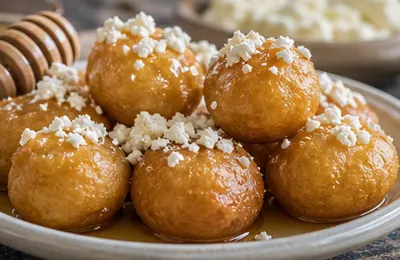 Priganice
Deep-fried dough — eaten plain with honey or cheese as a breakfast or street snack.
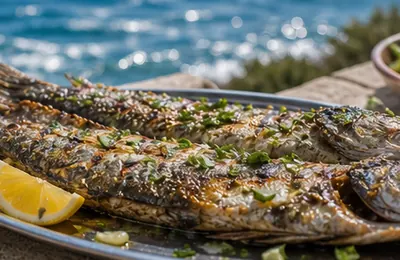 Riba s gradele
Fresh Adriatic fish — sea bass, bream or mackerel — grilled simply over charcoal.
What to drink
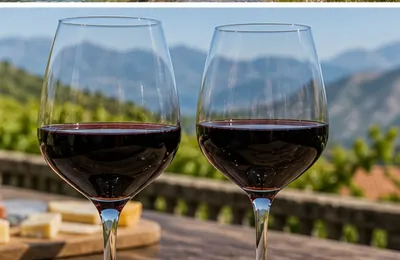 Vranac wine
Montenegro's signature full-bodied red wine from the Zeta plain — intense and deeply coloured.
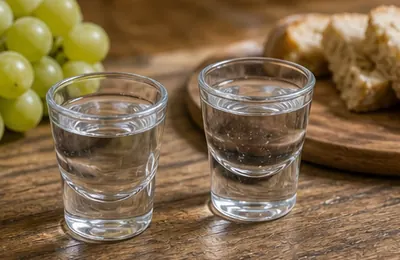 Rakija
Grape or plum brandy — essential at every celebration and family gathering.
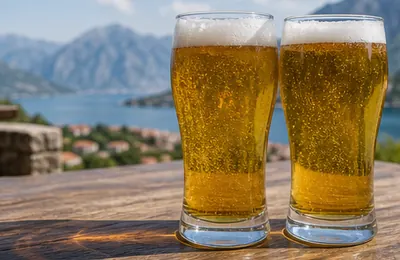 Nikšićko pivo
Montenegro's national beer — brewed in Nikšić since 1896 and widely consumed across the country.
Culture & traditions
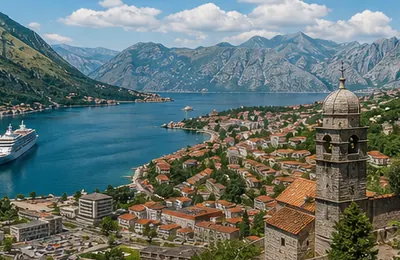 Bay of Kotor
The southernmost fjord in Europe — medieval walled cities at the foot of dramatic limestone mountains.
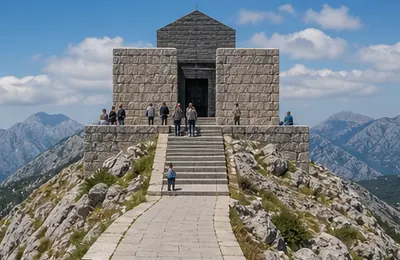 Lovćen Mausoleum
The mountain tomb of prince-bishop Petar Petrović Njegoš — a pilgrimage for Montenegrins.
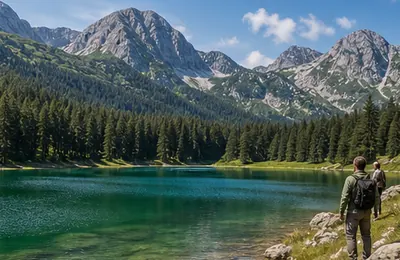 Durmitor National Park
High alpine plateau with glacial lakes — UNESCO World Heritage site and Montenegro's finest wilderness.
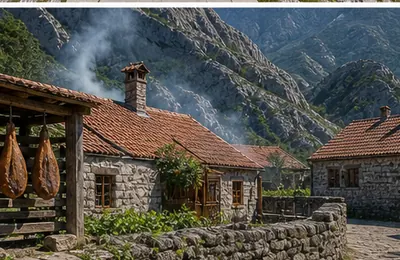 Njeguši village
The mountain village where Montenegro's two most famous products — pršut ham and cheese — are made.
Coming years
Montenegro Statehood Day 2028
- Thursday 13 July 2028Next event date
Montenegro Statehood Day 2029
- Friday 13 July 2029Event date
Montenegro Statehood Day 2030
- Saturday 13 July 2030Event date