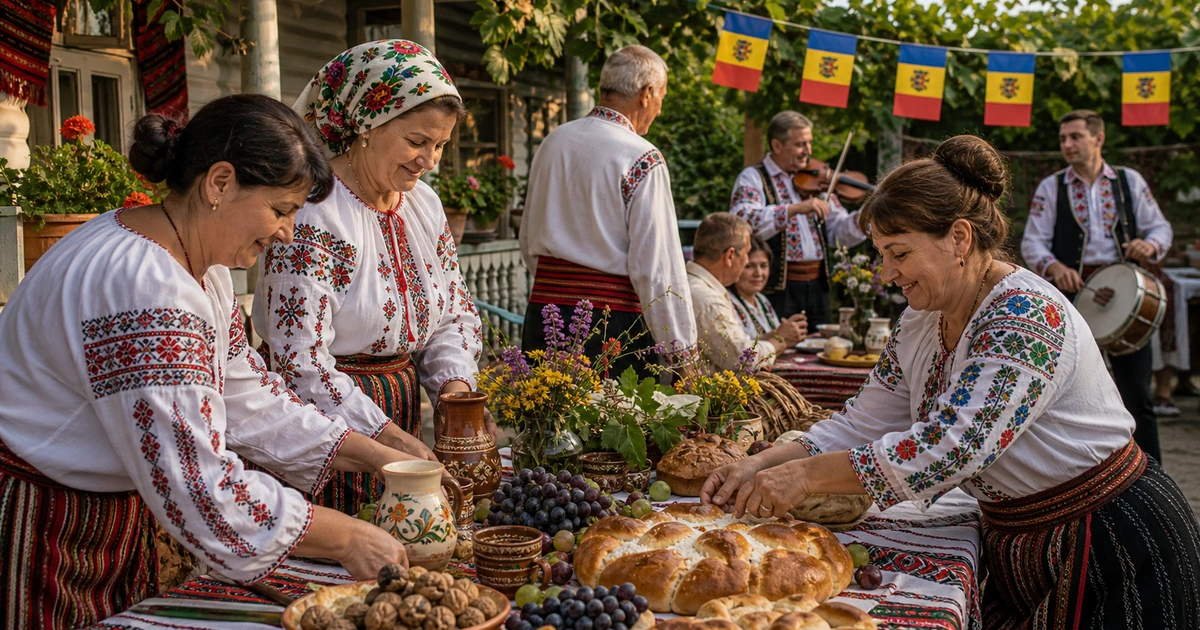
Moldova Independence Day 2027


More National days
National days topic
Return to the National days index for related events.
About the event
The Transnistria region — predominantly Russian-speaking and on the east bank of the Dniester River — declared its own independence from Moldova in 1990 and remains effectively outside Moldovan government control, frozen in a post-Soviet limbo supported by Russian troops.
The world's largest wine collection — over 1.5 million bottles stored in 200km of underground galleries.
Why this day
On 27 August 1991, the parliament of the Moldavian Soviet Socialist Republic declared independence from the Soviet Union following the failed coup attempt against Mikhail Gorbachev. Moldova took its name from the medieval Principality of Moldavia, which had existed as a distinct state since the 14th century before being absorbed by the Ottoman Empire and later Russia.
Moldova's post-independence history has been complicated. The Transnistria region — predominantly Russian-speaking and on the east bank of the Dniester River — declared its own independence from Moldova in 1990 and remains effectively outside Moldovan government control, frozen in a post-Soviet limbo supported by Russian troops.
Independence Day is marked with celebrations in Chișinău — the capital — including a parade, concerts, wine festivals and the National Wine Day, which is held the Sunday after Independence Day. Moldova's ancient wine tradition is central to national pride and is showcased alongside independence celebrations.
Timeline
- 1359Principality of Moldavia founded by Dragoș
- 1812Eastern Moldova (Bessarabia) annexed by Russia
- 1991Moldova declares independence from the Soviet Union
Key figures
Stay for the event
Check-in 26 Aug, check-out 28 Aug 2026 — 2 nights around 27 August 2026. Change the dates to stay longer.
AREA
Find stays in ChișinăuGetting there
- Celebratednationwide
- CapitalChisinau
- Time zoneEET (UTC+2)
Host country
- Currency: Moldovan leu
- Language: Romanian
- Driving: on the right
- Capital: Chisinau
- Phone: +373
- Emergency: 112
- Electricity: 230 V, 50 Hz, plugs C/F
What to eat
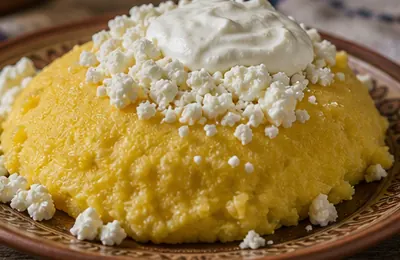 Mămăligă
Thick cornmeal polenta — the most ancient Moldovan staple, eaten with sour cream, feta and fried eggs.
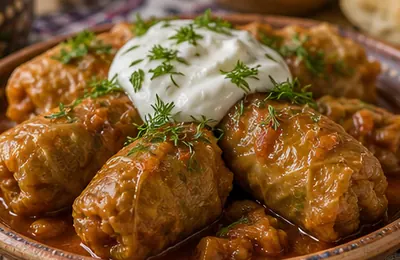 Sarmale
Cabbage or vine leaf rolls stuffed with pork and rice — Moldova's most important festive dish.
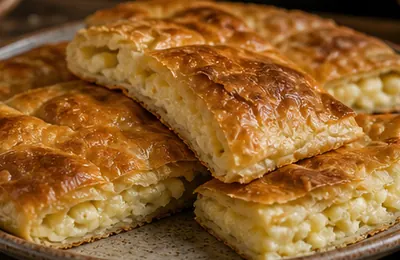 Plăcintă
Thin pastry filled with sour cherries, cottage cheese or potato — sold at bakeries across the country.
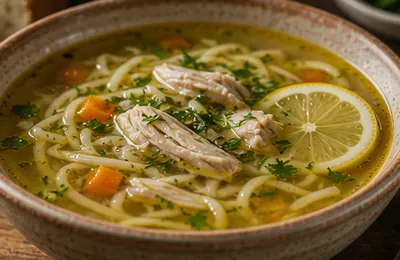 Zeamă
ZeamăLight chicken noodle soup with sour cream and tarragon — the Moldovan comfort food.
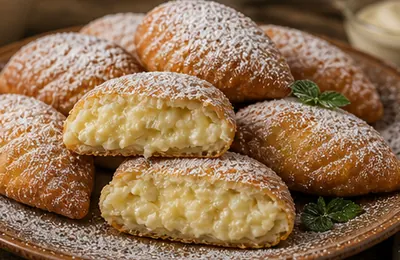 Brânzuici
Small fried dough filled with sheep's cheese — a traditional village snack.
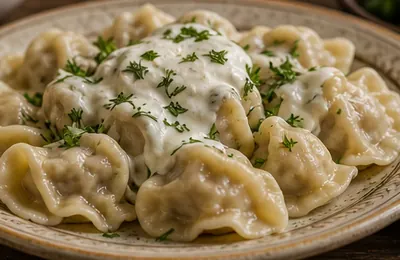 Colțunași
Moldovan dumplings filled with sour cherries, potato or cottage cheese — boiled and served with butter.
What to drink
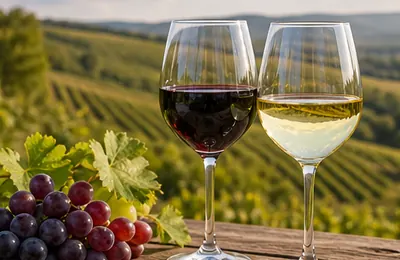 Moldovan wine
Moldova has 112,000 hectares of vineyard — one of the highest ratios in the world relative to population.
 Divin
DivinMoldovan cognac-style brandy — produced in the Cricova and Mileștii Mici caves, some of the world's largest wine cellars.
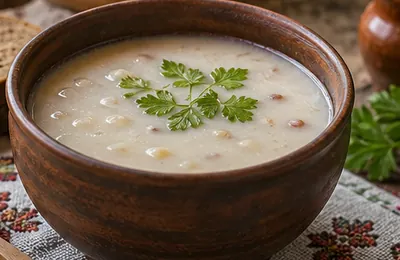 Borș
BorșFermented bran liquid used to sour soups — a uniquely Moldovan-Romanian ingredient and drink.
Culture & traditions
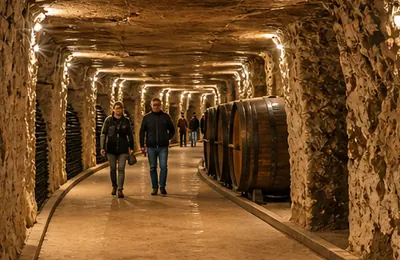 Mileștii Mici wine caves
The world's largest wine collection — over 1.5 million bottles stored in 200km of underground galleries.
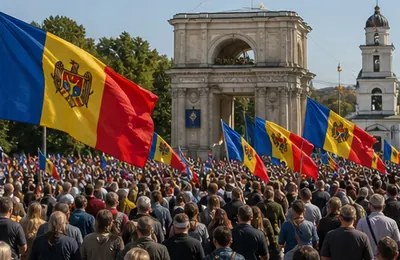 Stefan cel Mare Square
Chișinău's central park — where independence ceremonies, concerts and National Wine Day are held.
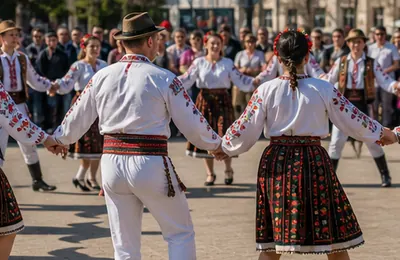 Hora
HoraTraditional Romanian-Moldovan circle dance — performed at weddings, celebrations and national events.
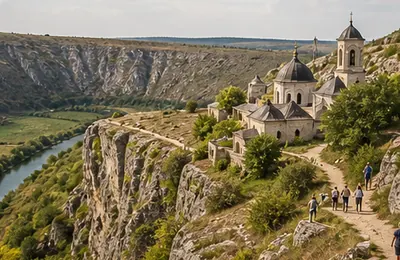 Orheiul Vechi
Dramatic clifftop monastery complex above the Răut River — Moldova's most atmospheric historical site.
Coming years
Moldova Independence Day 2028
- Sunday 27 August 2028Next event date
Moldova Independence Day 2029
- Monday 27 August 2029Event date
Moldova Independence Day 2030
- Tuesday 27 August 2030Event date