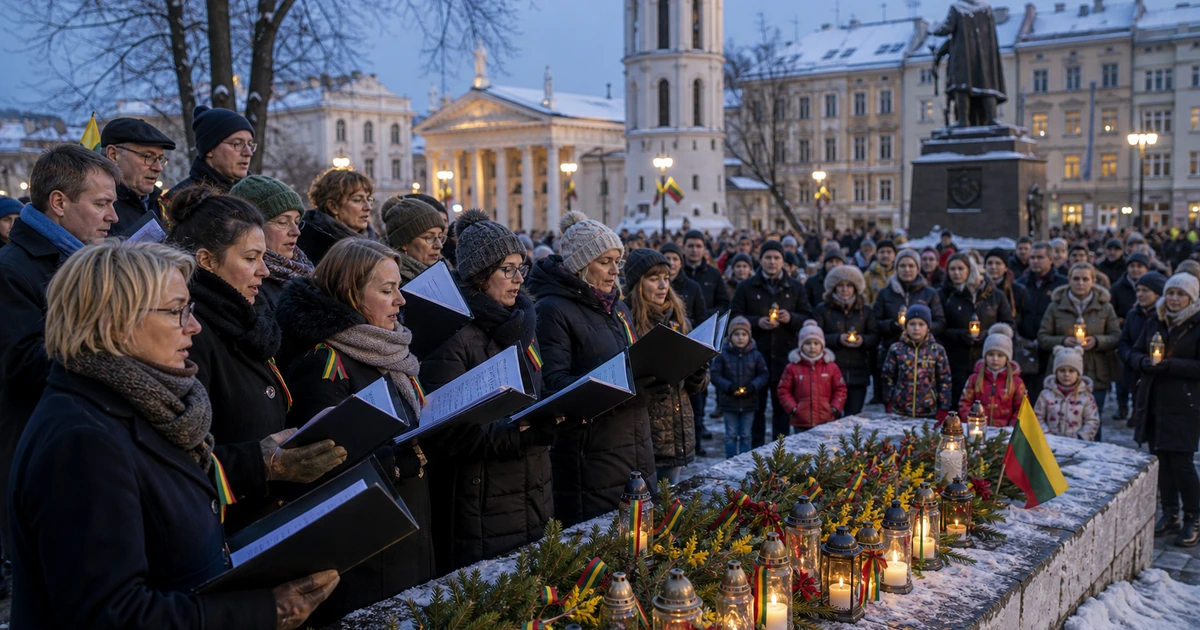
Lithuania Independence Day 2027


More National days
National days topic
Return to the National days index for related events.
About the event
Why Lithuania celebrates 16 February On 16 February 1918, the Council of Lithuania signed the Act of Independence — Lietuvos Nepriklausomybės aktas — in Vilnius, declaring the restoration of an independent Lithuanian state.
A pilgrimage site near Šiauliai — hundreds of thousands of crosses placed as acts of faith and national resistance.
Why this day
On 16 February 1918, the Council of Lithuania signed the Act of Independence — Lietuvos Nepriklausomybės aktas — in Vilnius, declaring the restoration of an independent Lithuanian state. The declaration asserted that Lithuania was re-establishing its sovereign existence, emphasising the continuity with the medieval Kingdom of Lithuania.
Lithuania had one of the most powerful states in medieval Europe — at its height in the 15th century, the Grand Duchy of Lithuania stretched from the Baltic to the Black Sea. After centuries of Polish-Lithuanian union, partitioning by Russia and WWI German occupation, the 1918 declaration restored an identity that had been suppressed but never extinguished.
Lithuania was also the first Soviet republic to declare restoration of independence in March 1990 — sparking a domino effect across the USSR. The "singing revolution" — mass peaceful gatherings including the Baltic Way, a human chain across all three Baltic states — showed that the independence movement had overwhelming public support.
Timeline
- 1253Mindaugas crowned — first and only King of Lithuania
- 1918Act of Independence of Lithuania signed in Vilnius on 16 February
- 1990Lithuania becomes first Soviet republic to declare restoration of independence
Stay for the event
Check-in 15 Feb, check-out 17 Feb 2027 — 2 nights around 16 February 2027. Change the dates to stay longer.
AREA
Find stays in VilniusGetting there
- Celebratednationwide
- CapitalVilnius
- Time zoneEET (UTC+2)
Host country
- Currency: euro
- Language: Lithuanian
- Driving: on the right
- Capital: Vilnius
- Phone: +370
- Emergency: 112
- Electricity: 230 V, 50 Hz, plugs C/F
What to eat
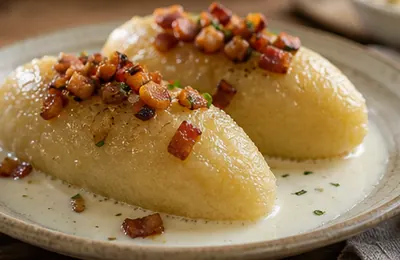 Cepelinai
Giant potato dumplings — shaped like zeppelins, filled with minced pork and served with sour cream and bacon sauce.
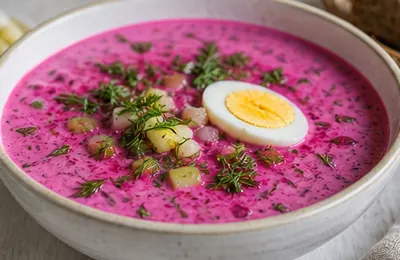 Šaltibarščiai
Cold pink beet soup with cucumber, dill and hard-boiled egg — the Lithuanian summer classic.
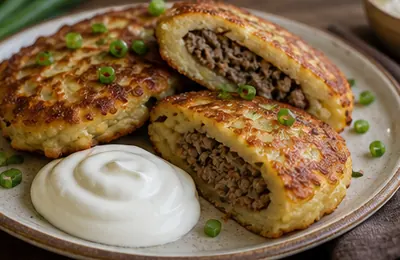 Žemaičių blynai
Potato pancakes stuffed with meat — a heavier variation of the draniki, from the Samogitia region.
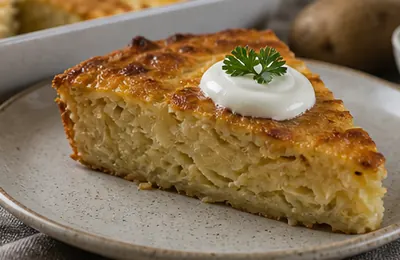 Kugelis
Baked potato pudding with bacon and onion — dense, golden and comforting.
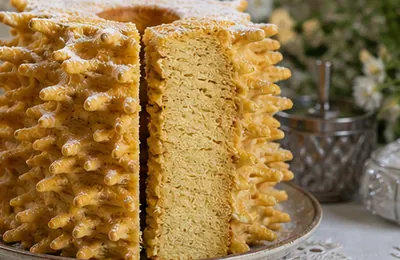 Šakotis
Spit cake made by ladling batter over a rotating skewer — the festive cake at Lithuanian weddings.
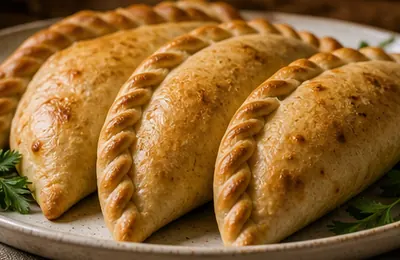 Kibinai
Karaite pastry from Trakai — semicircular pastries filled with lamb or beef.
What to drink
 Midus
MidusLithuanian mead — fermented honey wine with herbs, one of the world's oldest alcoholic drinks.
 Krupnikas
Lithuanian honey liqueur spiced with herbs, cinnamon and cloves — warm in winter.
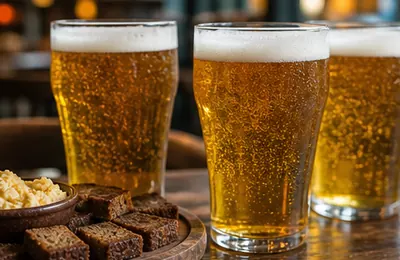 Svyturys beer
Lithuania's most celebrated lager brand, brewed in Klaipėda since 1784.
Culture & traditions
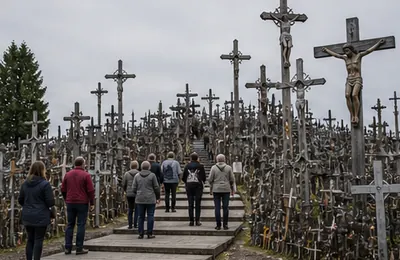 Hill of Crosses
A pilgrimage site near Šiauliai — hundreds of thousands of crosses placed as acts of faith and national resistance.
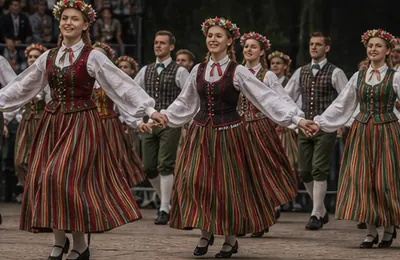 Song and Dance Celebration
Lithuania's mass choral festival — held every four years with thousands of singers and dancers.
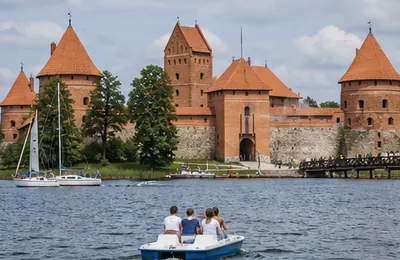 Trakai Castle
Island castle in the middle of a lake — the seat of medieval Lithuanian grand dukes.
 Basketball
Lithuania is the most passionate basketball nation in Europe — qualifying for the Olympics multiple times.
Coming years
Lithuania Independence Day 2028
- Wednesday 16 February 2028Next event date
Lithuania Independence Day 2029
- Friday 16 February 2029Event date
Lithuania Independence Day 2030
- Saturday 16 February 2030Event date