
Festa della Repubblica
BOOK HOTELS & FLIGHTS
Book stays for Festa della Repubblica
AREA
OneSliders may earn a commission if you book through Booking.com.
- 1946Italians vote in referendum to become a republic and abolish the monarchy
- 1948Italian constitution comes into force
- 1961First Festa della Repubblica parade held on Via dei Fori Imperiali in Rome
Why Italy celebrates 2 June
On 2 June 1946, Italians went to the polls in a referendum on whether to remain a monarchy or become a republic. The result — 54% in favour of a republic — ended over 2000 years of monarchical rule in Italy and established the modern Italian state. The same vote elected a Constituent Assembly to write a new constitution.
The vote took place in the context of the post-World War II reconstruction. The Italian monarchy had been associated with fascism — King Victor Emmanuel III had appointed Mussolini as prime minister in 1922 and signed the racial laws of 1938. The referendum was also the first election in which Italian women could vote.
Festa della Repubblica is marked with an official ceremony at the Altare della Patria in Rome, attended by the president, and a large military parade down the Via dei Fori Imperiali — past the Roman Forum and the Colosseum. Military aircraft trail the national colours of red, white and green across the Roman sky.
The day is also an occasion for music, exhibitions and free entry to many Italian museums and archaeological sites. Romans and tourists gather along the parade route and in the gardens of the presidential Quirinal Palace, which opens to the public.
- 20262 June 2026 · Tuesday
- 20272 June 2027 · Wednesday
- 20282 June 2028 · Friday

The Italian tricolour — green, white and red vertical bands — was adopted during the Napoleonic period, inspired by the French tricolour. Green is associated with the Italian landscape and the hope for the future, white with the snow of the Alps and the pursuit of justice, and red with the passion and blood of those who fought for Italian unity.
Italian food is one of the world's most beloved cuisines — regional, seasonal and built on the finest ingredients. Rome and central Italy have their own distinct culinary identity, quite different from the north or south.
What to eat
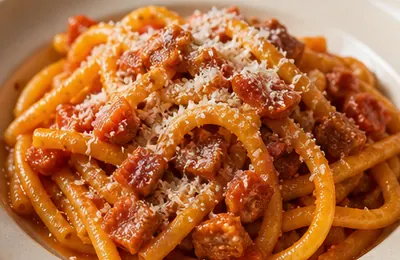 Pasta all'amatricianaRigatoni or spaghetti in a sauce of guanciale, tomato and Pecorino Romano — a Roman classic from Amatrice.
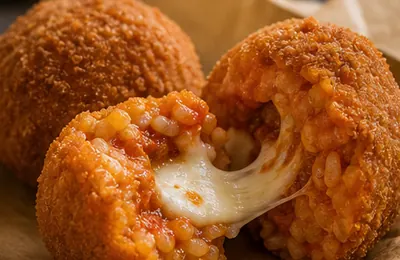 SupplìRoman fried rice balls filled with mozzarella and tomato — sold at street food stalls throughout Rome.
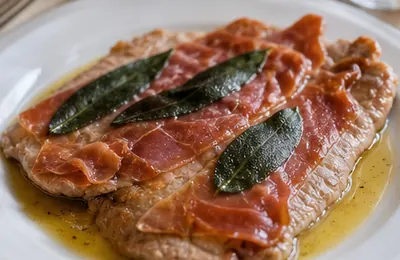 Saltimbocca alla RomanaVeal escalope with prosciutto and sage, pan-fried in white wine — one of Rome's signature dishes.
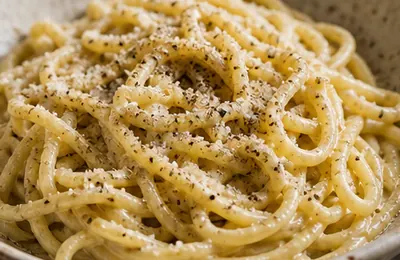 Cacio e pepeSpaghetti or tonnarelli with aged Pecorino Romano and black pepper — simple, perfect and deeply Roman.
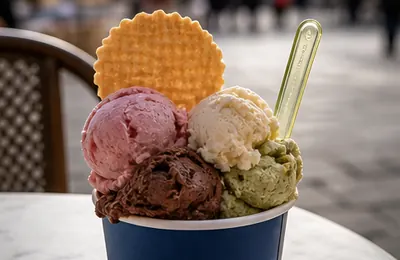 GelatoItalian ice cream — sold in hundreds of flavours at gelaterie across every Italian city.
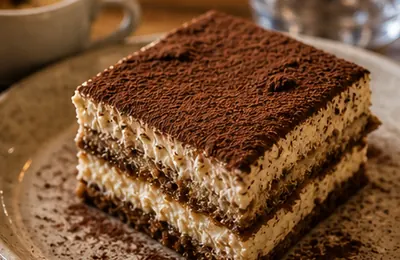 TiramisuMascarpone, espresso, savoiardi biscuits and cocoa — Italy's most exported dessert.
What to drink
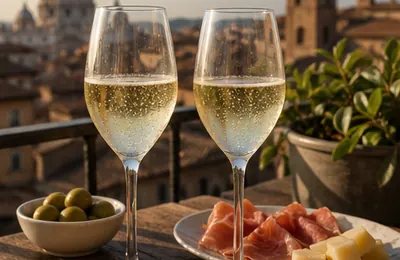 ProseccoSparkling wine from the Veneto — drunk at aperitivo hour across Italy as a Spritz or on its own.
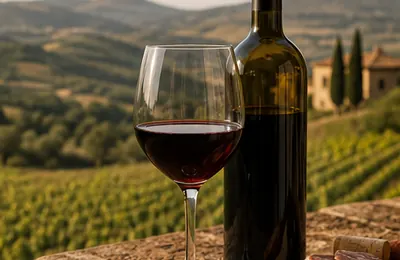 ChiantiTuscany's signature red wine — Sangiovese-based, earthy and food-friendly.
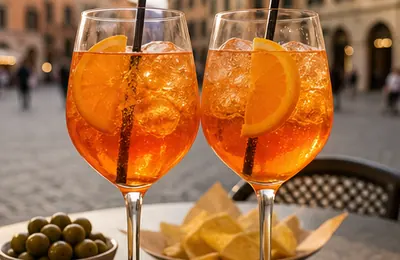 Aperol SpritzAperol, Prosecco and soda water over ice with an orange slice — Italy's most popular aperitif drink.
Italy culture
Italy has shaped world civilisation through the Roman Empire, the Renaissance, the Catholic Church, opera, fashion and design. The Festa della Repubblica celebrates the republic that emerged from the ruins of fascism — democratic, creative and intensely local.
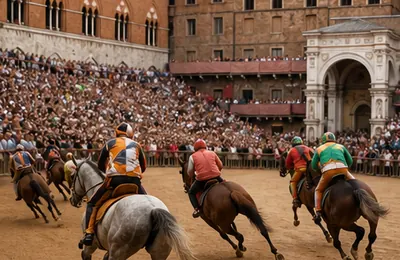 Palio di SienaMedieval bareback horse race in the central square of Siena — held twice a year between neighbourhood factions.
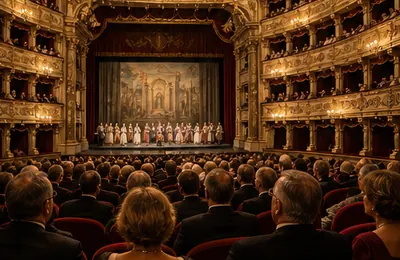 Opera at La ScalaMilan's La Scala is the world's most famous opera house — opening night on 7 December is a national event.
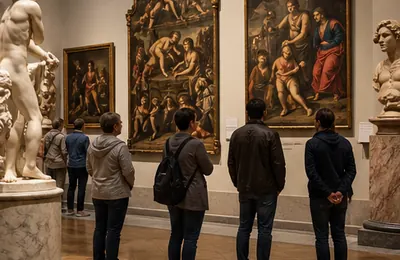 Renaissance artFlorence, Venice and Rome hold the greatest concentration of Renaissance masterpieces in the world.
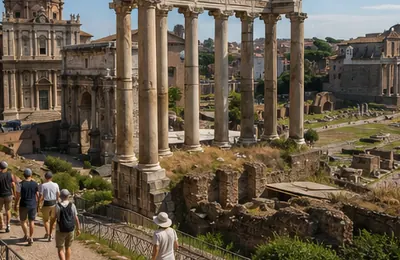 Roman heritageThe Colosseum, the Forum and the Pantheon draw millions of visitors and remain central to Italian identity.