
Chair of Saint Peter
BOOK HOTELS & FLIGHTS
Book stays for Chair of Saint Peter
AREA
OneSliders may earn a commission if you book through Booking.com.
- 64Apostle Peter martyred in Rome under Emperor Nero
- 1929Lateran Treaty establishes Vatican City as an independent state
- AnnualThe Chair of Saint Peter feast celebrated in the Catholic calendar
Why Vatican City celebrates 22 February
The Feast of the Chair of Saint Peter on 22 February is one of Vatican City's most significant celebrations. It commemorates the authority of the Pope as the successor of Saint Peter — the apostle whom Jesus appointed as the foundation of the Church. The "chair" (cathedra) symbolises the teaching authority of the Bishop of Rome.
The celebration has ancient roots, predating Christianity itself — the Romans held ancestor feasts in late February, and the early Church adopted the date to honour Saint Peter's authority. By the 4th century the feast was well established in Rome, and it has been observed continuously since. The relic of Saint Peter's chair is kept in the apse of St Peter's Basilica in an elaborate golden monument by Bernini.
As Vatican City is the world's smallest sovereign state — 44 hectares within Rome — its national celebrations are inherently religious and ceremonial. The Pope presides over a solemn Mass in St Peter's Basilica, attended by cardinals, bishops and thousands of pilgrims from around the world.
- 202622 February 2026 · Sunday
- 202722 February 2027 · Monday
- 202822 February 2028 · Tuesday

The Vatican flag has two equal vertical bands — yellow on the hoist side and white on the fly. The white band bears the papal tiara and two crossed keys. The yellow and white colours represent the golden key and the silver key of Saint Peter, symbolising the authority of the papacy over heaven and earth.
Vatican City has no distinct cuisine of its own — its small resident population and visitors eat Roman food. The surrounding Lazio region offers one of Italy's most flavourful and ancient culinary traditions.
What to eat
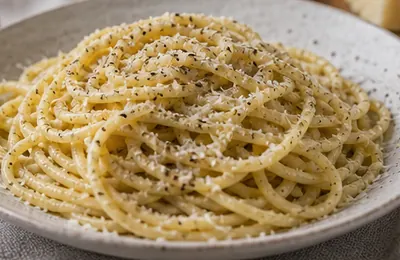 Cacio e pepeRome's most famous pasta — spaghetti with aged Pecorino Romano cheese and black pepper.
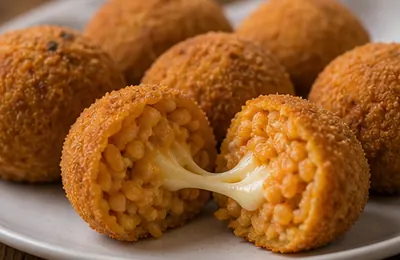 SupplìRoman fried rice croquettes filled with mozzarella and tomato sauce — a street food staple.
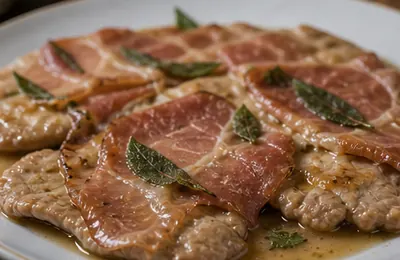 SaltimboccaVeal escalope with prosciutto and sage, pan-fried in white wine and butter.
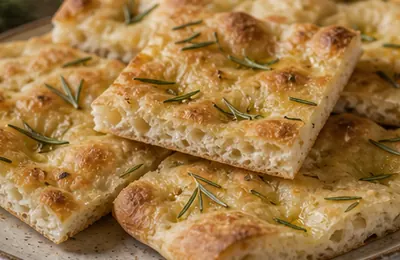 Pizza biancaRoman flatbread — olive oil, salt and rosemary, eaten plain or filled with mortadella.
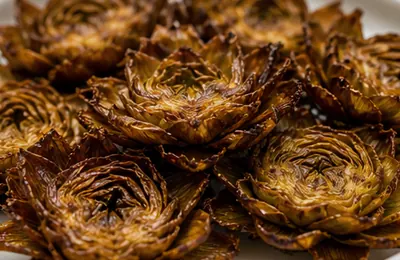 Artichokes alla GiudiaDeep-fried whole artichokes opened like a flower — a Roman Jewish quarter classic.
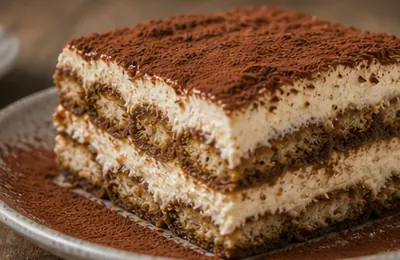 TiramisuRome's adopted dessert — mascarpone cream with espresso-soaked savoiardi biscuits.
What to drink
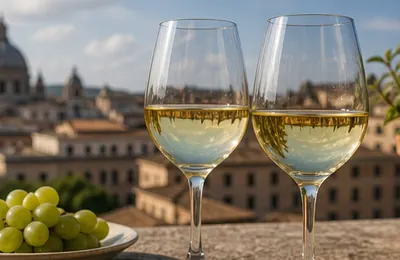 Frascati wineWhite wine from the Castelli Romani hills just outside Rome — the traditional wine of the papal table.
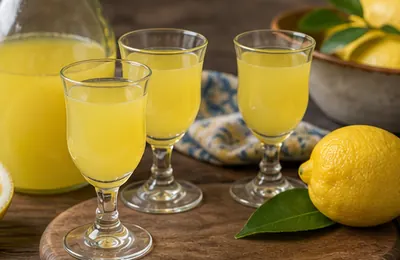 LimoncelloItalian lemon liqueur served ice-cold at the end of a meal — popular across central Italy.
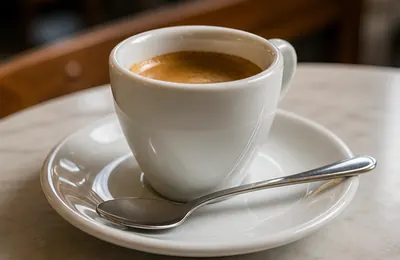 EspressoRoman-style espresso — short, intense and taken standing at a bar.
Vatican culture
Vatican City is the spiritual and administrative centre of the Roman Catholic Church. Its culture is inseparable from art, architecture and 2000 years of religious history.
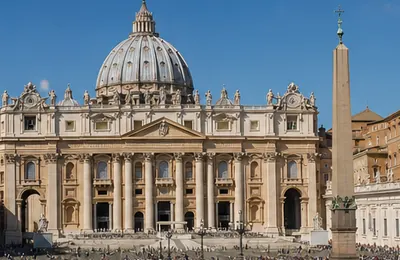 St Peter's BasilicaThe world's largest church — a pilgrimage destination for millions, designed by Michelangelo and Bernini.
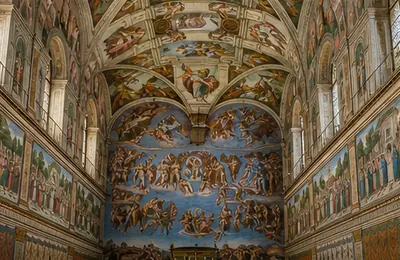 Sistine ChapelMichelangelo's ceiling frescoes and The Last Judgment — among the greatest artworks in human history.
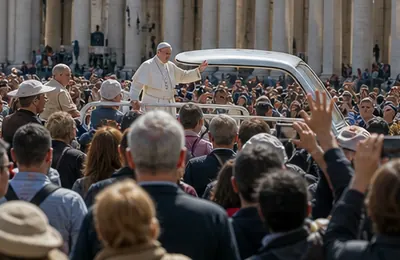 Papal audienceEvery Wednesday the Pope addresses pilgrims in St Peter's Square — a unique experience for visitors.
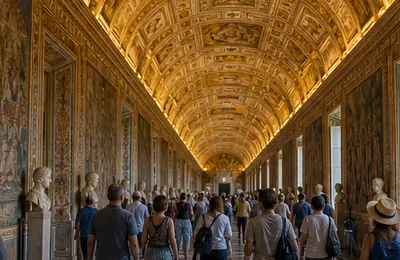 Vatican MuseumsOne of the world's great museum collections — 54 galleries of Greco-Roman sculpture, Renaissance painting and Egyptian antiquities.