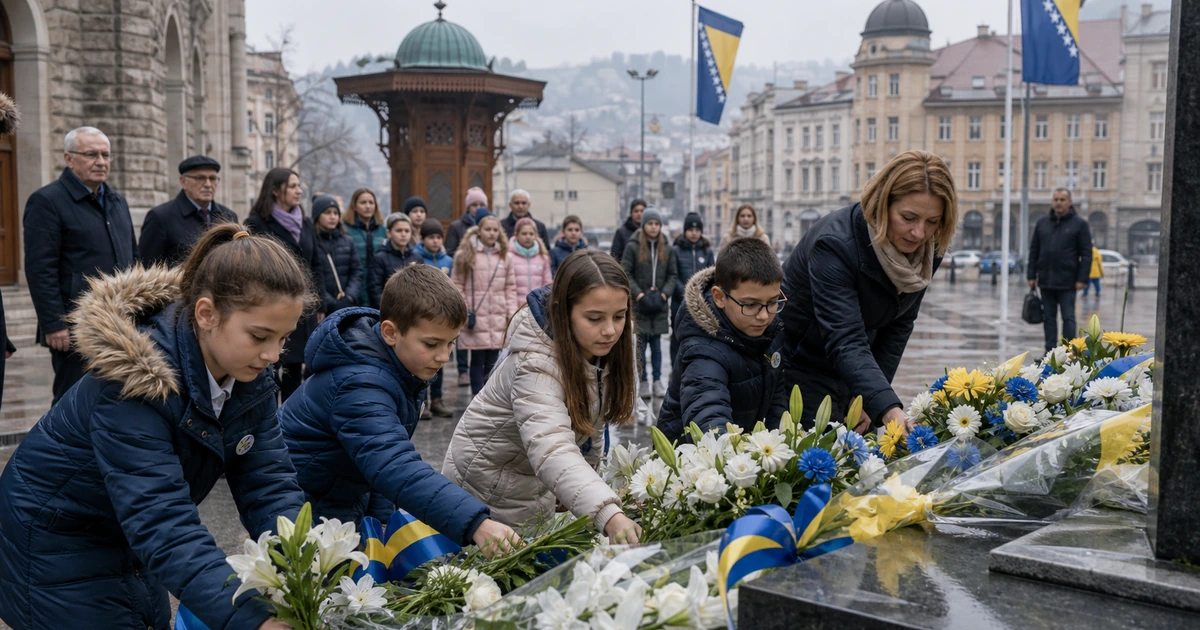
Bosnia and Herzegovina Statehood Day 2026

More National days
National days topic
Return to the National days index for related events.
About the event
The holiday has political complexity — the Republika Srpska entity does not recognise 25 November as a holiday — but the Federation of Bosnia and Herzegovina and the central state institutions observe it with ceremonies in Sarajevo.
The rebuilt 16th-century Ottoman bridge in Mostar is the symbol of Bosnian heritage and reconciliation.
Why this day
On 25 November 1943, the second session of the Anti-Fascist Council of the National Liberation of Yugoslavia (AVNOJ) was held in Jajce, Bosnia. The session recognised Bosnia and Herzegovina as one of the constitutive republics of the new Yugoslav federation, establishing it as a distinct political and territorial entity for the first time in modern history.
This date was chosen as Statehood Day because it marks the moment Bosnia and Herzegovina was formally recognised as a state — not its independence from Yugoslavia in 1992, which came after a referendum followed by war. The holiday thus carries a different character from most post-Yugoslav independence days, emphasising historical statehood rather than post-war creation.
Statehood Day is marked with official ceremonies, concerts and gatherings across the country. The holiday has political complexity — the Republika Srpska entity does not recognise 25 November as a holiday — but the Federation of Bosnia and Herzegovina and the central state institutions observe it with ceremonies in Sarajevo.
Timeline
- 1943AVNOJ session in Jajce — Bosnia recognised within Yugoslavia
- 1992UN General Assembly recognises Bosnian independence
- 1995Dayton Agreement ends the Bosnian War
Stay for the event
Check-in 24 Nov, check-out 26 Nov 2026 — 2 nights around 25 November 2026. Change the dates to stay longer.
AREA
Find stays in SarajevoGetting there
- Celebratednationwide
- CapitalSarajevo
- Time zoneCET (UTC+1)
Host country
- Currency: Bosnia and Herzegovina convertible mark
- Language: Bosnian, Croatian
- Driving: on the right
- Capital: Sarajevo
- Phone: +387
- Emergency: 112
- Electricity: 230 V, 50 Hz, plugs C/F
What to eat
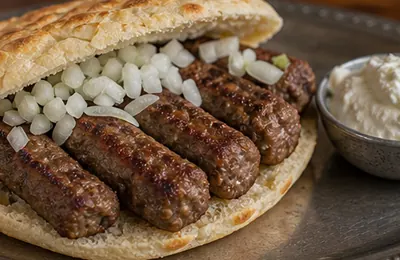 Ćevapi
Small grilled minced meat sausages served in flatbread with onion and kajmak cream — Bosnia's most iconic dish.
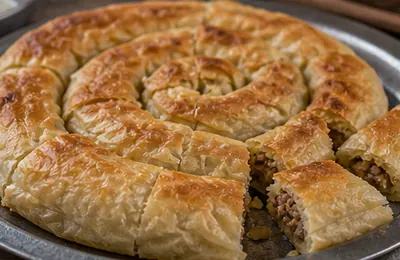 Burek
BurekCoiled phyllo pastry filled with minced meat — the Bosnian version is the definitive burek of the Balkans.
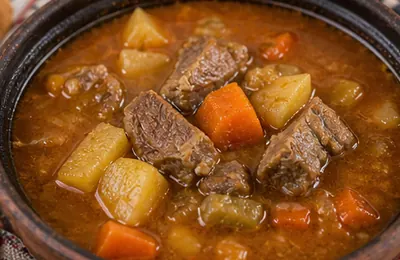 Bosanski lonac
Slow-cooked pot of beef, lamb and vegetables layered in a clay pot with garlic and parsley.
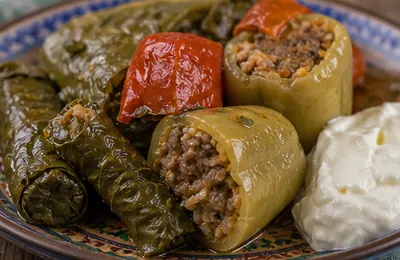 Dolma
DolmaStuffed peppers or tomatoes filled with rice and minced meat, simmered in a light tomato sauce.
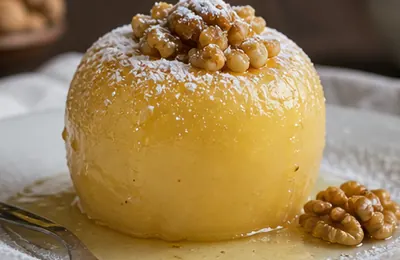 Tufahija
Whole poached apple stuffed with walnuts and topped with whipped cream — an Ottoman-era dessert.
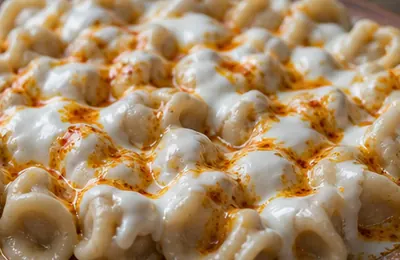 Klepe
KlepeBosnian dumplings stuffed with minced beef and onion, served with yogurt and garlic butter.
What to drink
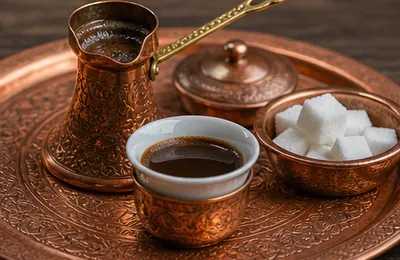 Bosanska kafa
Bosnian coffee — unfiltered, boiled in a džezva copper pot and poured over the grounds.
 Šljivovica
Plum brandy — the most widely consumed spirit in Bosnia and Herzegovina.
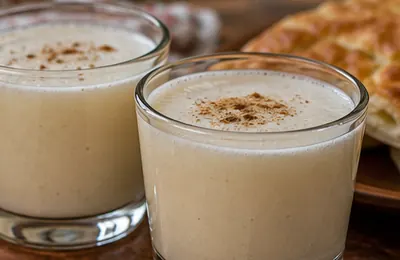 Boza
BozaFermented grain drink — thick, sweet and slightly sour, sold in markets and cafés.
Culture & traditions
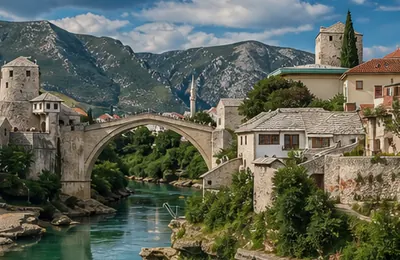 Stari Most bridge
The rebuilt 16th-century Ottoman bridge in Mostar is the symbol of Bosnian heritage and reconciliation.
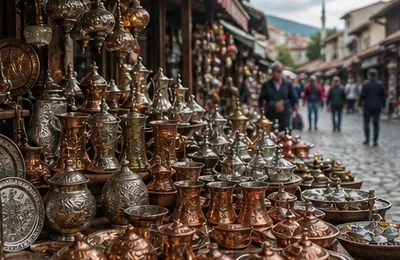 Baščaršija market
Sarajevo's Ottoman bazaar — a labyrinth of copper workshops, tea houses and mosques active for five centuries.
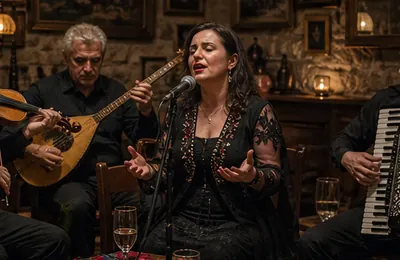 Sevdah music
Bosnian soul music — slow, melancholic songs of love and longing rooted in Ottoman musical traditions.
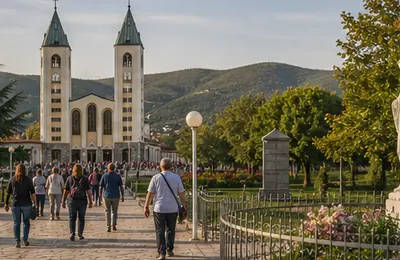 Međugorje pilgrimage
One of the most visited Catholic pilgrimage sites in Europe, located in Herzegovina.
Coming years
Bosnia and Herzegovina Statehood Day 2027
- Thursday 25 November 2027Next event date
Bosnia and Herzegovina Statehood Day 2028
- Saturday 25 November 2028Event date
Bosnia and Herzegovina Statehood Day 2029
- Sunday 25 November 2029Event date