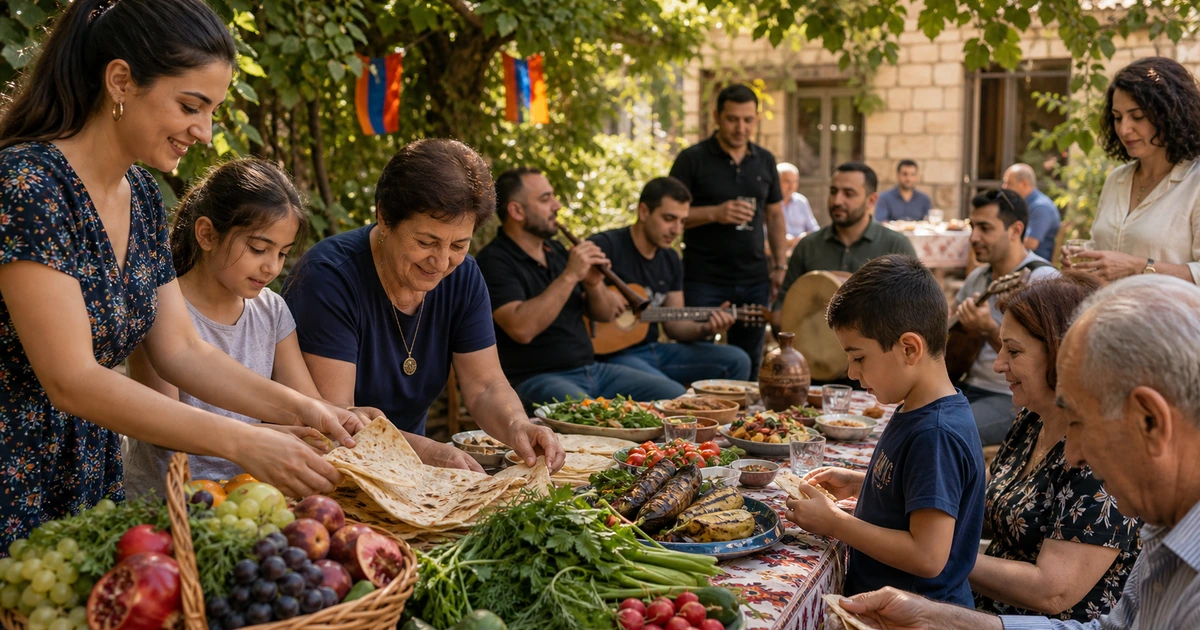
Armenia Independence Day 2027

More National days
National days topic
Return to the National days index for related events.
About the event
The Armenian Genocide of 1915 and the wars over Nagorno-Karabakh have made sovereignty a matter of existential significance for Armenians, giving the holiday a weight that goes beyond ordinary national celebration.
Yerevan's grand Soviet-era square hosts the official military parade and presidential address.
Why this day
On 21 September 1991, Armenians voted overwhelmingly in a referendum to declare independence from the Soviet Union, restoring sovereignty that had been lost in 1920. The date marks the rebirth of the Armenian state after 70 years of Soviet rule and centuries of foreign domination before that.
Armenia has one of the world's most ancient national identities. It was the first country to adopt Christianity as its state religion in 301 AD, and its alphabet — invented in 405 AD — is still in use today. This deep sense of cultural continuity makes independence a particularly charged milestone for Armenians worldwide.
Independence Day is celebrated with a grand military parade in Yerevan's Republic Square, fireworks over the Hrazdan River and concerts featuring traditional duduk music. The diaspora — numbering several million across France, the United States and Russia — joins in celebrations in cities around the world.
The day also carries an undertone of remembrance. The Armenian Genocide of 1915 and the wars over Nagorno-Karabakh have made sovereignty a matter of existential significance for Armenians, giving the holiday a weight that goes beyond ordinary national celebration.
Timeline
- 301Armenia becomes first nation to adopt Christianity as state religion
- 1915Armenian Genocide — over one million Armenians killed by Ottoman forces
- 1991Independence from the Soviet Union declared by referendum
Key figures
Stay for the event
Check-in 20 Sep, check-out 22 Sep 2026 — 2 nights around 21 September 2026. Change the dates to stay longer.
AREA
Find stays in YerevanGetting there
- Celebratednationwide
- CapitalYerevan
- Time zoneAMT (UTC+4)
Host country
- Currency: Armenian dram
- Language: Armenian
- Driving: on the right
- Capital: Yerevan
- Phone: +374
- Emergency: 112
- Electricity: 230 V, 50 Hz, plugs C/F
What to eat
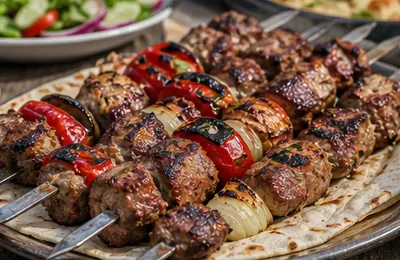 Khorovats
Armenian barbecue — pork, lamb or chicken grilled over open coals, the centrepiece of every celebration.
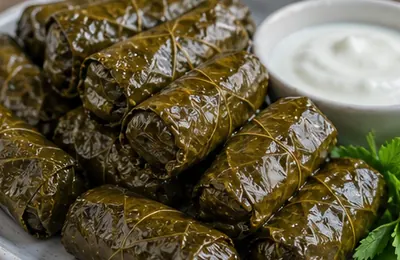 Dolma
DolmaGrape leaves or vegetables stuffed with spiced minced meat and rice, simmered in broth.
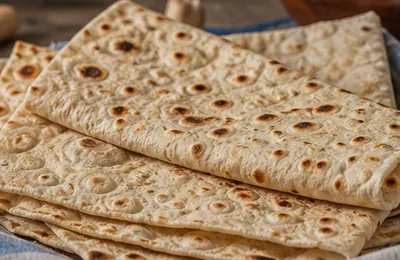 Lavash
Paper-thin flatbread baked on the walls of a clay tonir oven — a UNESCO-listed tradition.
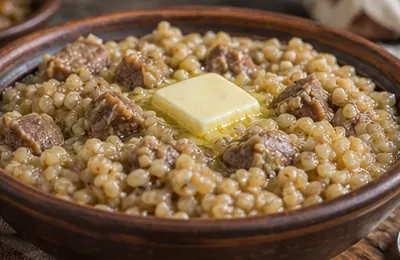 Harissa
Slow-cooked wheat and chicken porridge — a national dish with ancient roots, made for large gatherings.
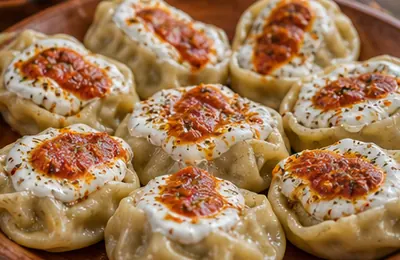 Manti
MantiTiny baked dumplings filled with spiced lamb, served with yogurt and paprika butter.
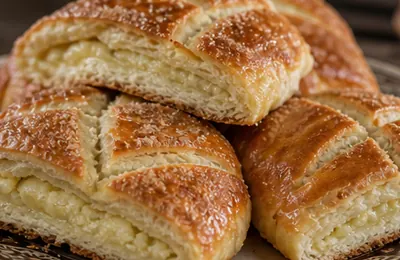 Gata
GataSweet bread enriched with butter and sugar — baked for celebrations and religious festivals.
What to drink
 Armenian cognac
World-famous brandy produced in Yerevan — Winston Churchill reportedly drank a bottle a day.
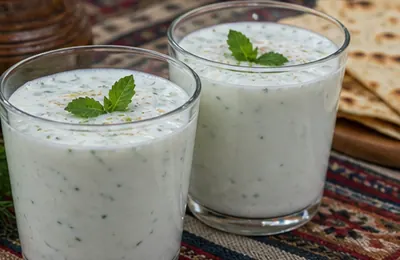 Tan
TanChilled fermented yogurt drink with water and salt — refreshing and traditional.
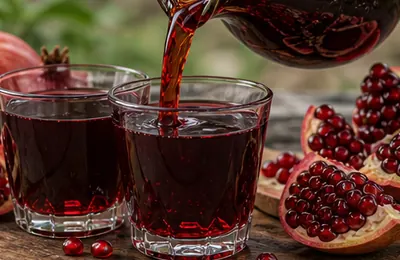 Pomegranate juice
Fresh-pressed pomegranate juice from the Ararat Valley — the pomegranate is Armenia's national symbol.
Culture & traditions
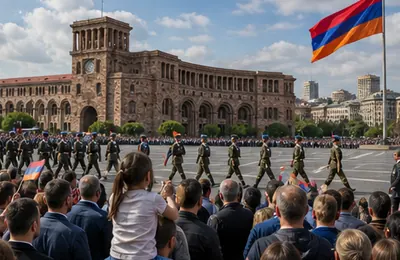 Republic Square parade
Yerevan's grand Soviet-era square hosts the official military parade and presidential address.
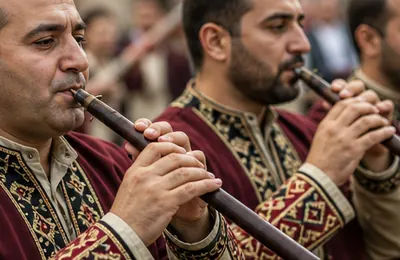 Duduk music
The haunting ancient woodwind instrument — UNESCO-listed — is performed at ceremonies and concerts.
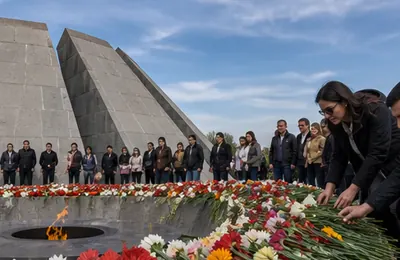 Genocide memorial
Many Armenians visit the Tsitsernakaberd memorial on Independence Day to lay flowers.
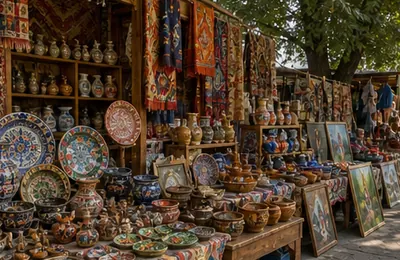 Vernissage market
Yerevan's outdoor arts-and-crafts market fills with traditional ceramics, carpets and jewellery.
Coming years
Armenia Independence Day 2028
- Thursday 21 September 2028Next event date
Armenia Independence Day 2029
- Friday 21 September 2029Event date
Armenia Independence Day 2030
- Saturday 21 September 2030Event date