Zimbabwe National Day 2027


More National days
National days topic
Return to the National days index for related events.
About the event
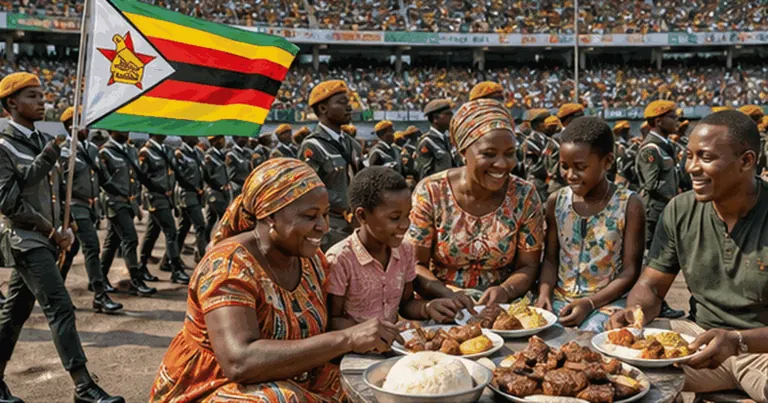
Families gather around sadza, stew, grilled meat, vegetables and music, while memories of the liberation struggle remain close to public language and family history. Its meaning is also complicated by later political repression, economic crisis and debates over the legacy of the liberation movement.
Harare stadium events often host the main independence ceremony.
Why this day
18 April marks the day in 1980 when Zimbabwe became independent, ending white-minority rule in Rhodesia after a long liberation war. The date created a new state named for Great Zimbabwe, the medieval stone city that anchors national historical imagination.
The day became Zimbabwe's central national holiday because it celebrates majority rule, land, liberation and African sovereignty. Its meaning is also complicated by later political repression, economic crisis and debates over the legacy of the liberation movement.
Today Independence Day is marked with official ceremonies, stadium events, speeches, music, military display and flags, often in Harare or another selected city. Visitors see the Zimbabwe Bird symbol, school performances, football crowds and green-yellow-red-black colours.
Across Zimbabwe, the day is social and reflective. Families gather around sadza, stew, grilled meat, vegetables and music, while memories of the liberation struggle remain close to public language and family history.
Timeline
- 1890British South Africa Company occupation begins in Mashonaland
- 1980Zimbabwe becomes independent after liberation war
- 2017Robert Mugabe resigns after decades in power
Key figures
Stay for the event
Check-in 17 Apr, check-out 19 Apr 2027 — 2 nights around 18 April 2027. Change the dates to stay longer.
AREA
Find stays in HarareGetting there
- Celebratednationwide
- CapitalHarare
- Time zoneCAT (UTC+2)
Host country
- Currency: Zimbabwean dollar
- Language: Chibarwe, English
- Driving: on the left
- Capital: Harare
- Phone: +263
- Emergency: 993
- Electricity: 220 V, 50 Hz, plugs D/G
What to eat
Thick maize porridge served with meat, vegetables or stew.
Beef or goat grilled or stewed for family celebrations.
Leafy greens cooked with peanut butter for rich flavour.
Small dried fish fried with tomato and onion.
Breakfast porridge sometimes flavoured with peanut butter or milk.
Popped maize snack sold in shops and markets.
What to drink
Iconic Zimbabwean cordial mixed with water for family tables.
Traditional-style sorghum beer sold commercially across the country.
Zimbabwean tea grown in the Eastern Highlands.
Culture & traditions
Harare stadium events often host the main independence ceremony.
The stone city gives the country its name and national bird symbol.
Thumb-piano music carries Shona spiritual and musical traditions.
The waterfall is a major national landmark and visitor symbol.
Coming years
Zimbabwe National Day 2028
- Tuesday 18 April 2028Next event date
Zimbabwe National Day 2029
- Wednesday 18 April 2029Event date
Zimbabwe National Day 2030
- Thursday 18 April 2030Event date