Maldives National Day 2027


More National days
National days topic
Return to the National days index for related events.
About the event
The date ended the protectorate arrangement while preserving a much older island identity shaped by sultanates, Islam, seafaring and Indian Ocean trade. Families gather around fish, coconut, flatbread, sweet tea and island snacks while the ocean remains the central background to national life.
The capital hosts official events, music and flag ceremonies.
Why this day
26 July marks the day in 1965 when the Maldives gained full independence from Britain. The date ended the protectorate arrangement while preserving a much older island identity shaped by sultanates, Islam, seafaring and Indian Ocean trade.
The day became the national independence celebration for a small island country whose sovereignty depends on sea routes, diplomacy and environmental survival. The later republic and modern tourism economy added new layers to how Maldivians understand national independence.
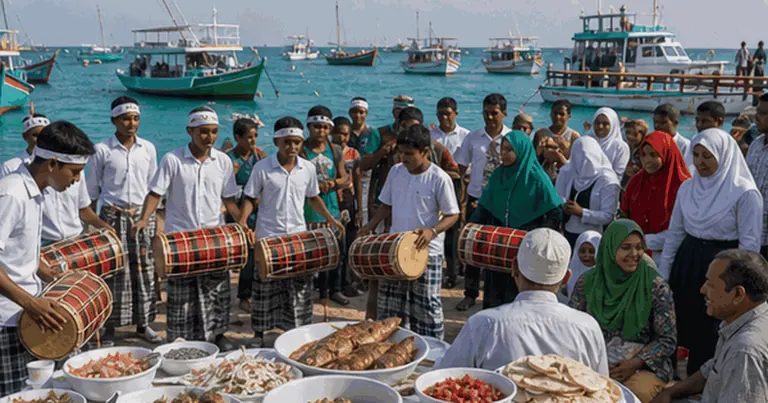
Today Independence Day is marked with official ceremonies, parades, music, school events, flags and cultural performances in Malé and island communities. Visitors see red-green-white flags, bodu beru drumming, harbour life and a public mood shaped by both pride and island vulnerability.
Across the Maldives, the holiday is coastal and communal. Families gather around fish, coconut, flatbread, sweet tea and island snacks while the ocean remains the central background to national life.
Timeline
- 1887Maldives becomes a British protected sultanate
- 1965Maldives gains full independence from Britain
- 1968Republic proclaimed after the sultanate ends
Key figures
Stay for the event
Check-in 25 Jul, check-out 27 Jul 2027 — 2 nights around 26 July 2027. Change the dates to stay longer.
AREA
Find stays in MaleGetting there
- Celebratednationwide
- CapitalMale
- Time zoneMVT (UTC+5)
Host country
- Currency: Maldivian rufiyaa
- Language: Maldivian
- Driving: on the left
- Capital: Male
- Phone: +960
- Emergency: 102
- Electricity: 230 V, 50 Hz, plugs D/G/J/K/L
What to eat
Tuna mixed with coconut, onion and chilli, eaten with flatbread.
Clear tuna broth served with rice, lime, chilli and onion.
Thick tuna paste used as a deeply savoury condiment.
Pastry filled with tuna, egg, cabbage and spices.
Grilled fish rubbed with chilli and spices.
Coconut flatbread served with fish dishes and curries.
What to drink
Black tea, often sweet, served throughout island homes.
Fresh young coconut water from island palms.
Palm toddy collected from coconut palms in traditional settings.
Culture & traditions
The capital hosts official events, music and flag ceremonies.
Large-drum music and dance gives celebrations a Maldivian rhythm.
Traditional boats symbolise fishing, travel and island skill.
Atolls and reefs define the country's geography and future.
Coming years
Maldives National Day 2028
- Wednesday 26 July 2028Next event date
Maldives National Day 2029
- Thursday 26 July 2029Event date
Maldives National Day 2030
- Friday 26 July 2030Event date