Malawi National Day 2027

More National days
National days topic
Return to the National days index for related events.
About the event
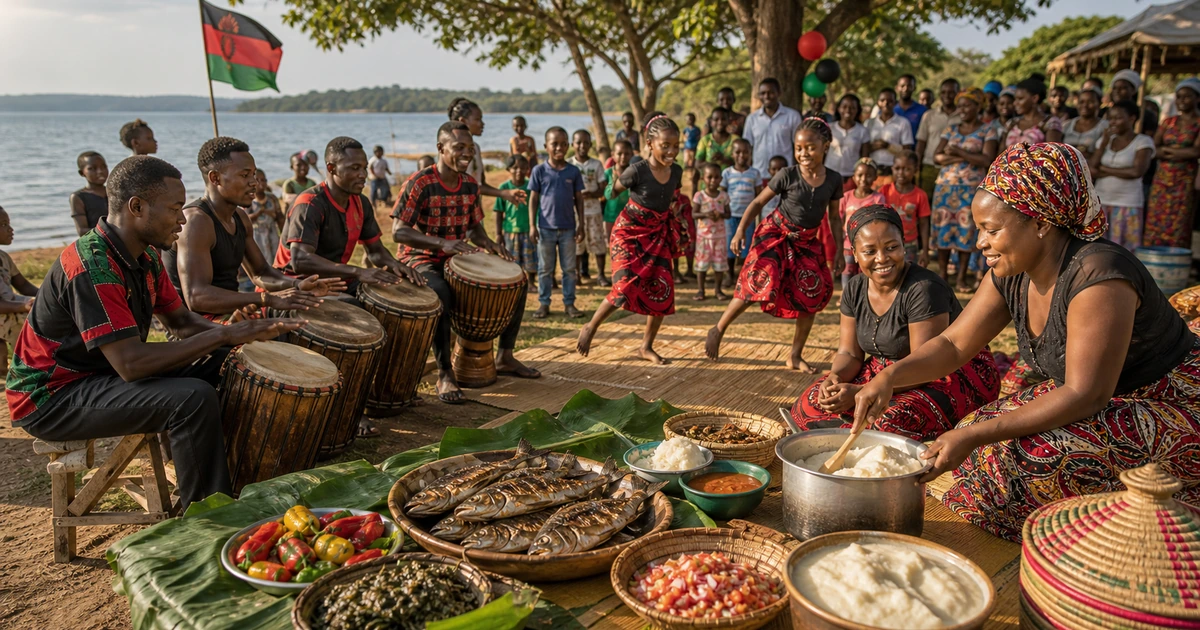
The date ended British colonial rule and gave the new country a name drawn from an older Maravi kingdom and from the lake that dominates its geography and imagination. Nsima, fish, tea, church choirs, schoolchildren, market music and the blue water of Lake Malawi all give the national day a recognisably local feel.
The lake is the country's defining landscape and a source of fish, travel and identity.
Why this day
6 July marks the day in 1964 when Nyasaland became independent as Malawi. The date ended British colonial rule and gave the new country a name drawn from an older Maravi kingdom and from the lake that dominates its geography and imagination.
The day became Malawi's central national holiday as the country moved quickly from independence to republic under Hastings Kamuzu Banda. Later democratic change in the 1990s added another layer to how Malawians understand freedom, leadership and civic life.
Today Independence Day is marked with official ceremonies, prayers, parades, music and football or community events. Lilongwe and Blantyre are important centres, but the holiday also belongs to lakeshore towns and villages where family gatherings shape the day.
Across Malawi, the celebration is warm and social. Nsima, fish, tea, church choirs, schoolchildren, market music and the blue water of Lake Malawi all give the national day a recognisably local feel.
Timeline
- 1891British Central Africa Protectorate established around Lake Nyasa
- 1964Malawi gains independence from Britain
- 1966Republic proclaimed with Hastings Banda as president
Key figures
Stay for the event
Check-in 5 Jul, check-out 7 Jul 2027 — 2 nights around 6 July 2027. Change the dates to stay longer.
AREA
Find stays in LilongweGetting there
- Celebratednationwide
- CapitalLilongwe
- Time zoneCAT (UTC+2)
Host country
- Currency: Malawian kwacha
- Language: English, Chewa
- Driving: on the left
- Capital: Lilongwe
- Phone: +265
- Emergency: 990
- Electricity: 230 V, 50 Hz, plugs G
What to eat
Thick maize porridge served with relish, the foundation of Malawian meals.
Lake Malawi tilapia, grilled or fried and served with nsima.
Vegetable, bean, fish or meat relish eaten with nsima.
Cassava-based dough especially associated with northern Malawi.
Fried dough snacks eaten with tea or sold at markets.
Groundnut sauce with vegetables, fish or chicken over rice or nsima.
What to drink
Tea from Thyolo and Mulanje plantations is a national everyday drink.
Malawian fermented maize drink — thin and cooling, a staple non-alcoholic refreshment at outdoor celebrations.
Popular Malawian lager named with a phrase meaning from dawn till dusk.
Culture & traditions
The lake is the country's defining landscape and a source of fish, travel and identity.
UNESCO-listed masked dance tradition of Chewa communities.
School groups, officials and performers gather for ceremonies in major towns.
Christian choral music is a visible part of public and family celebrations.
Coming years
Malawi National Day 2028
- Thursday 6 July 2028Next event date
Malawi National Day 2029
- Friday 6 July 2029Event date
Malawi National Day 2030
- Saturday 6 July 2030Event date