Liechtenstein National Day 2027


More National days
National days topic
Return to the National days index for related events.
About the event
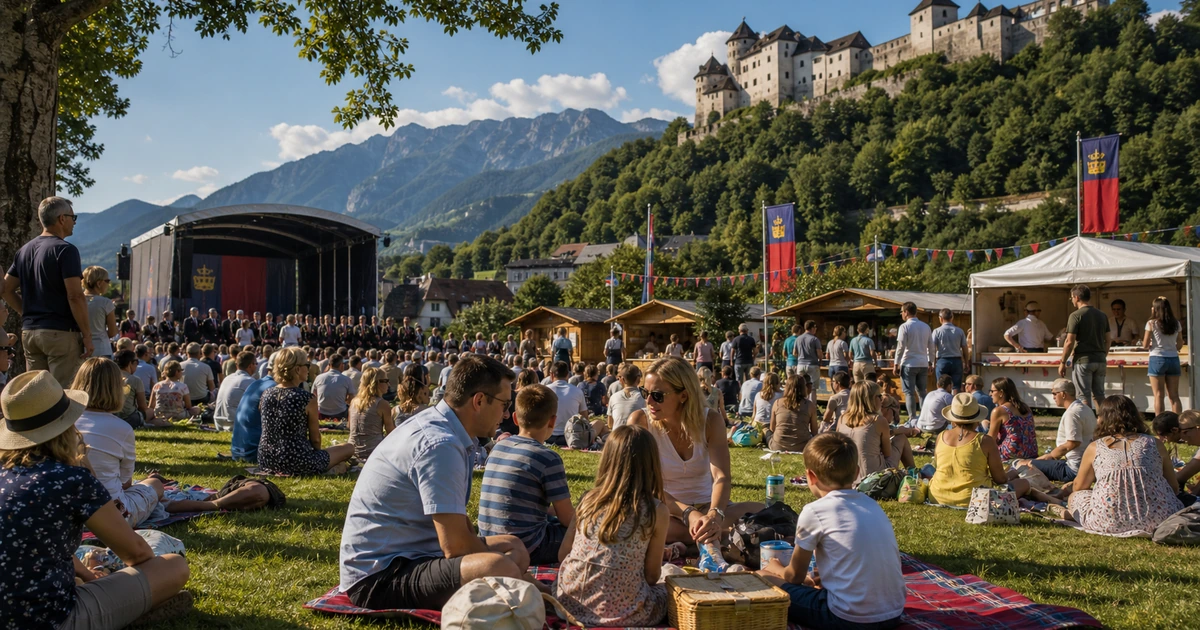
Liechtenstein's national day, held on the reigning Prince's official birthday rather than an independence date, centres on a garden party at Vaduz Castle hosted by the princely family, followed by fireworks over the capital - one of the more informal national-day traditions in Europe, reflecting the country's small population of under 40,000.
The residence of the princely family — visitors can walk up to the castle gates though the interior is private.
Why this day
Liechtenstein celebrates its National Day on 15 August — the Feast of the Assumption — combining a Catholic religious holiday with the national celebration. The date was chosen in the 1940s to coincide with an existing public holiday, making it a day when the entire country could celebrate together.
Liechtenstein is the sixth smallest country in the world and the only German-speaking country fully enclosed within other German-speaking countries. It is also one of only two doubly landlocked countries. The principality has maintained its independence since 1719 and has been ruled by the Liechtenstein family — one of the wealthiest royal families in the world — for over 300 years.
The National Day celebration in Vaduz is remarkably accessible — the reigning Prince traditionally invites all citizens to the grounds of Vaduz Castle for a reception, and fireworks are launched from the castle hill above the tiny capital. The intimate scale of the country makes the celebration unusually personal.
Timeline
- 1719Principality of Liechtenstein established as a sovereign state
- 1866Liechtenstein achieves full sovereignty — standing army disbanded
- 1990Liechtenstein joins the United Nations
Key figures
Stay for the event
Check-in 14 Aug, check-out 16 Aug 2027 — 2 nights around 15 August 2027. Change the dates to stay longer.
AREA
Find stays in VaduzGetting there
- Celebratednationwide
- CapitalVaduz
- Time zoneCET (UTC+1)
Host country
- Currency: Swiss franc
- Language: German
- Driving: on the right
- Capital: Vaduz
- Phone: +423
- Emergency: 112
- Electricity: 230 V, 50 Hz, plugs C/J
What to eat
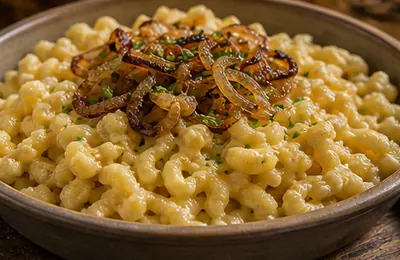 Käsknöpfle
Spaetzle pasta tossed with Alpine cheese and topped with crispy fried onions — the national dish.
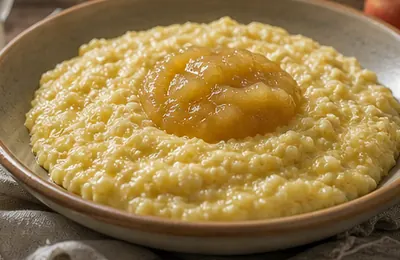 Ribel
RibelCornmeal porridge pan-fried until crispy — a Rhine Valley specialty eaten with compote or yogurt.
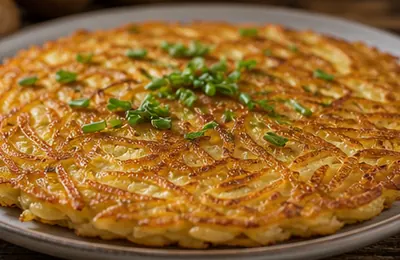 Rösti
RöstiCrispy grated potato cake — shared with Switzerland as the definitive German-Swiss mountain dish.
 Wurstsalat
Cold sausage salad with onion and vinegar — served at outdoor events and village fairs.
 Zwetschgenknödel
Plum dumplings in a potato dough crust, rolled in buttered breadcrumbs — an autumn dessert.
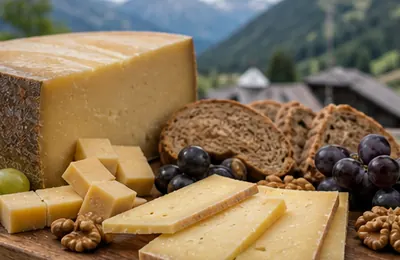 Funkelkäse
Local Alpine cheese from Liechtenstein's dairy farms — semi-hard and nutty.
What to drink
 Liechtensteiner wine
Vaduz wines from the Prince's own vineyards — Pinot Noir produced on steep Rhine Valley slopes.
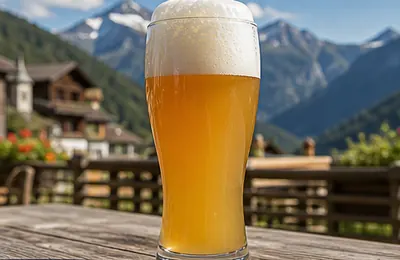 Hefeweizen
German-style wheat beer from the nearby Bavarian and Austrian breweries — widely served at outdoor events.
 Apple juice
Fresh-pressed apple juice from the Rhine Valley orchards — a non-alcoholic local staple.
Culture & traditions
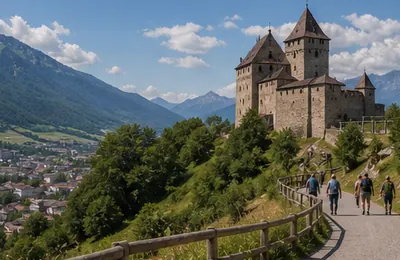 Vaduz Castle
The residence of the princely family — visitors can walk up to the castle gates though the interior is private.
 National Day reception
The Prince opens Vaduz Castle grounds to all citizens for a traditional National Day garden party.
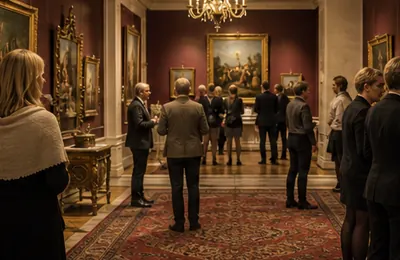 Liechtenstein Museum Vienna
The Princely Collections — Old Masters and Baroque art — held in Vienna by the ruling family.
 Rhine Valley hiking
Liechtenstein's mountain trails offer views across Austria, Switzerland and the Rhine to Germany.
Coming years
Liechtenstein National Day 2028
- Tuesday 15 August 2028Next event date
Liechtenstein National Day 2029
- Wednesday 15 August 2029Event date
Liechtenstein National Day 2030
- Thursday 15 August 2030Event date