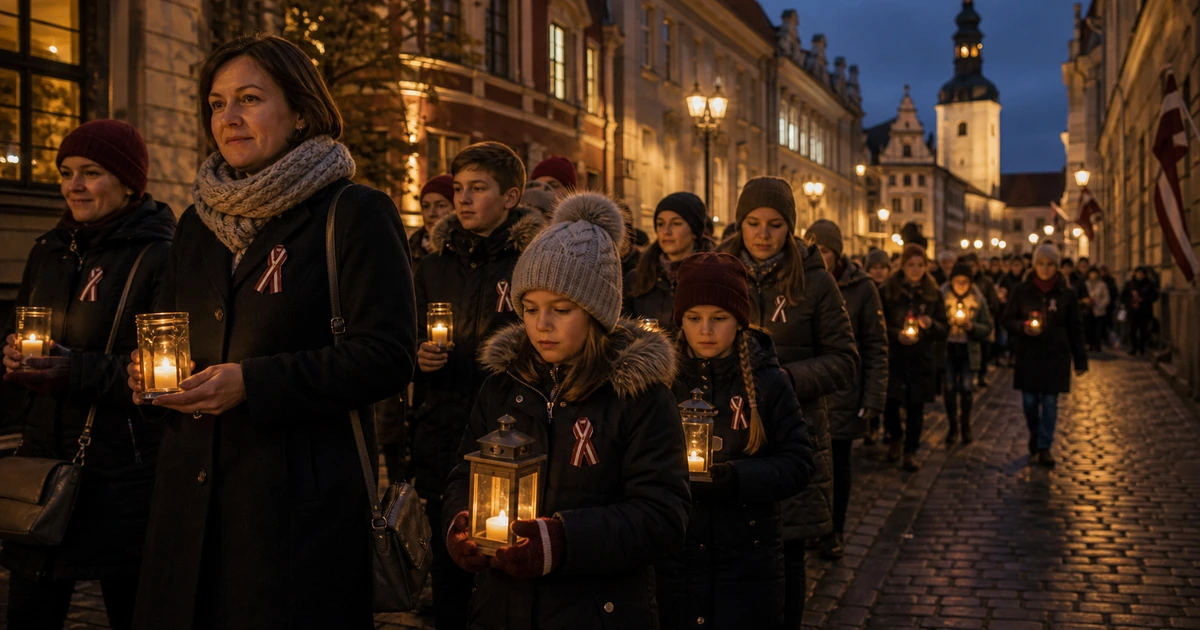
Latvia Independence Day 2026


More National days
National days topic
Return to the National days index for related events.
About the event
Why Latvia celebrates 18 November On 18 November 1918, the Latvian People's Council proclaimed the Republic of Latvia in Riga, ending centuries of foreign rule — first by German crusading knights, then Poland-Lithuania, then Sweden and finally Russia.
Up to 40,000 performers in a once-every-five-years event — central to Latvian national identity since the 19th century.
Why this day
On 18 November 1918, the Latvian People's Council proclaimed the Republic of Latvia in Riga, ending centuries of foreign rule — first by German crusading knights, then Poland-Lithuania, then Sweden and finally Russia. The declaration came at the end of World War I as the Russian Empire collapsed, creating a window for Baltic self-determination.
Latvia maintained its independence until 1940, when it was occupied by the Soviet Union following the Molotov-Ribbentrop Pact. The occupation — which included mass deportations of Latvians to Siberia — is central to national memory. Independence was restored in August 1991 as the Soviet Union dissolved, with Latvia one of the first republics to break free.
Independence Day is marked with the largest public gathering of the year in Riga. The main ceremony takes place at the Freedom Monument — Brīvības piemineklis — in the centre of the city. A torchlight procession, fireworks over the Daugava River and a state concert complete the celebrations. The national colours of dark red and white are everywhere.
Timeline
- 1918Latvian People's Council proclaims the Republic of Latvia in Riga
- 1940Soviet occupation — Latvia incorporated into the USSR
- 1991Independence restored after the Baltic independence movement
Key figures
Stay for the event
Check-in 17 Nov, check-out 19 Nov 2026 — 2 nights around 18 November 2026. Change the dates to stay longer.
AREA
Find stays in RigaGetting there
- Celebratednationwide
- CapitalRiga
- Time zoneEET (UTC+2)
Host country
- Currency: euro
- Language: Latvian
- Driving: on the right
- Capital: Riga
- Phone: +371
- Emergency: 112
- Electricity: 230 V, 50 Hz, plugs C/F
What to eat
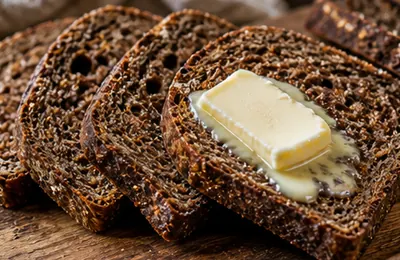 Rupjmaize
Dense dark rye sourdough bread — the cornerstone of Latvian food culture, eaten at every meal.
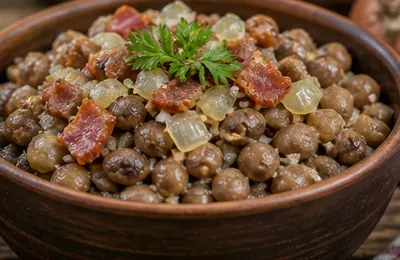 Grey peas with bacon
Pelēkie zirņi — grey field peas fried with smoked bacon and onion — a Latvian Christmas and celebration dish.
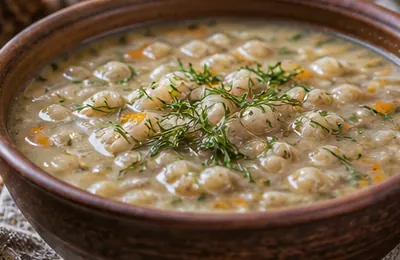 Skābputra
Fermented barley porridge — an ancient Latvian staple still eaten as a breakfast in the countryside.
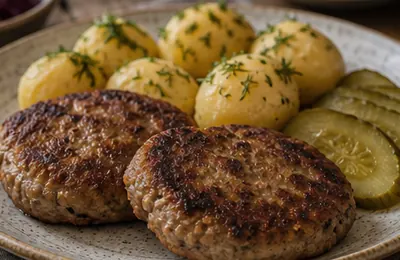 Kotletes
Latvian-style meat patties with onion — served with boiled potato and pickled cucumber.
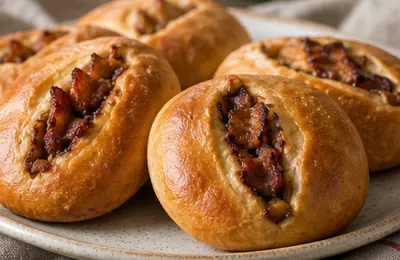 Speķrauši
Bacon-filled rye bread rolls — the definitive Latvian bakery product for outdoor events.
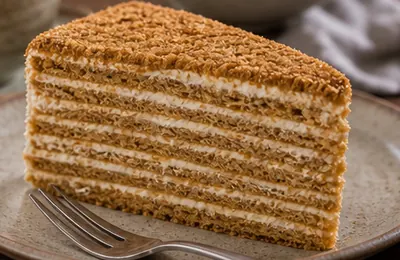 Kūka
KūkaLatvian layer cake — sponge with cream and fruit in season, decorated with whipped cream.
What to drink
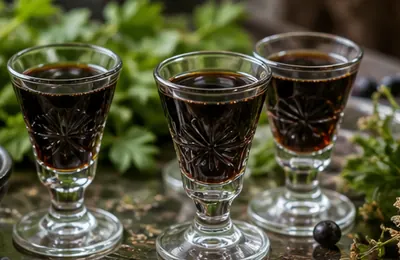 Riga Black Balsam
Bitter herbal liqueur made to a 18th-century recipe — drunk neat or in hot tea on cold evenings.
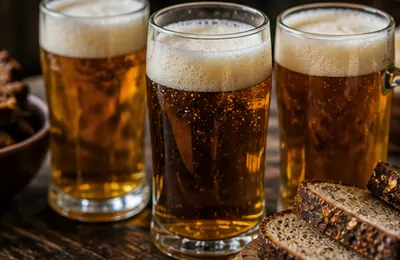 Alus
AlusLatvian beer — Aldaris and Valmiermuiža are the best-known brands of a strong craft beer scene.
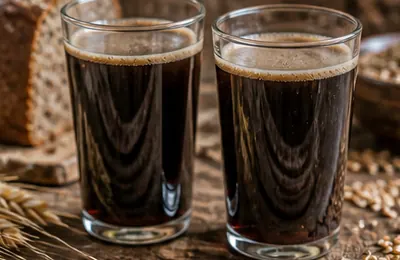 Kvass
KvassFermented rye bread drink — slightly tangy and fizzy, sold in glasses on Riga's streets in summer.
Culture & traditions
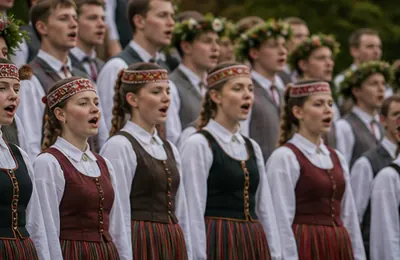 Song and Dance Festival
Up to 40,000 performers in a once-every-five-years event — central to Latvian national identity since the 19th century.
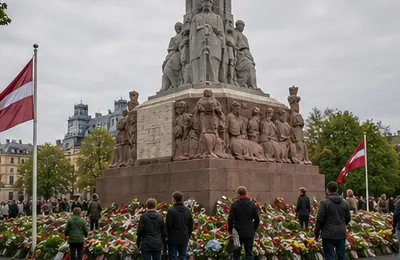 Freedom Monument
The 1935 monument in central Riga — where the independence proclamation ceremony takes place each 18 November.
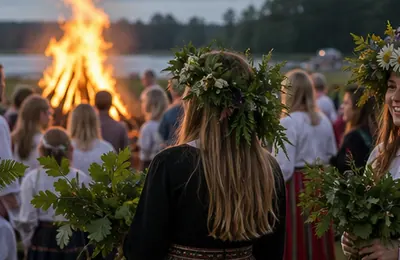 Jāņi midsummer
Latvian midsummer festival — bonfires, flower crowns, oak garlands and singing through the shortest night.
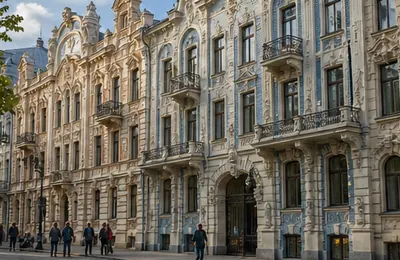 Riga Art Nouveau
Riga has more Art Nouveau buildings than any other city in the world — its centre is a UNESCO World Heritage site.
Coming years
Latvia Independence Day 2027
- Thursday 18 November 2027Next event date
Latvia Independence Day 2028
- Saturday 18 November 2028Event date
Latvia Independence Day 2029
- Sunday 18 November 2029Event date