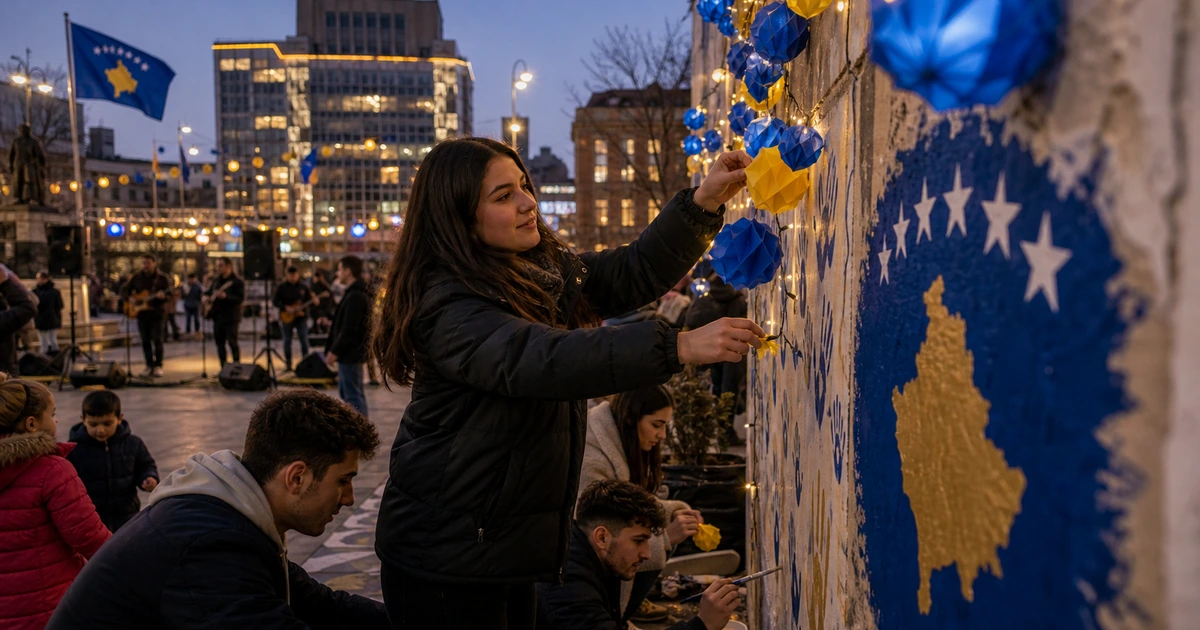
Kosovo Independence Day 2027

More National days
National days topic
Return to the National days index for related events.
About the event
The declaration was recognised by over 100 UN member states including the United States, most EU members and many others, though Serbia, Russia and China do not recognise Kosovo's independence.
The giant "NEWBORN" sculpture in Pristina — unveiled on independence day 2008 and repainted each year for the anniversary.
Why this day
On 17 February 2008, the Assembly of Kosovo unilaterally declared independence from Serbia, making it one of the world's youngest states. The declaration was recognised by over 100 UN member states including the United States, most EU members and many others, though Serbia, Russia and China do not recognise Kosovo's independence.
Kosovo's path to independence was shaped by the ethnic conflict of the late 1990s. Following the breakup of Yugoslavia, tensions between the majority Albanian population and Serbian authorities escalated into armed conflict in 1998-1999. NATO's military intervention in 1999 ended Serbian control, and Kosovo was placed under UN administration until the 2008 declaration.
Independence Day is celebrated with large gatherings in Pristina's main squares, fireworks, concerts and flag displays. The celebration reflects the joy of a young nation — Kosovo has one of the youngest populations in Europe — and the pride of a people who gained their own state after decades of struggle.
Timeline
- 1389Battle of Kosovo — Ottoman forces defeat Serbian and Balkan coalition
- 1999NATO intervention ends Serbian military campaign in Kosovo
- 2008Kosovo declares independence from Serbia
Stay for the event
Check-in 16 Feb, check-out 18 Feb 2027 — 2 nights around 17 February 2027. Change the dates to stay longer.
AREA
Find stays in PristinaGetting there
- Celebratednationwide
- CapitalPristina
- Time zoneCET (UTC+1)
Host country
- Currency: euro
- Language: Albanian, Serbian
- Driving: on the right
- Capital: Pristina
- Phone: +383
- Emergency: 112
- Electricity: 230 V, 50 Hz, plugs C/F
What to eat
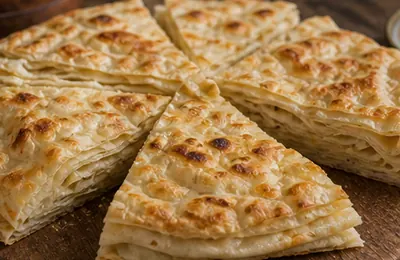 Flija
FlijaLayered crepe pancake baked on a special iron trivet — a traditional Kosovo Albanian celebration dish.
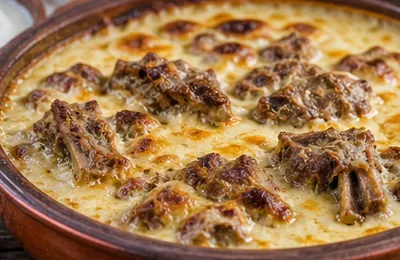 Tavë kosi
Baked lamb with yogurt and eggs — shared with Albania as the most beloved slow-cooked dish of the region.
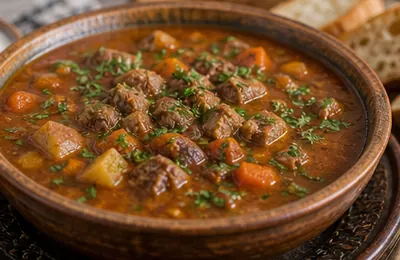 Gjellë
Meat and vegetable stew slow-cooked in a clay pot with onion and peppers.
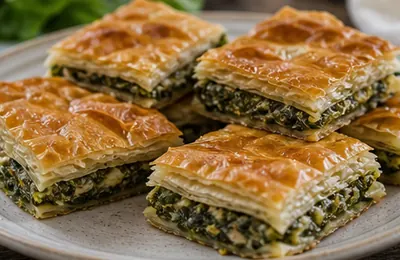 Pite me spinaq
Filo pastry filled with spinach and white cheese — the omnipresent pastry snack of Kosovo.
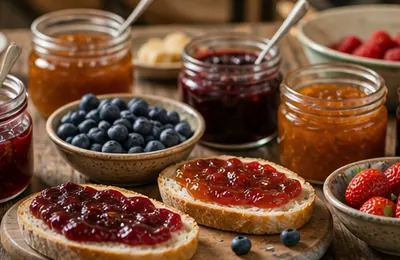 Reçeli me fruta
Thick homemade fruit preserves — quince, plum or fig — served with fresh white cheese and bread.
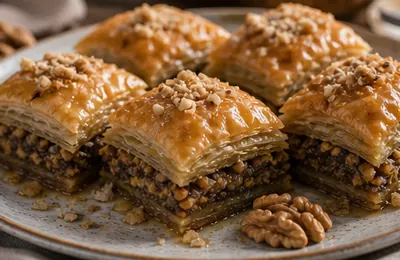 Baklava
Diamond-cut walnut-filled pastry soaked in sugar syrup — central to celebrations and coffee visits.
What to drink
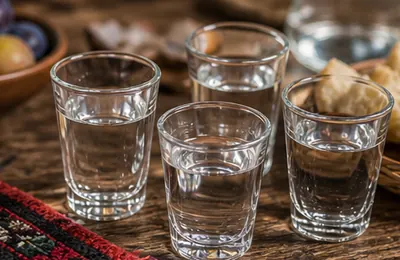 Rakia
RakiaPlum or grape brandy — the principal spirit consumed at family celebrations.
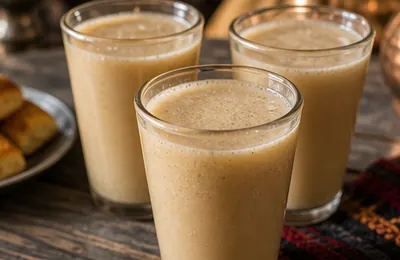 Boza
BozaFermented grain drink — mildly sweet and thick, sold in traditional shops.
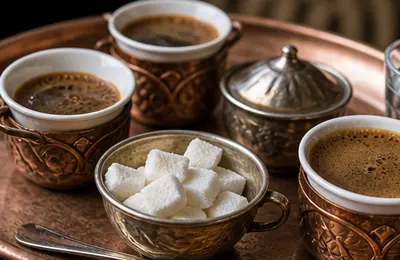 Coffee
Strong Turkish-style coffee — the central social ritual of daily life in Kosovo.
Culture & traditions
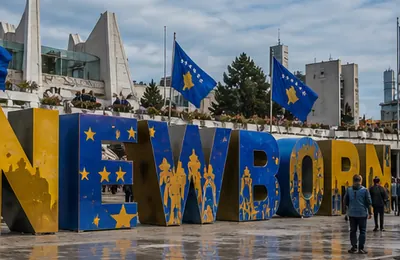 Newborn monument
The giant "NEWBORN" sculpture in Pristina — unveiled on independence day 2008 and repainted each year for the anniversary.
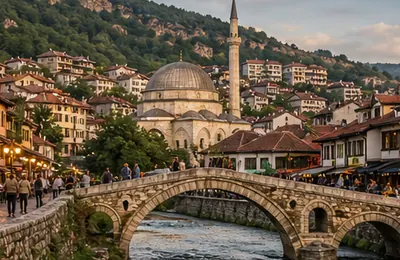 Prizren Old Town
The most beautiful Ottoman town in Kosovo — mosques, stone bridges and bazaars alongside the Bistrica river.
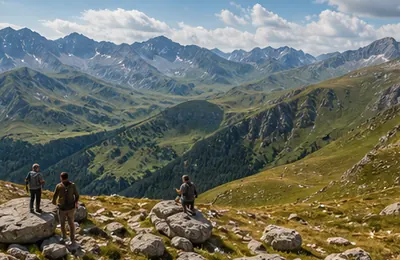 Sharr Mountains
High alpine meadows on the border with North Macedonia — skiing in winter, hiking in summer.
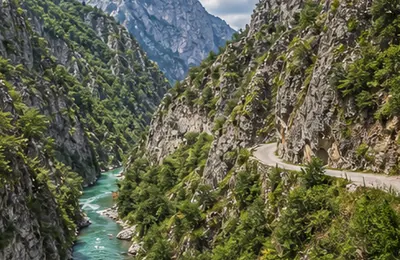 Rugova Canyon
Dramatic gorge near Peja — one of the deepest canyons in the Balkans and a growing adventure tourism destination.
Coming years
Kosovo Independence Day 2028
- Thursday 17 February 2028Next event date
Kosovo Independence Day 2029
- Saturday 17 February 2029Event date
Kosovo Independence Day 2030
- Sunday 17 February 2030Event date