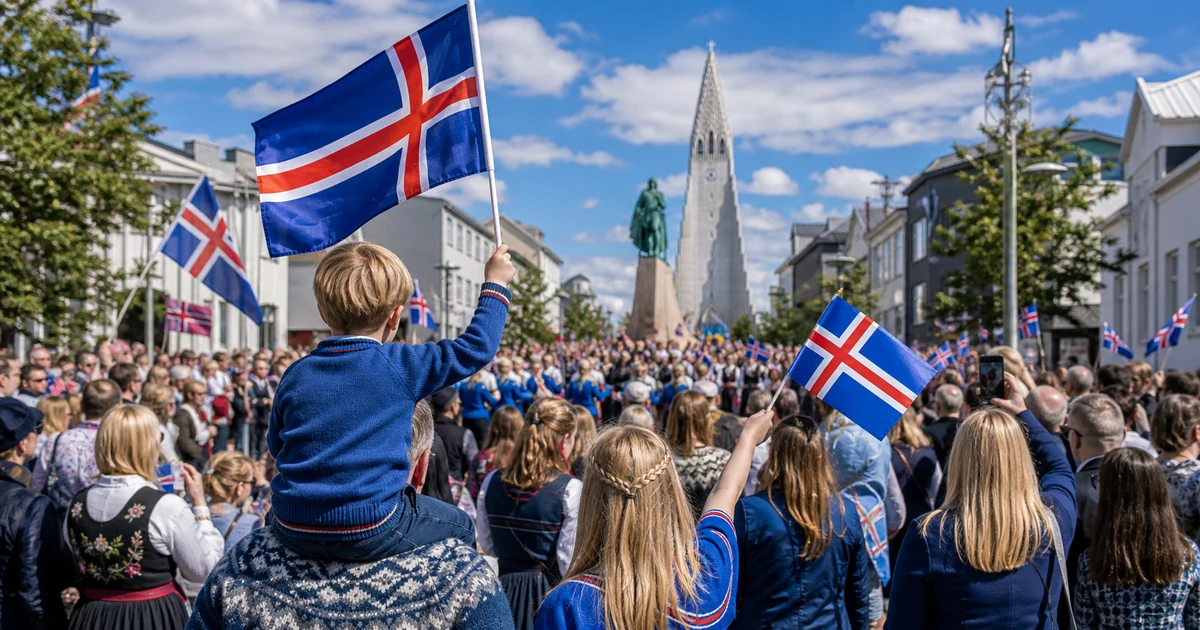
Iceland National Day 2027

More National days
National days topic
Return to the National days index for related events.
About the event
The Icelanders used the opportunity to hold a referendum on independence — 98% voted in favour — and the republic was proclaimed at Þingvellir, the site of the ancient Althing parliament.
The site of the world's oldest parliament and the geological rift between the Eurasian and American tectonic plates.
Why this day
On 17 June 1944, Iceland declared full independence from Denmark and established the Republic of Iceland. The date was chosen partly in honour of Jón Sigurðsson — the leader of the 19th-century Icelandic independence movement — who was born on 17 June 1811. Iceland had been in personal union with Denmark since 1380, though it maintained its own parliament and considerable autonomy.
The timing of independence in 1944 was influenced by World War II. Denmark had been occupied by Nazi Germany since 1940, which severed practical ties with Iceland. The Icelanders used the opportunity to hold a referendum on independence — 98% voted in favour — and the republic was proclaimed at Þingvellir, the site of the ancient Althing parliament.
National Day is one of the most festive occasions in Iceland. The town of Akureyri holds particularly lively celebrations, but Reykjavik's parade — with the symbolic "Lady of the Mountain" ceremony — is the centrepiece. Street performers, brass bands and children's activities fill city centres throughout the long summer day.
Timeline
- 930Althing established — world's oldest surviving parliament
- 1944Iceland declares independence from Denmark on 17 June
- 2008Financial crisis — Iceland becomes first country to prosecute bankers
Key figures
Stay for the event
Check-in 16 Jun, check-out 18 Jun 2027 — 2 nights around 17 June 2027. Change the dates to stay longer.
AREA
Find stays in ReykjavikGetting there
- Celebratednationwide
- CapitalReykjavík
- Time zoneGMT (UTC+0)
Host country
- Currency: Icelandic króna
- Language: Icelandic
- Driving: on the right
- Capital: Reykjavík
- Phone: +354
- Emergency: 112
- Electricity: 230 V, 50 Hz, plugs C/F
What to eat
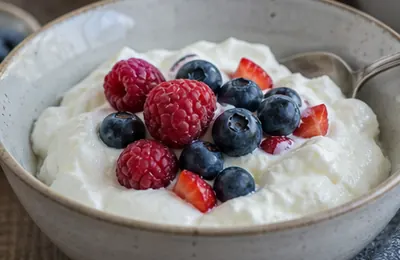 Skyr
SkyrThick, protein-rich Icelandic dairy product — eaten with berries and cream or used in cooking and baking.
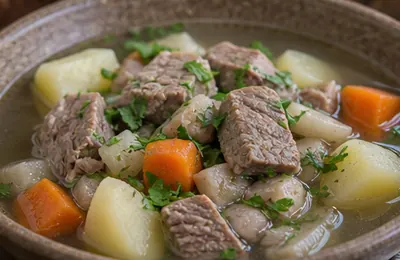 Lamb soup
Kjötsúpa — slow-simmered Icelandic lamb with root vegetables and herbs — the definitive comfort dish.
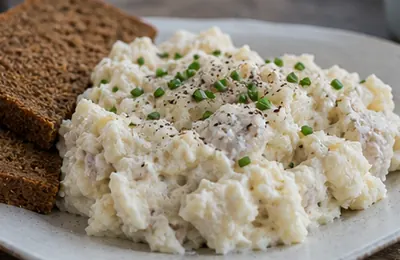 Plokkfiskur
Poached cod mashed with potato, onion and béchamel — a traditional fisherman's dish.
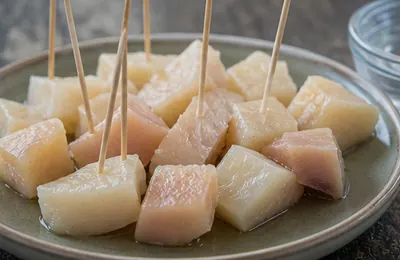 Hákarl
Fermented Greenlandic shark — ammoniacal and intensely flavoured, eaten in small cubes as a cultural rite of passage.
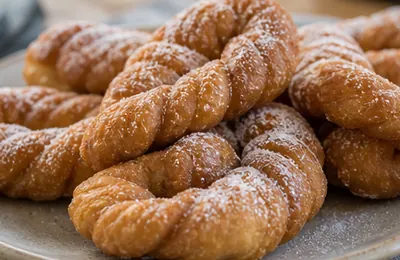 Kleinur
Twisted fried dough pastries dusted with sugar — an Icelandic bakery classic at celebrations.
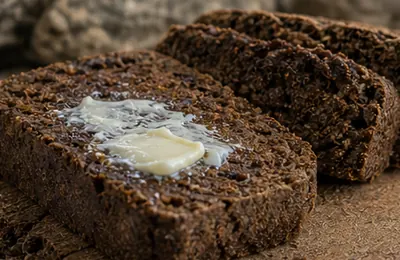 Rúgbrauð
Dense, dark rye bread steamed in the ground using geothermal heat — moist and slightly sweet.
What to drink
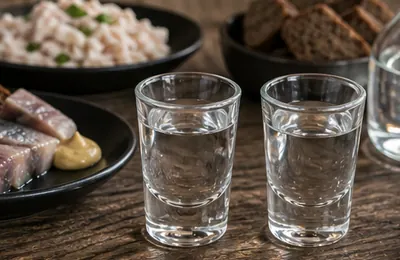 Brennivín
Icelandic aquavit flavoured with caraway — nicknamed Black Death, drunk alongside hákarl.
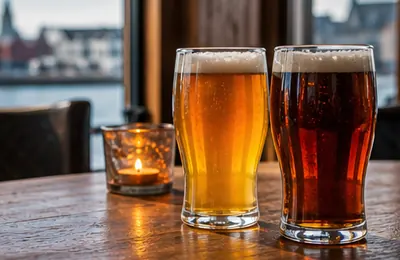 Einstök beer
Icelandic craft beer brewed with Arctic water — the Toasted Porter and White Ale are internationally acclaimed.
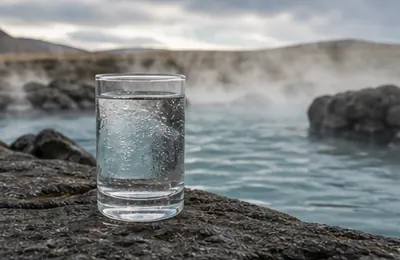 Hot spring water
Iceland's geothermally heated tap water is among the purest in the world — the country's invisible luxury.
Culture & traditions
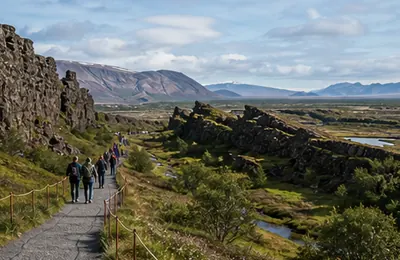 Þingvellir National Park
The site of the world's oldest parliament and the geological rift between the Eurasian and American tectonic plates.
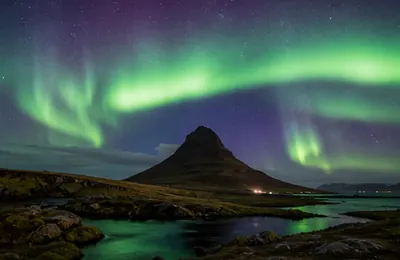 Northern lights
The aurora borealis appears over Iceland from September to March — one of the world's great natural spectacles.
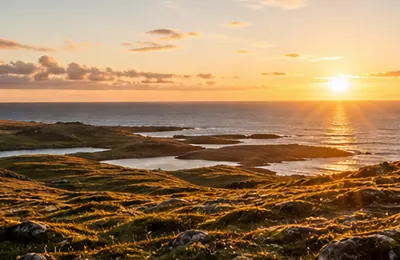 Midnight sun
In June, the sun barely sets — the National Day falls in the perpetual summer daylight.
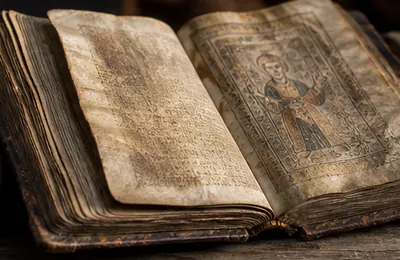 Icelandic sagas
Medieval prose narratives written in the 13th century — among the greatest literary works of the Middle Ages.
Coming years
Iceland National Day 2028
- Saturday 17 June 2028Next event date
Iceland National Day 2029
- Sunday 17 June 2029Event date
Iceland National Day 2030
- Monday 17 June 2030Event date