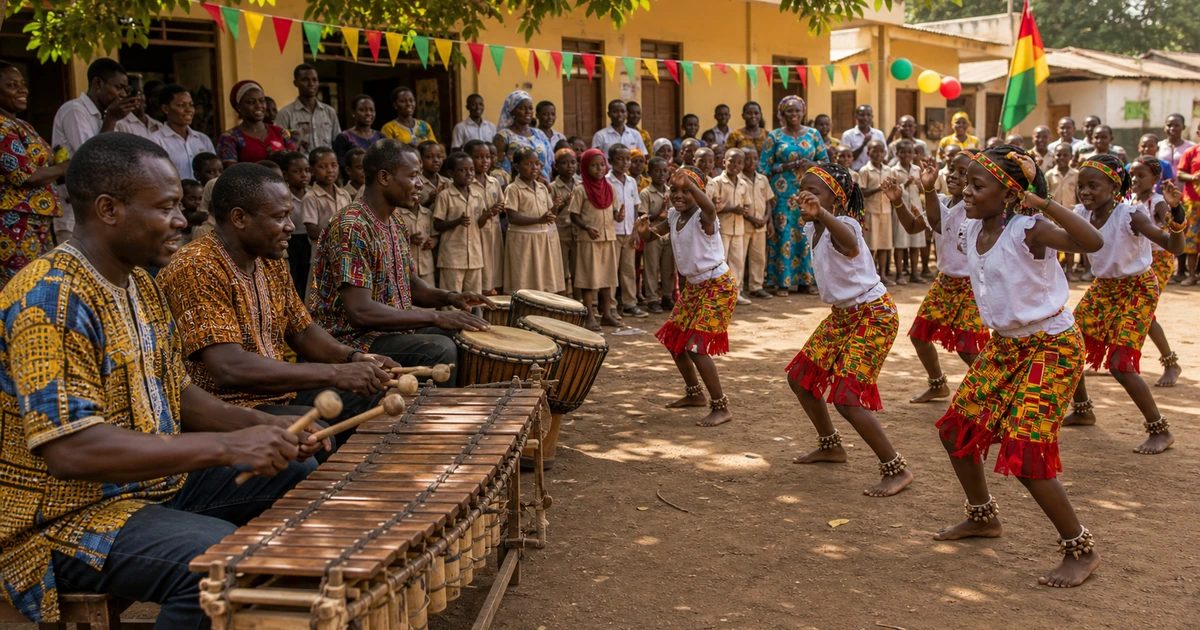
Guinea National Day 2027


More National days
National days topic
Return to the National days index for related events.
About the event
The date followed a dramatic referendum in which Guineans voted no to joining the French Community, choosing immediate sovereignty while most neighbouring colonies accepted continued association.
The capital hosts official parades, speeches and Independence Day concerts.
Why this day
2 October marks the day in 1958 when Guinea became independent from France. The date followed a dramatic referendum in which Guineans voted no to joining the French Community, choosing immediate sovereignty while most neighbouring colonies accepted continued association.
The decision made Guinea a symbol of anti-colonial defiance. President Ahmed Sekou Toure argued that dignity mattered more than comfort, and France responded by withdrawing administrators and support. That difficult break shaped Guinea's politics, economy and national mythology for decades.
Today Independence Day is marked with official ceremonies, flags, music, youth events and speeches, especially in Conakry. Visitors see a celebration tied to Mandé heritage, coastal life, revolutionary memory and the country's strong musical tradition.
Across Guinea, national identity is regional and musical: Fula, Malinke, Susu and forest communities bring different languages, rhythms and foods. The day works best when it feels like a shared stage for those identities.
Timeline
- 1891French Guinea established within French West Africa
- 1958Guinea votes no to the French Community and becomes independent
- 1984First Republic ends after Sekou Toure's death
Key figures
Stay for the event
Check-in 1 Oct, check-out 3 Oct 2026 — 2 nights around 2 October 2026. Change the dates to stay longer.
AREA
Find stays in ConakryGetting there
- Celebratednationwide
- CapitalConakry
- Time zoneGMT (UTC+0)
Host country
- Currency: Guinean franc
- Language: French
- Driving: on the right
- Capital: Conakry
- Phone: +224
- Emergency: 117
- Electricity: 220 V, 50 Hz, plugs C/F/K
What to eat
Tomato rice cooked with meat, fish and vegetables for festive meals.
Chicken with onion, lemon and mustard, common across coastal West Africa.
Leafy green sauce with meat or fish, often served over rice.
Peanut stew with beef or chicken, eaten with rice or couscous.
Eggplant and okra stew with tomato, chilli and fish or meat.
Meat skewers sold with onion, chilli and bread in Conakry streets.
What to drink
Sweet hibiscus drink served cold in homes and markets.
Sharp ginger drink, often sweetened and sold chilled.
Traditional fermented palm sap used in rural and social settings.
Culture & traditions
The capital hosts official parades, speeches and Independence Day concerts.
Guinea's state-supported orchestras helped define modern West African music.
Drumming and dance from Upper Guinea are central to cultural performance.
The highland region shapes Fula culture, rivers and national geography.
Coming years
Guinea National Day 2028
- Monday 2 October 2028Next event date
Guinea National Day 2029
- Tuesday 2 October 2029Event date
Guinea National Day 2030
- Wednesday 2 October 2030Event date