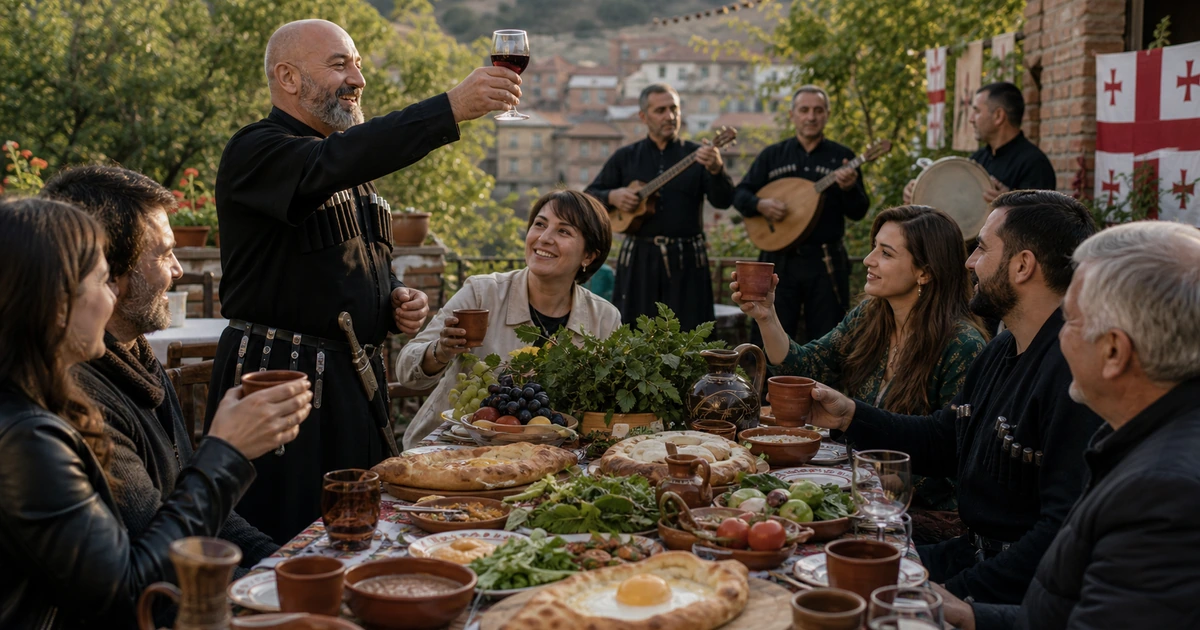
Georgia Independence Day 2027


More National days
National days topic
Return to the National days index for related events.
About the event
Why Georgia celebrates 26 May On 26 May 1918, the Georgian National Council proclaimed the Democratic Republic of Georgia in Tiflis — making Georgia one of the first democratic republics in the former Russian Empire.
The grand avenue in Tbilisi's centre is the stage for the Independence Day military ceremony.
Why this day
On 26 May 1918, the Georgian National Council proclaimed the Democratic Republic of Georgia in Tiflis — making Georgia one of the first democratic republics in the former Russian Empire. The republic introduced universal suffrage, freedom of speech and a multi-party parliament in a region where democracy was a radical experiment.
The republic was short-lived. In February 1921, the Soviet Red Army invaded Georgia and incorporated it into the Transcaucasian Soviet republic. But the memory of the 1918 republic was preserved in exile — particularly in Paris, where the Georgian government-in-exile kept the democratic tradition alive for 70 years.
Georgia restored independence in April 1991 following a referendum, and 26 May was retained as Independence Day to honour the first republic and assert historical continuity. The day is marked with a military parade in Tbilisi and celebrations across the country. The Mtkvari River embankment in Tbilisi fills with Georgian flags and live music.
Timeline
- 1918Democratic Republic of Georgia declared — first republic in the Caucasus
- 1921Soviet Red Army invades — independence lost for 70 years
- 1991Georgia restores independence following referendum
Key figures
Stay for the event
Check-in 25 May, check-out 27 May 2027 — 2 nights around 26 May 2027. Change the dates to stay longer.
AREA
Find stays in TbilisiGetting there
- Celebratednationwide
- CapitalTbilisi
- Time zoneGET (UTC+4)
Host country
- Currency: lari
- Language: Georgian
- Driving: on the right
- Capital: Tbilisi
- Phone: +995
- Emergency: 112
- Electricity: 220 V, 50 Hz, plugs C/F
What to eat
 Khachapuri
Cheese-filled bread — the Adjarian version comes boat-shaped with an egg and butter on top.
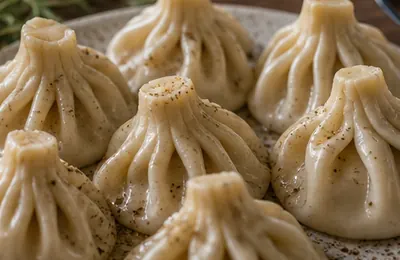 Khinkali
Large soup dumplings filled with spiced minced meat and broth — eaten by hand, leaving the top knot uneaten.
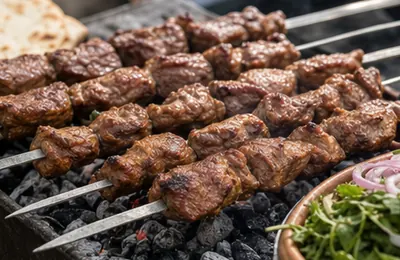 Mtsvadi
Pork or lamb skewers grilled over a grapevine wood fire — a Georgian barbecue tradition.
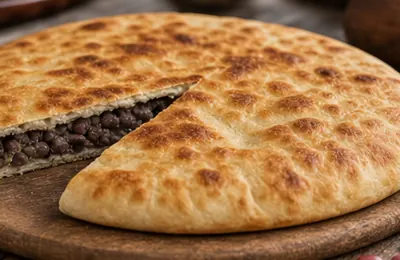 Lobiani
Bean-filled flatbread spiced with fenugreek and pickled vegetables — a popular winter dish.
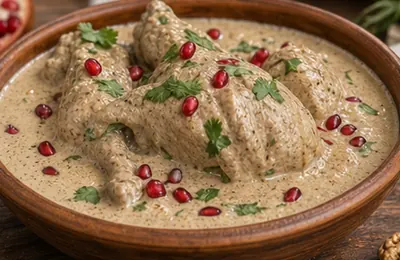 Satsivi
Cold chicken in a rich walnut and spice sauce — served at celebrations and festive tables.
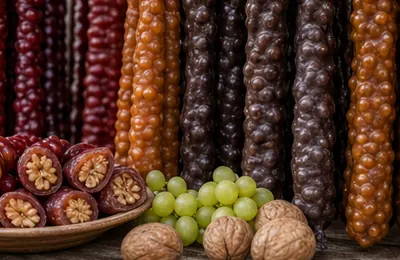 Churchkhela
Walnut-filled grape juice sausage — dried into a dense, sweet energy food sold at every market.
What to drink
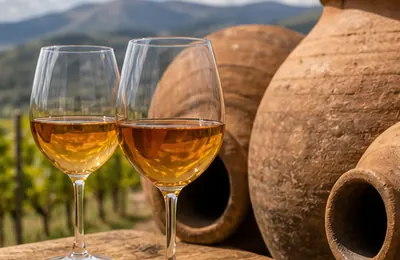 Rkatsiteli
Georgia's most widely grown white grape — used for both traditional amber wines and crisp modern whites.
 Chacha
Georgian grape pomace spirit — strong, clear and home-distilled across the country.
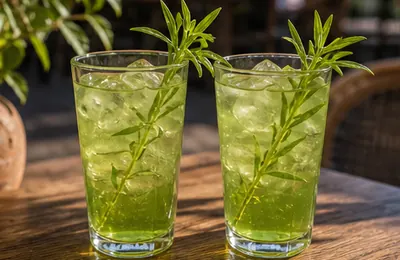 Tarragon soda
Bright green soda flavoured with tarragon — a uniquely Georgian soft drink found nowhere else.
Culture & traditions
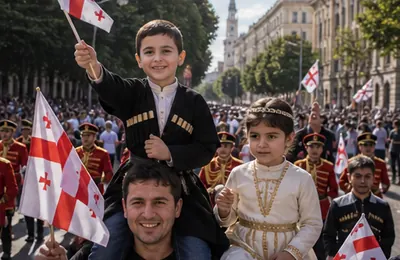 Rustaveli Avenue parade
The grand avenue in Tbilisi's centre is the stage for the Independence Day military ceremony.
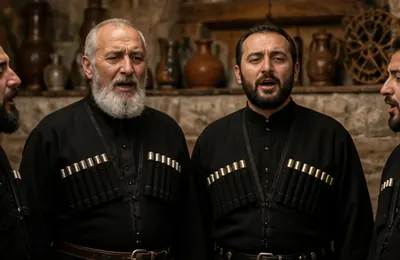 Georgian polyphony
UNESCO-listed three-part choral singing — performed at churches, celebrations and folk festivals.
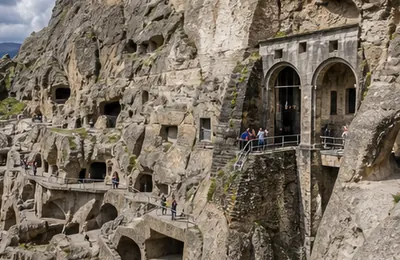 Cave monastery of Vardzia
12th-century cliff city carved into the Caucasus mountains — one of Georgia's greatest medieval monuments.
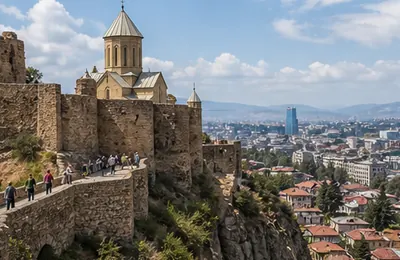 Narikala fortress
The ancient citadel overlooking Tbilisi's Old Town — lit up with fireworks on national holidays.
Coming years
Georgia Independence Day 2028
- Friday 26 May 2028Next event date
Georgia Independence Day 2029
- Saturday 26 May 2029Event date
Georgia Independence Day 2030
- Sunday 26 May 2030Event date